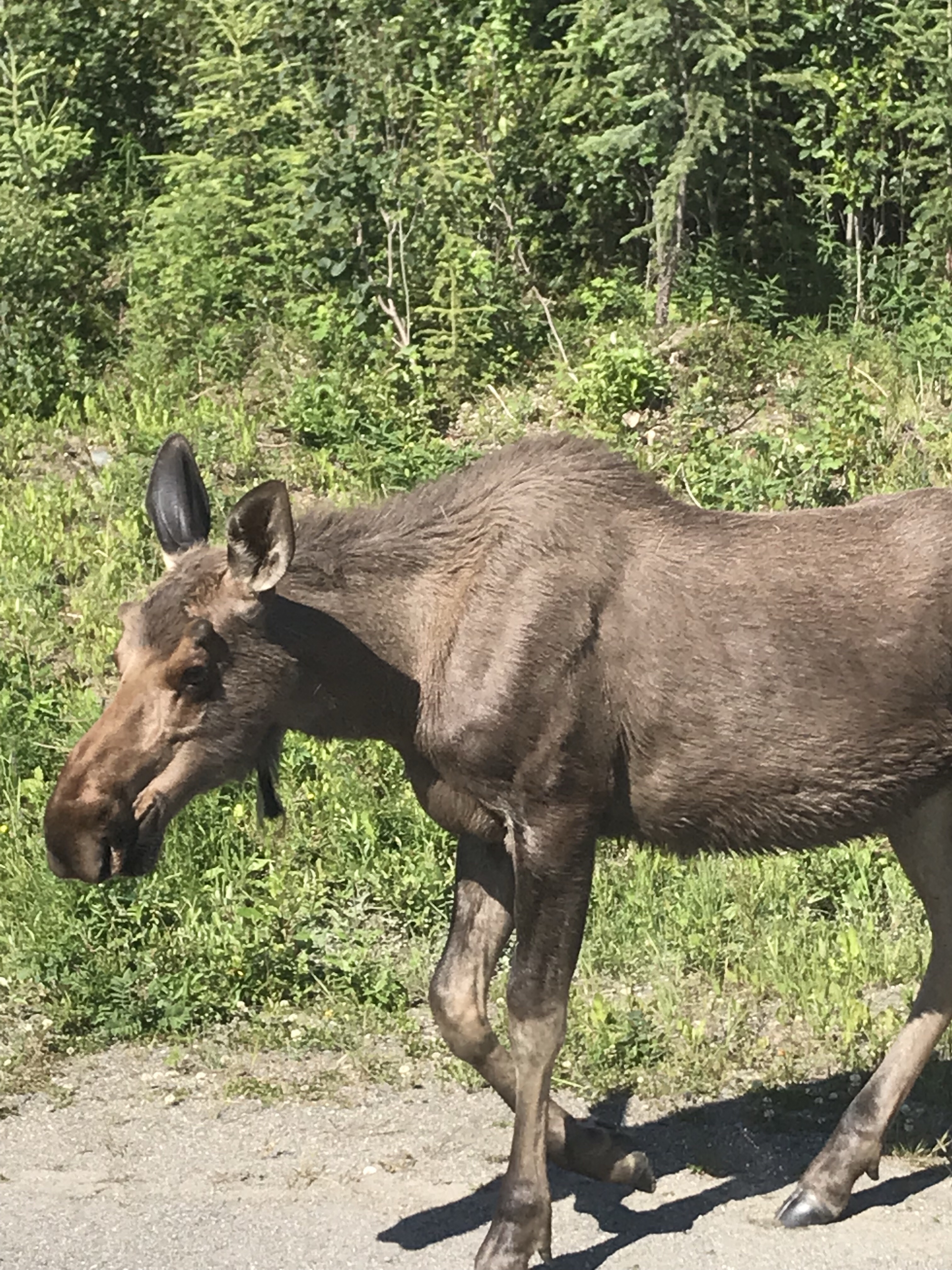
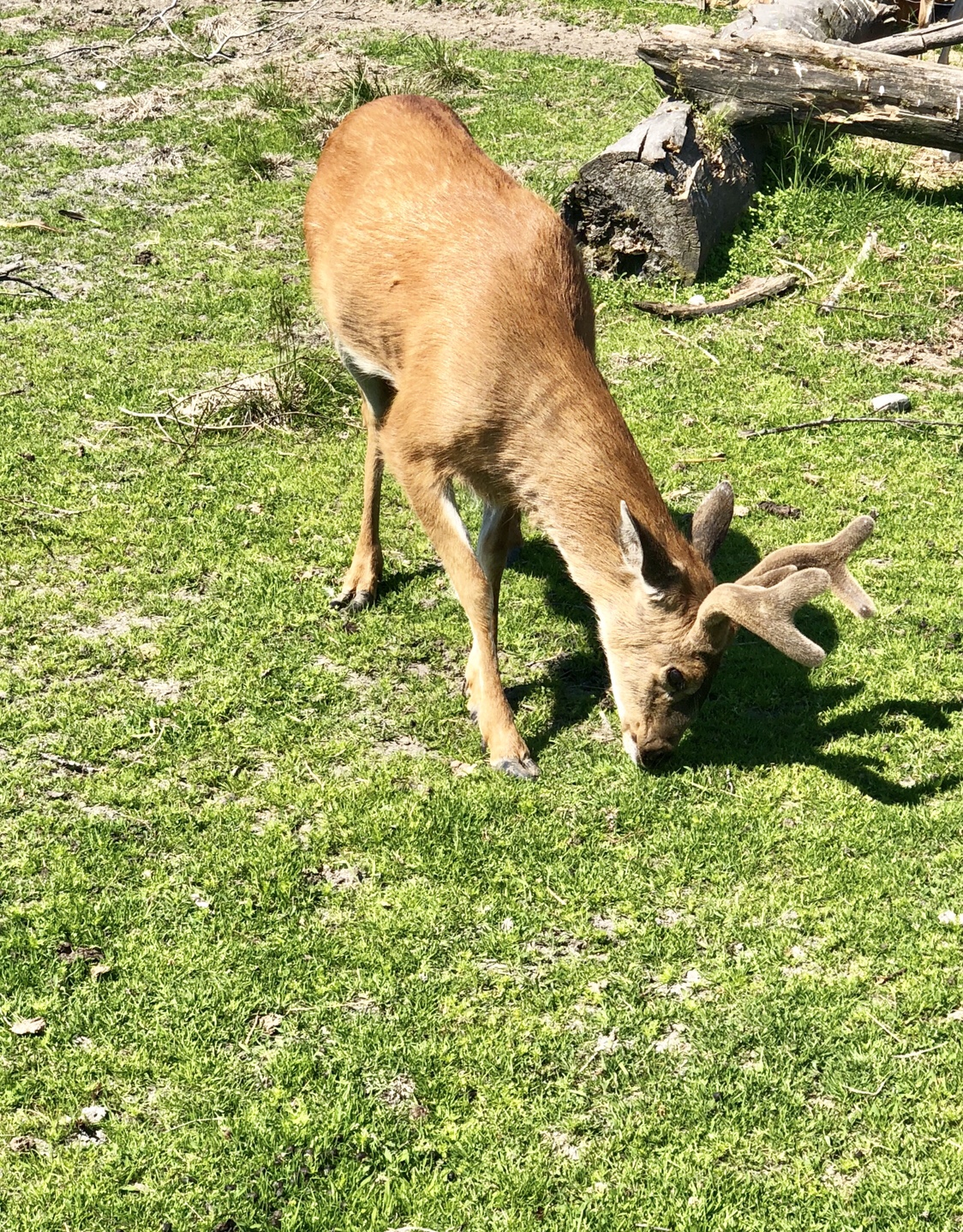
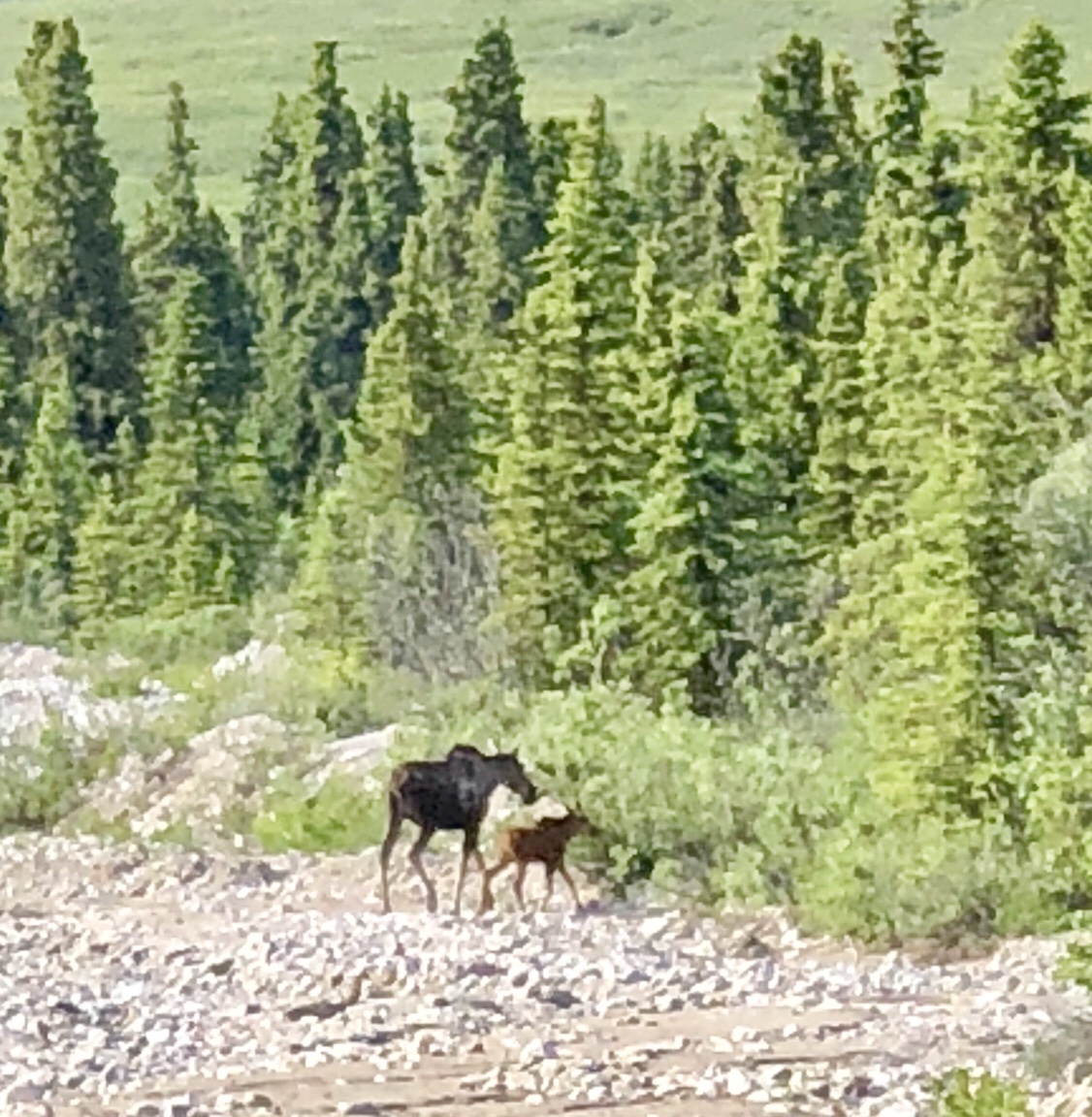
Northern Maine

We are 350 miles North and East of our farm. The drive across Northern New Hampshire just north of the Presidential Range was a treat to see, the small towns are little changed in the last 50 years. It was a slow winding route from Northern Vermont to Northern Maine, the traffic thinned as we headed North.

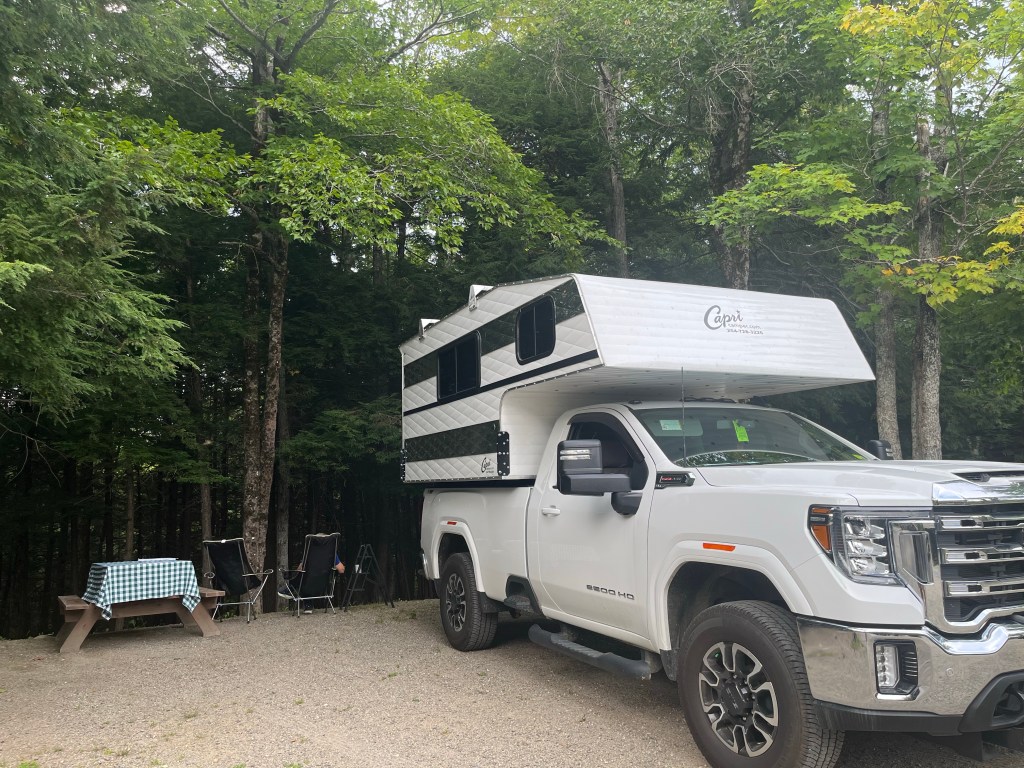
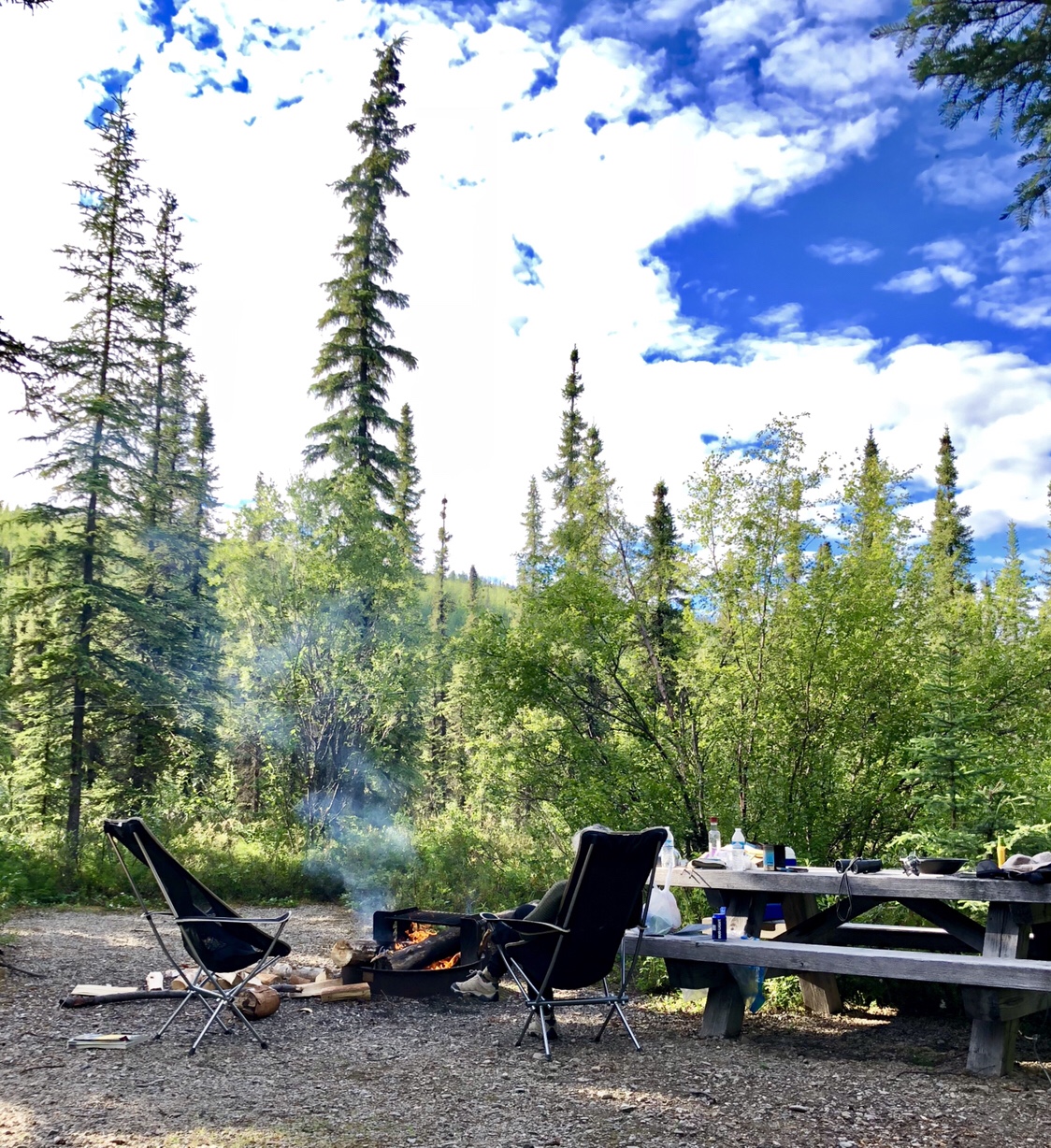
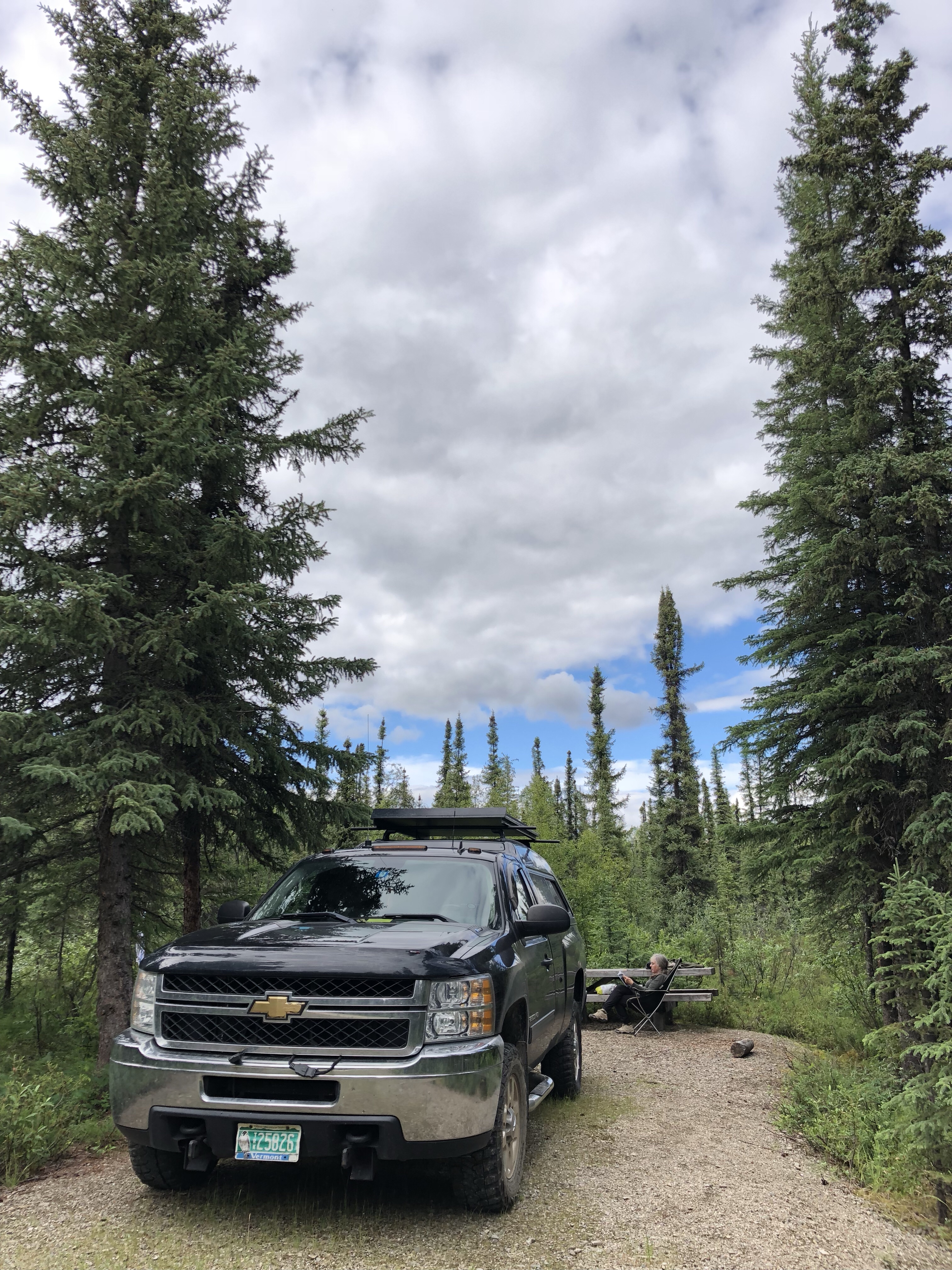
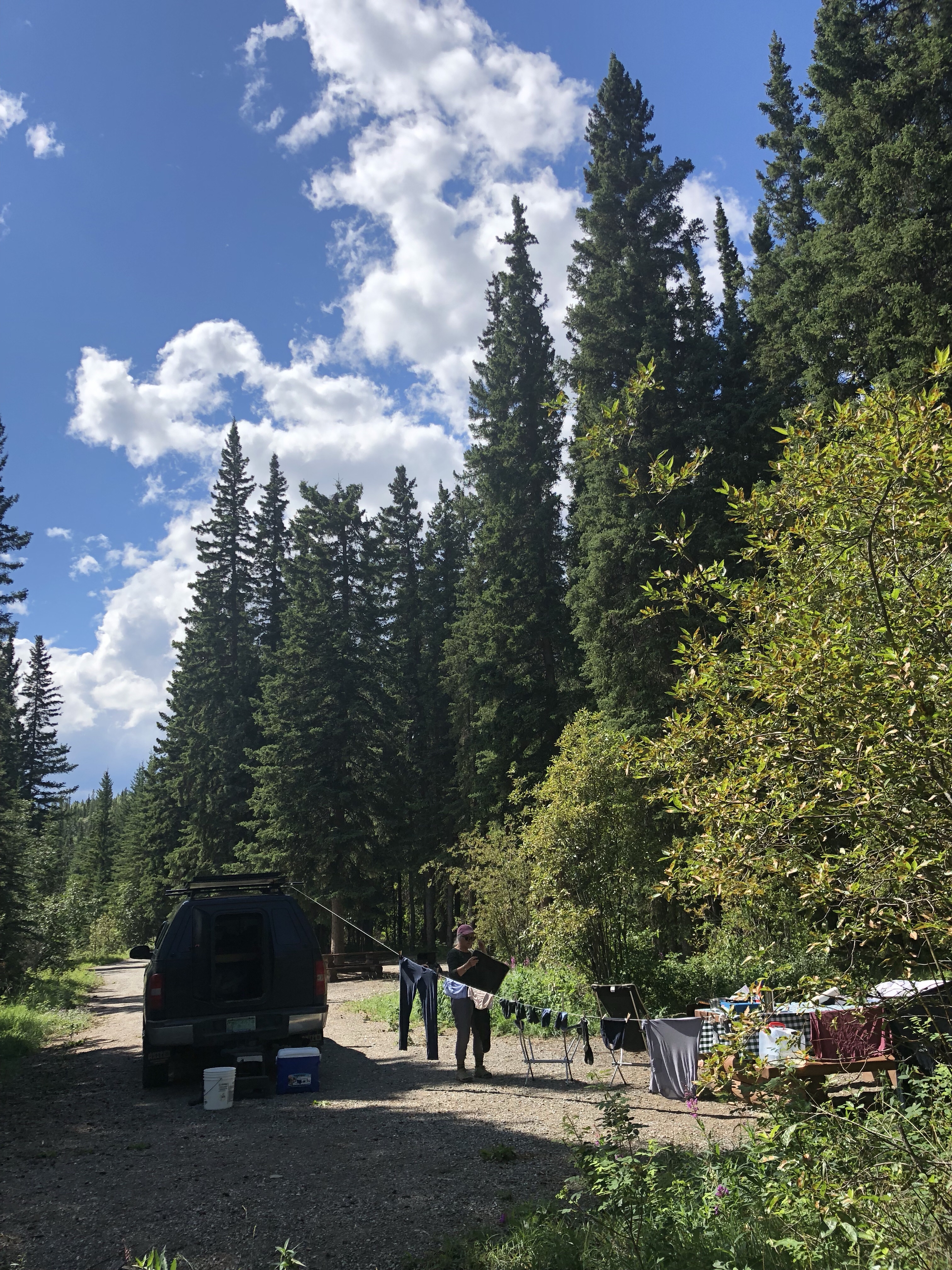
The campground we’re spending the night at is full of Rv’s with no one here. Most sites have RV’s parked in them with no one around , I assume they use them on the weekends ? We head to the Canadian border tomorrow entering New Brunswick . We plan on staying on the Bay of Fundy tomorrow night.

Our semi private site

Journeys End

It was a bit odd arriving home after 24 weeks on the road, visiting 33 states ( and 3 Canadian Provinces ) and covering over 21,000 miles. Our house looked bigger and somehow a bit unfamiliar. After living out of a pickup for almost 6 months, everything seemed huge, spacious, excessive. We had learned to live in a tiny space with few belongings, I never lost anything, I could usually find things even in the dark, by feel. Walking back into our lives at home seemed a bit overwhelming, we had so much “stuff”. Our life on the road was simple, purposeful, orderly, interesting, and almost stress free. We learned to not worry about tomorrow, next week, next month. Life developed into a smooth transition of exploring new places, meeting new people, soaking in America’s seemingly endless beauty as we wandered serendipitously across the countryside. We never knew where we would sleep at night till late in the day . Next week always seemed a distant future, who knows where we would end up. Adjusting to our new sedentary life at home is a challenge.

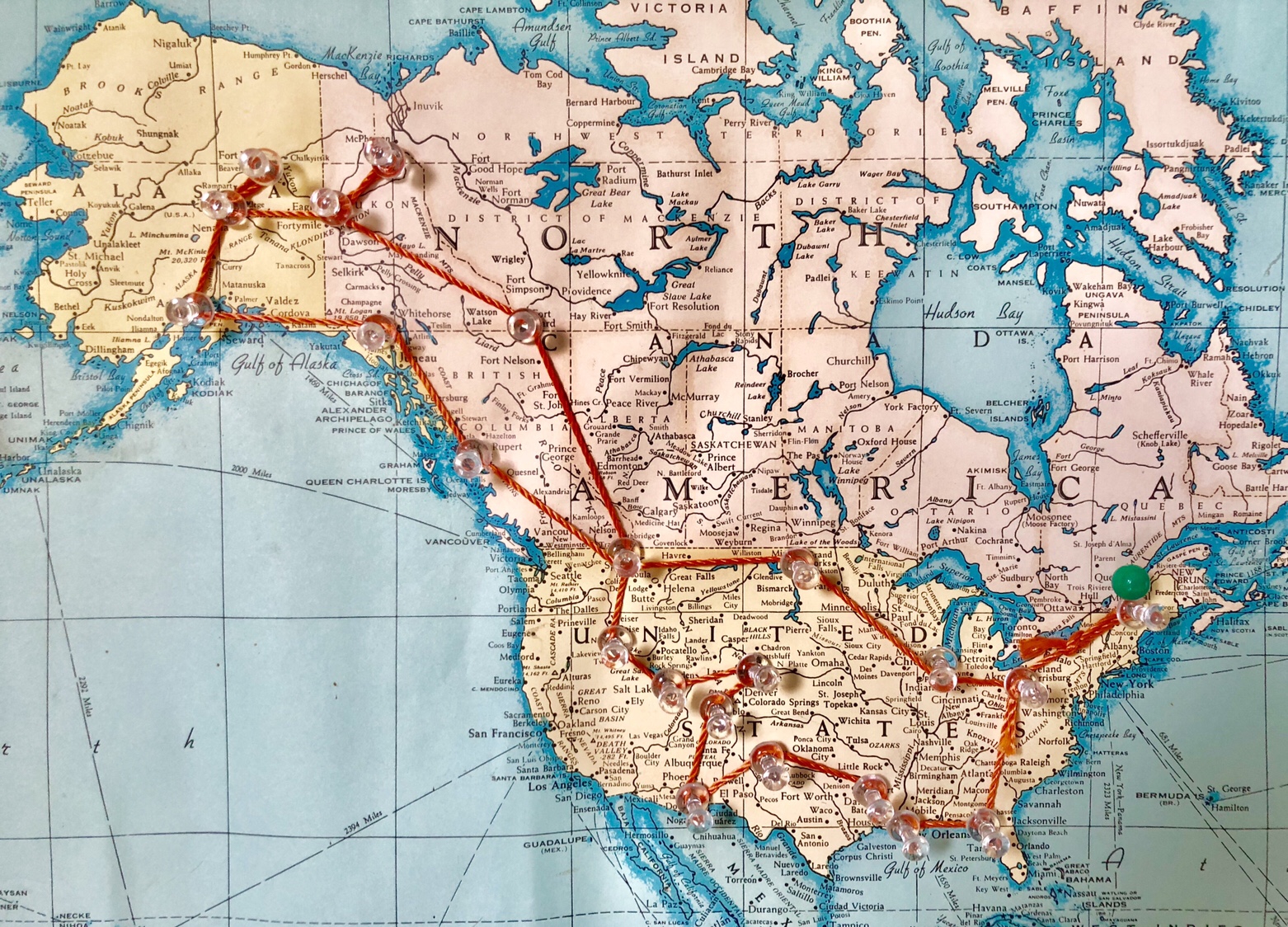
If you look at our travel map, you can see we did a giant figure eight across North America. The two “ears ” in Alaska show our trips to the Arctic Circle. Once we escaped the Eastern Urban Sprawl and entered the Appalachian Mountains on our way south, traffic thinned out, tailgating disappeared, the pace of life slowed down. As we wound our way down the Appalachian chain for over a thousand miles, into the Deep South, people were more friendly, the food got better ( and the tap water got worse ). I loved the way older Southern women working in stores called me “Hon”. I enjoyed our stay on that Kentucky farm, our visit to the beautiful Smoky Mountains, our stay in the moss draped Louisiana bayous, the lively streets of New Orleans, ( and some of the best food of our trip ).

Our springtime wandering through the Desert Southwest was a favorite, the almost botanical garden like Sonoran Desert was a special time. New Mexico was one of our favorite places too, the endless dramatic scenery and the Spanish/Native America culture was a treat to experience. As the Desert heated up, we slowly headed north up the Rockies. As far as the myth about dry desert heat goes, yes, a lack of any humidity does make it more comfortable, BUT, when the temperature gets over the 100 degrees mark, hot is hot , and we gladly turned north to escape the searing desert blast furnace baking those dry Desert states. We finally reached a cooler climate as we approached the tree covered mountains in Northern Arizona near Flagstaff, a really nice small city we enjoyed visiting.

If I had to pick a favorite place in the lower 48 states, it would have to be Utah.
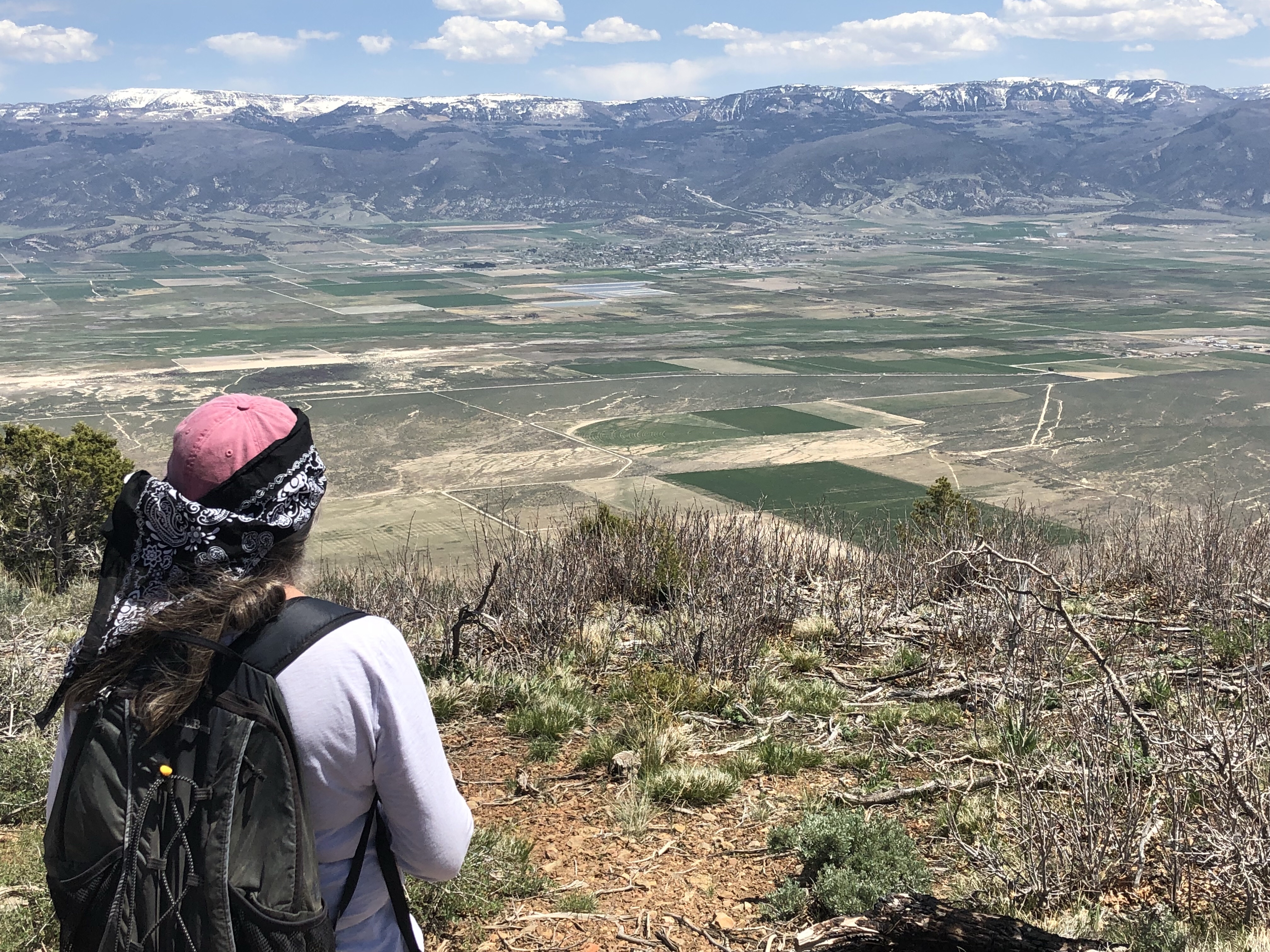
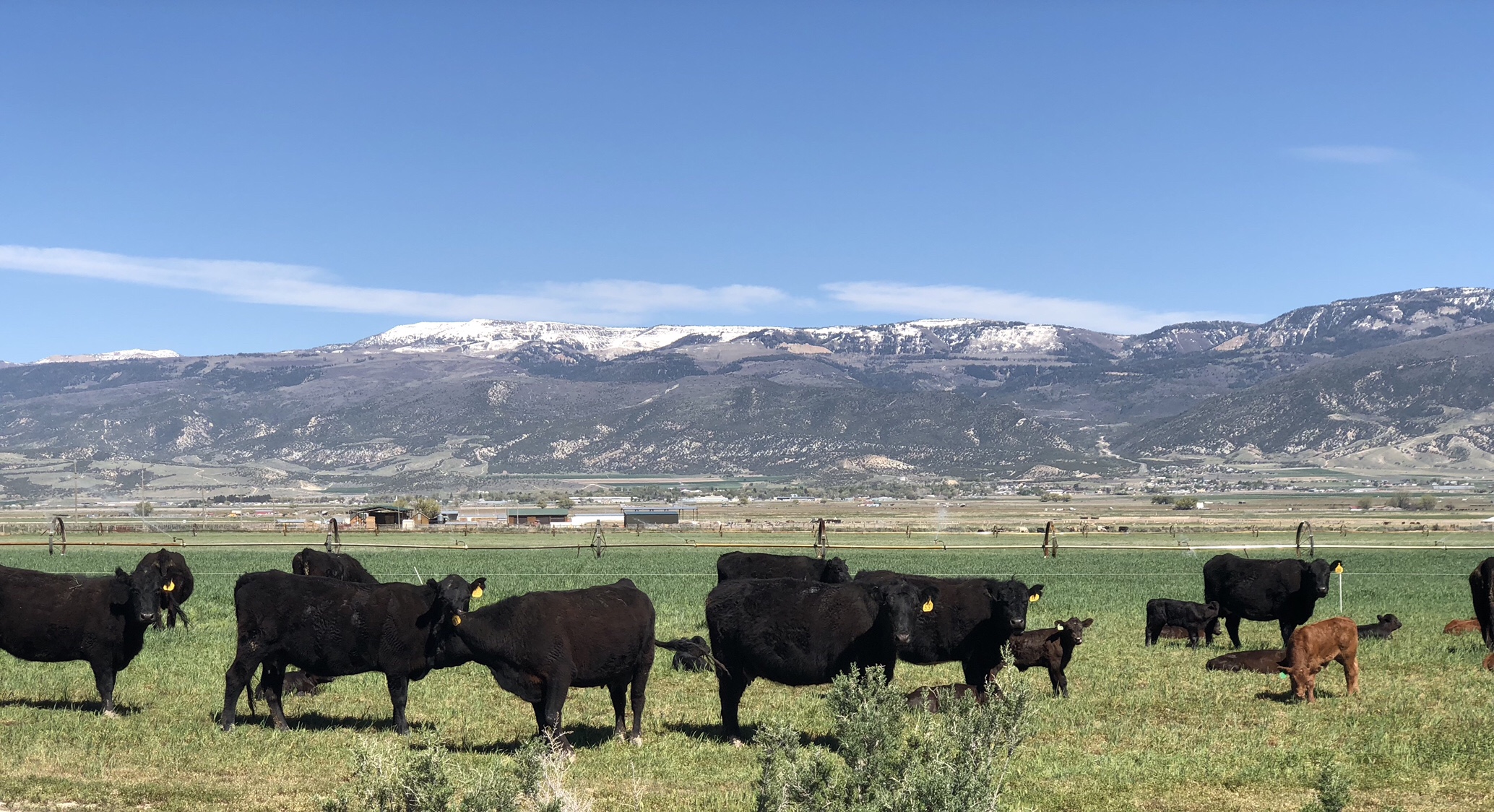
Utah has the best National parks in the country. Although some have been ruined ( loved to death) , others have few visitors and breathtaking scenery to enjoy. I loved our stay at the Larsen Ranch in Ephraim Utah. The kind, generous, soft spoken rancher , John, was a pleasure to visit, I’ll never forget his gorgeous ranch in the mile high Sanpete valley surrounded by the snow capped Wasatch Range. I learned to respect the honest, hardworking, open and friendly Mormon culture, they made us feel at home. Despite being portrayed by the media as a weird ” Cult”, we found the Later Day Saints to never be preachy or pushy, just open, friendly, and diligent workers. Our world travels have taught us to not to be judgmental of those cultures with different values and beliefs than ours.

I loved the winding drive up through the Canadian Rockies, British Columbia is probably the most scenic part of North America. Entering the Yukon, you could sense the difference, this was the true Last Frontier. With a population of only 35,000, ( including the Native people) , the hands of humans haven’t yet spoiled this wilderness paradise. Visiting the Arctic Tundra in The Yukon and Alaska was a high point on the trip.

Alaska is such a huge place, it’s hard to pinpoint a favorite place there. From the glacier wrapped coastline to the magnificent Alaskan Range crowned with Denali, Alaska was a true adventure. We traveled most of the state’s paved highway system ( and many unpaved miles too ) and hardly saw a fraction of what the state has to offer, we will return.

The trip back East to Vermont was delightful , I savored the countless beautiful farms we passed across those Northern Tier states. As the trip wound down, I reflected on the past 6 months. Although it’s going to take a while to mentally digest all we did and saw, I think I can make a few generalizations about what I experienced across Heartland America. Despite the media portrayal of “Flyover America” as ignorant, boring, bigoted, racist, xenophobic, overly religious and poverty stricken, I experienced none of the above. From the 100% black neighborhood we stayed in in New Orleans, to the small ranching communities dotting the Great Plains and the mountains to the small fishing villages in the Alaskan coast, America is prosperous and the people are optimistic. The people of the Heartland are baffled by the us coastal dwellers willingness to live amidst the chaos of Urban Sprawl with its accompanying pollution, crime, and high cost of living. No, the Rural People don’t feel culturally deprived, isolated, backwards, poor. They do feel misunderstood and sometimes maligned by the media, I often heard the “fake news” commentary, but politics was almost never mentioned. These people hold traditional values and don’t quite understand the “Progressive Movement” . I witnessed a huge cultural divide between the Heartland and the coasts but I ended the trip with a new sense of optimism for the future of America.

Thanks to all for following us on our journey, we had a wonderful trip. Join us on our next adventure .

The Great Plains

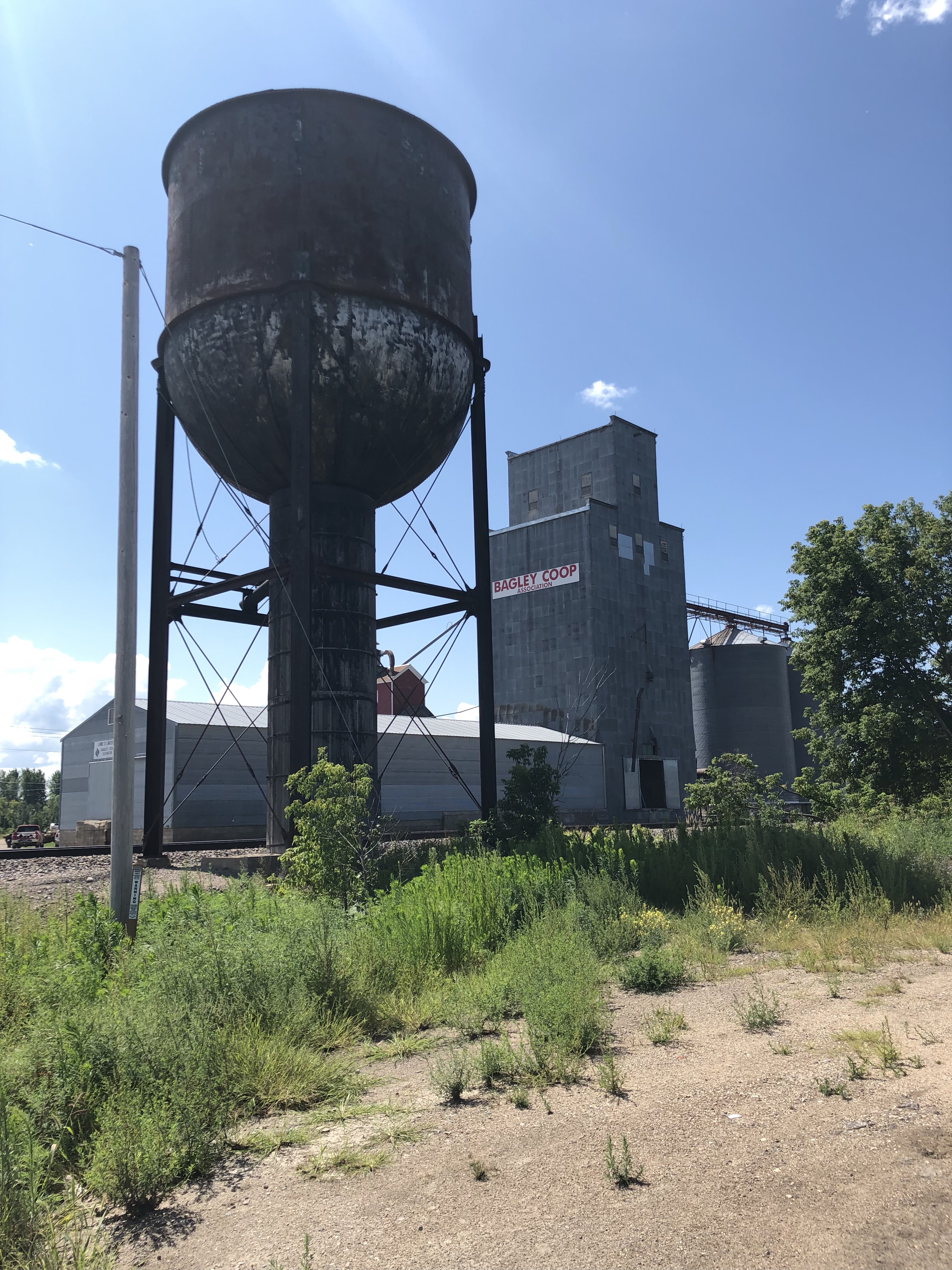
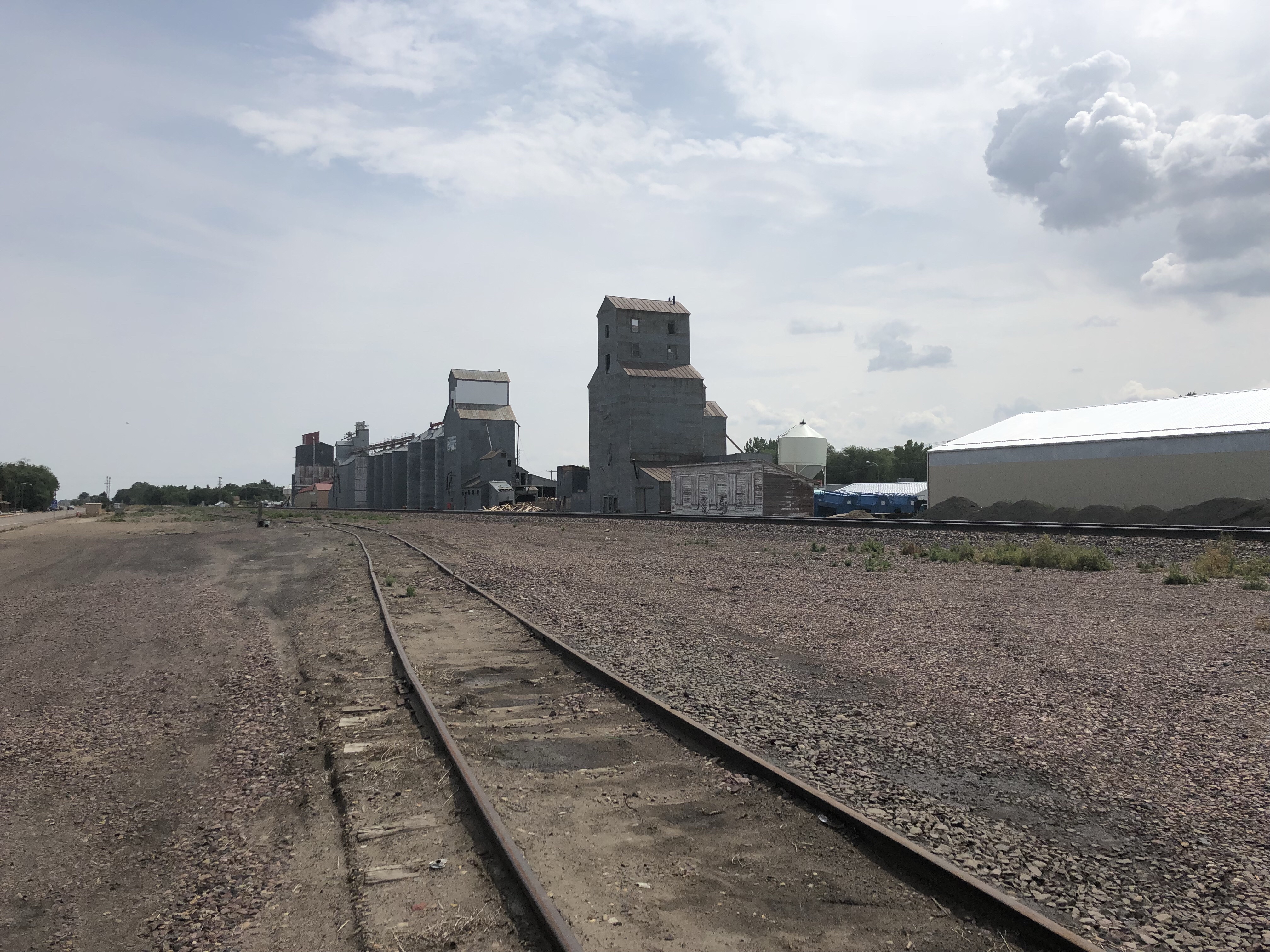
We crossed the Canadian border into the US after over 2 months up north. We entered far Western Montana after heading south through the Canadian Rockies, visiting Jasper and Banff . We were tired of the overcrowded Southern Canadian National Parks and the country’s $$5-6 a gallon gas, it felt good to be finally back in the lower “48”. After months in the scenic North, we couldn’t face Interstate driving, so decided to head East on Route 2, a quiet state road than runs just south (50 miles ) of the Canadian border. We followed this lightly traveled road east for over a thousand miles passing through pretty small towns and beautiful productive farm land. The endless vast fields of ripening wheat and soybeans were a visual treat, they stretched to the horizon in all directions. The small towns had main streets unchanged for a hundred years, grain silos dotted the country side.

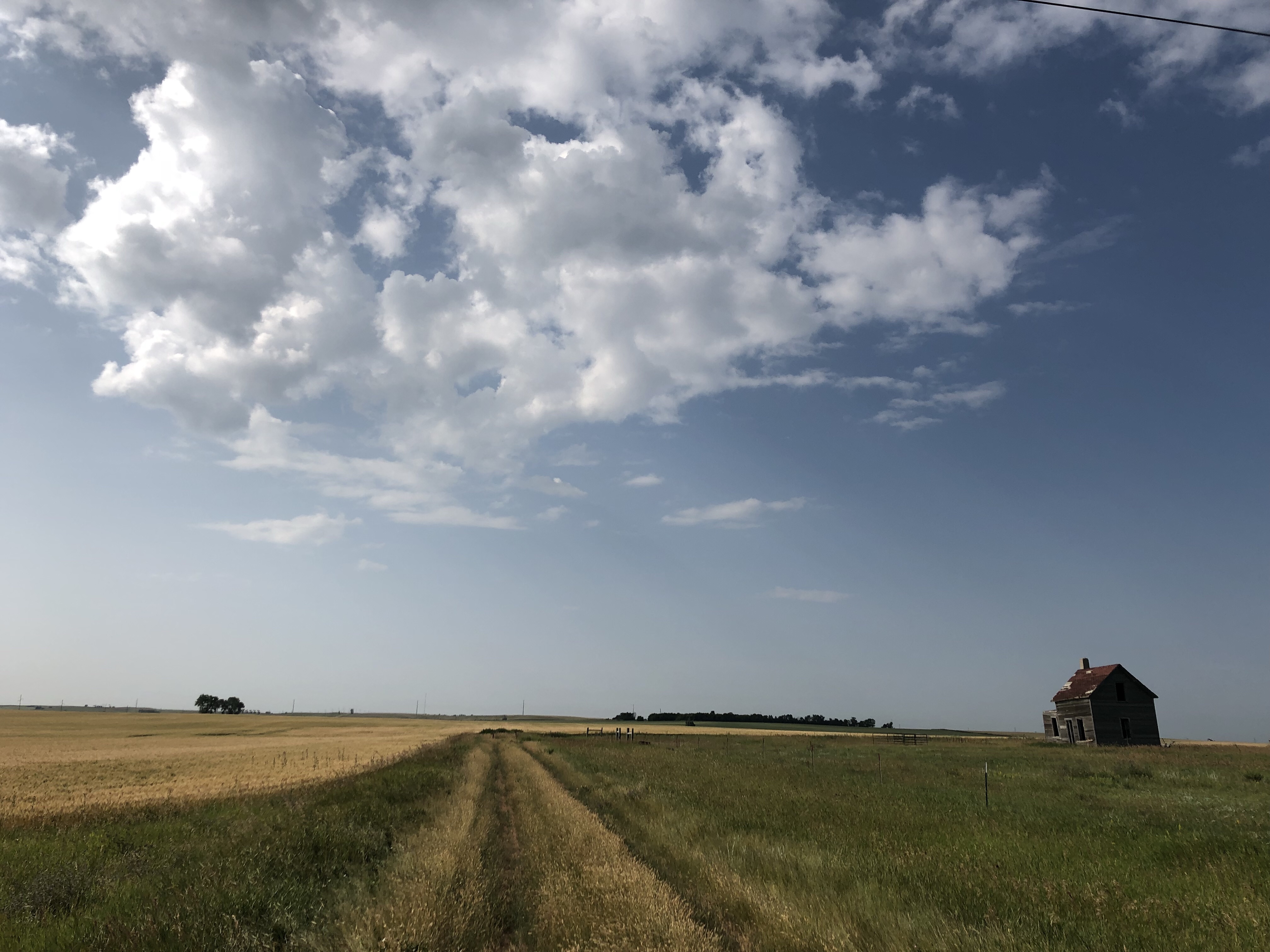
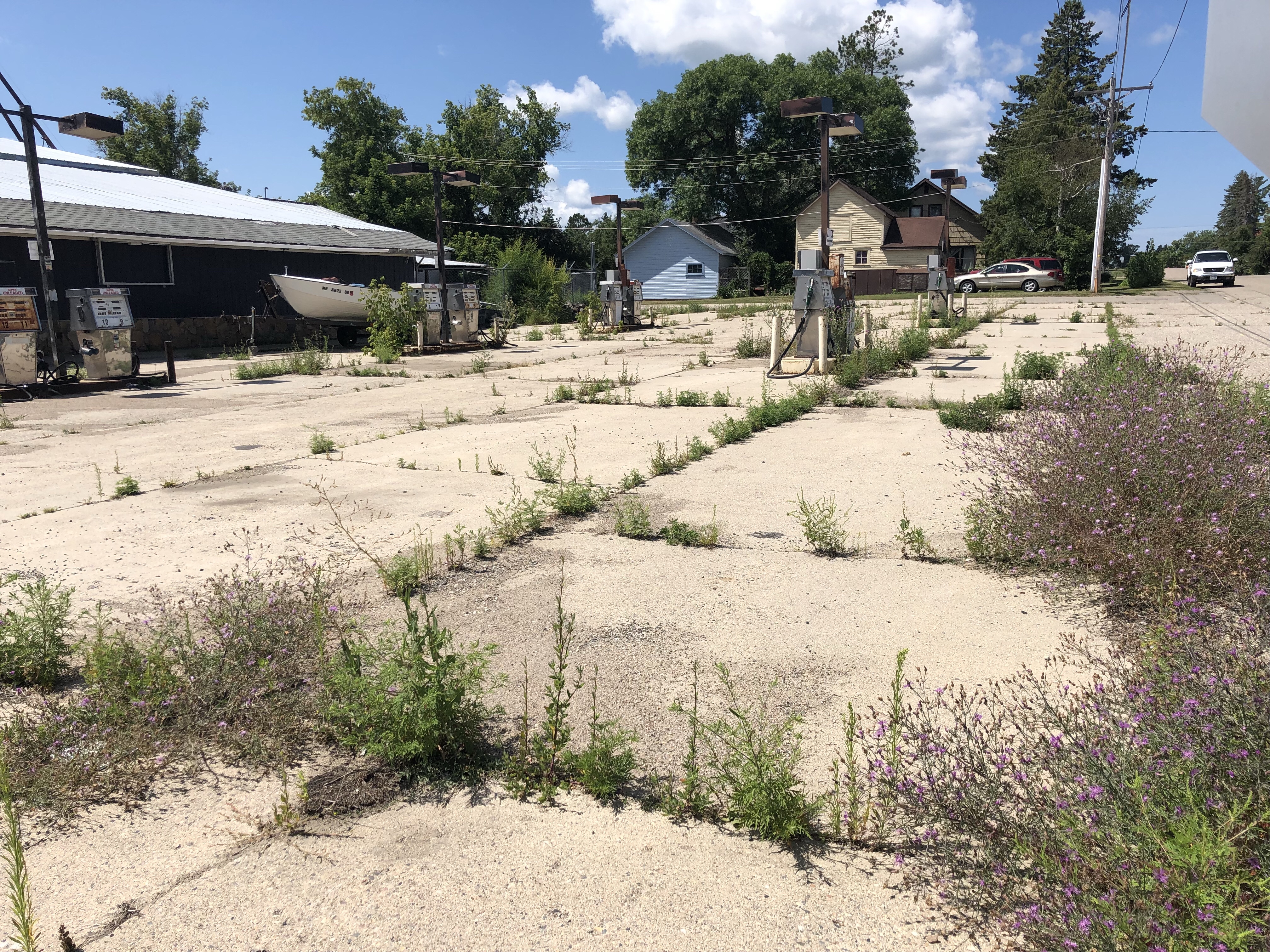
This part of the Great Plains has been loosing population since the Great Depression. Small, inefficient family farms failed by the thousands and have since been combined with more prosperous farms nearby. Empty, abandoned farm houses dot the landscape, surrounded by wheat and soybeans now growing in the silent fields. The remaining farms appear productive and prosperous, there are no junk cars in yards, no rusted equipment, this part of the farm belt is doing well. There are towns that have clearly contracted with the consolidation of the smaller farms, abandoned gas stations and empty stores are not uncommon.

As we entered North Dakota, the oil rigs appeared and the “black gold” is clearly pumping wealth into this remote state. The wheat fields are dotted with the slowly pumping derricks. The towns are busy and prosperous, the energy boom is here and North Dakota is doing very well. I was told the lack of workers is their biggest problem. The boom and bust cycle burned a lot of people who migrated here 15 years ago. Many left when prices collapsed in 2008 and the State is having a hard time luring back them back. Minot ND is a sparkling , modern small city sitting in the vast Northern Plains. It’s filled with new car dealers, the chain stores you see in America’s prosperous south and east, nice restaurants etc. Help wanted signs are everywhere.
We stated to see the first signs of the great Eastern forests as we approached Minnesota. Small patches of trees started to dot the plains, the first forests we’d seen in a 1000 miles. I couldn’t help but smile as I heard the North Dakotan accents, they always remind me of the movie ” Fargo”.

Northern Minnesota is largely empty of population centers, the land dotted with countless lakes, most void of cabins etc. We crossed two large Indian reservations , and yes, even here, we saw the inevitable Casinos. We stopped in one tiny town and purchased some local wild rice, a delicious treat to bring back to Vermont.

Our rural cross country drive was nearing an end. After studying maps, I realized there was no way to avoid driving through huge cities , toll roads, and industrial sprawl on our way home. The following 3 days would bring us through downtown Chicago and into the “Eastern Urban Sprawl ” that seemed to go on forever. The massive amount of cars and trucks with aggressive drivers weaving in and out was a sobering welcome ” back east “. We already were missing the far North but were anxious to get back to our Vermont farm and our family.

As we neared home, I realized we had driven over 21,500 miles on our long wander across North America. We’d visited 33 states and 3 Canadian Provinces . The bustling East appeared crowded and flat, we had come accustomed to big skies and empty space. It is clearly going to take awhile to readjust to a our previous lifestyle.

British Columbia

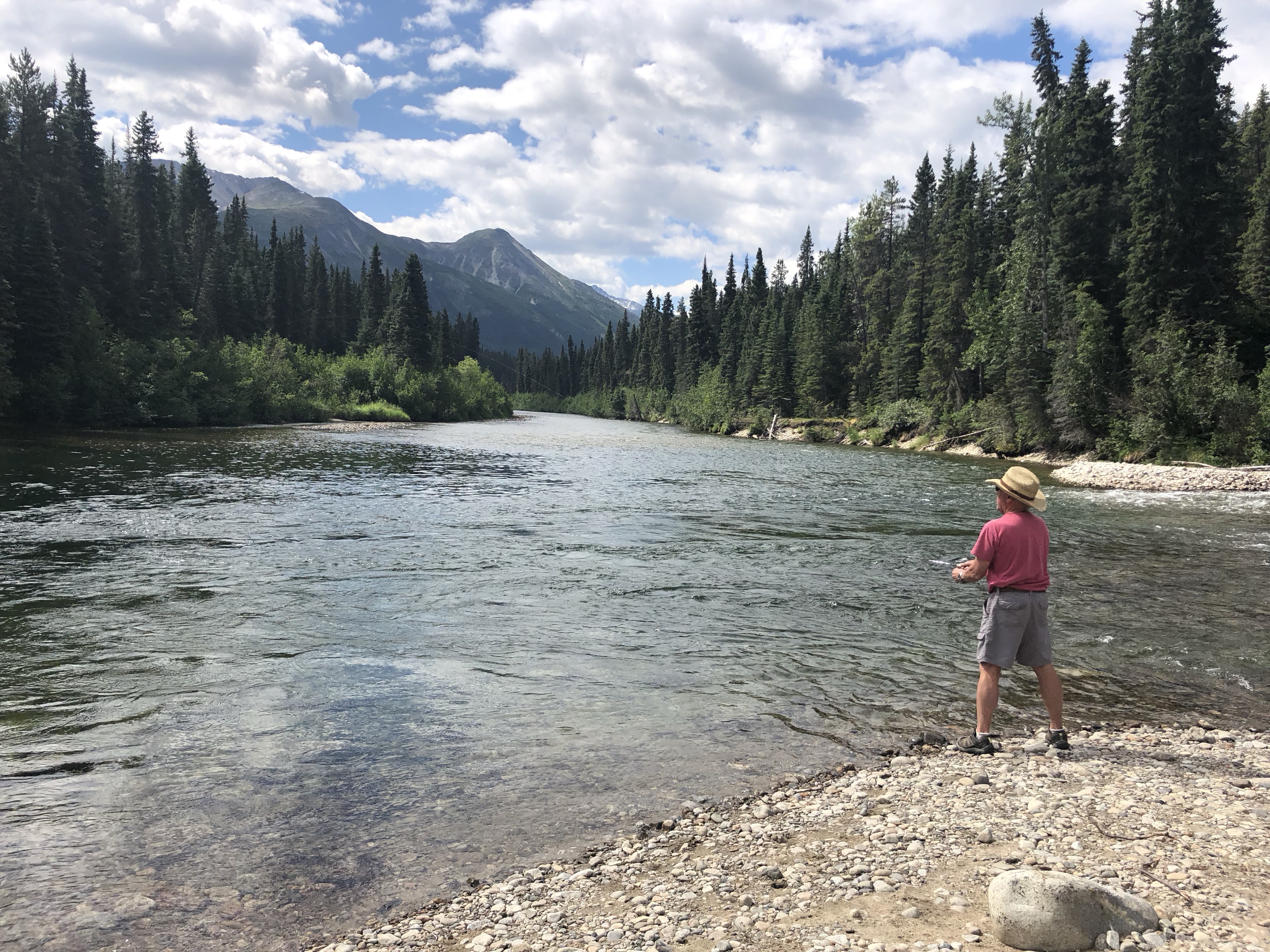
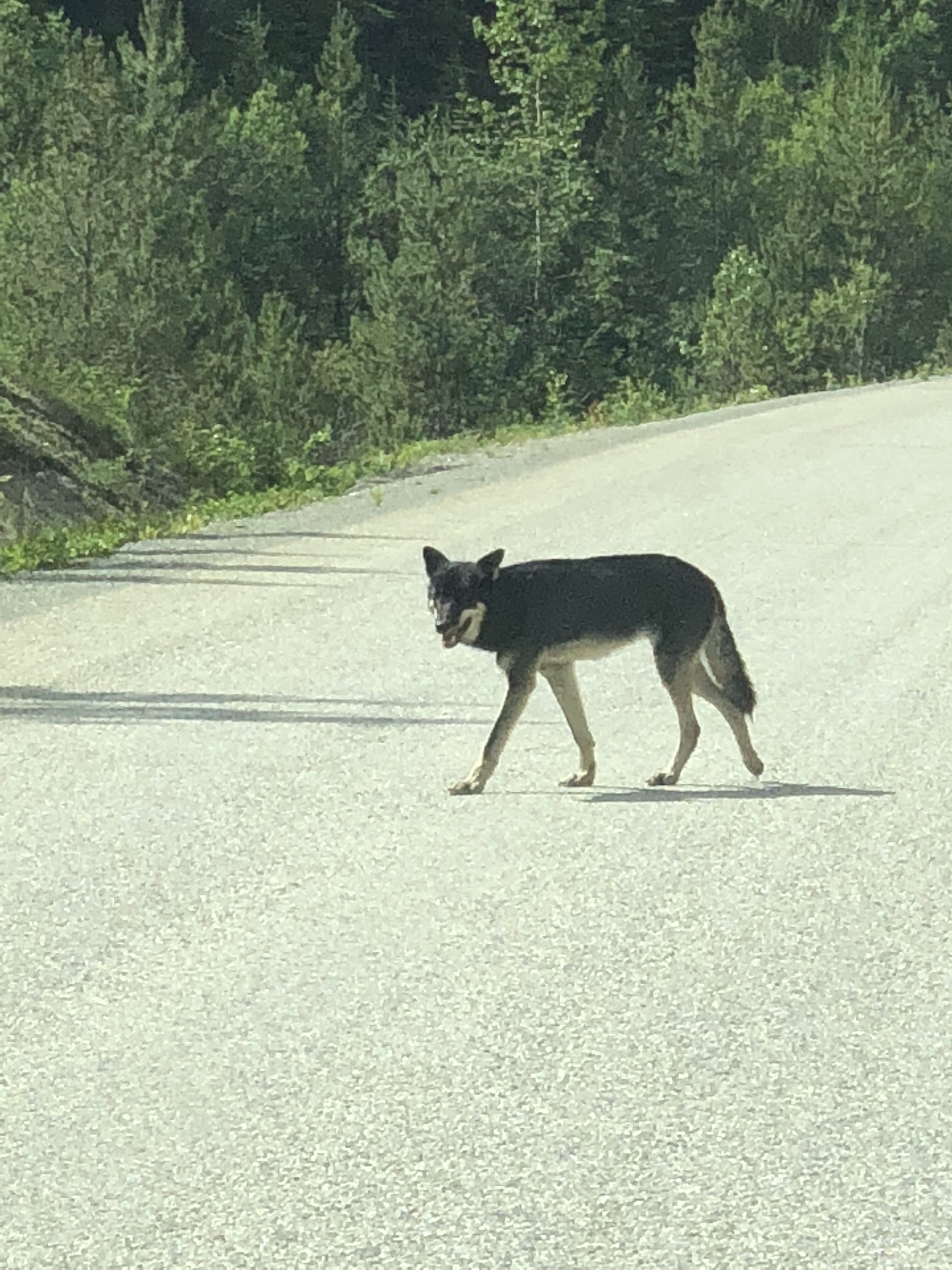
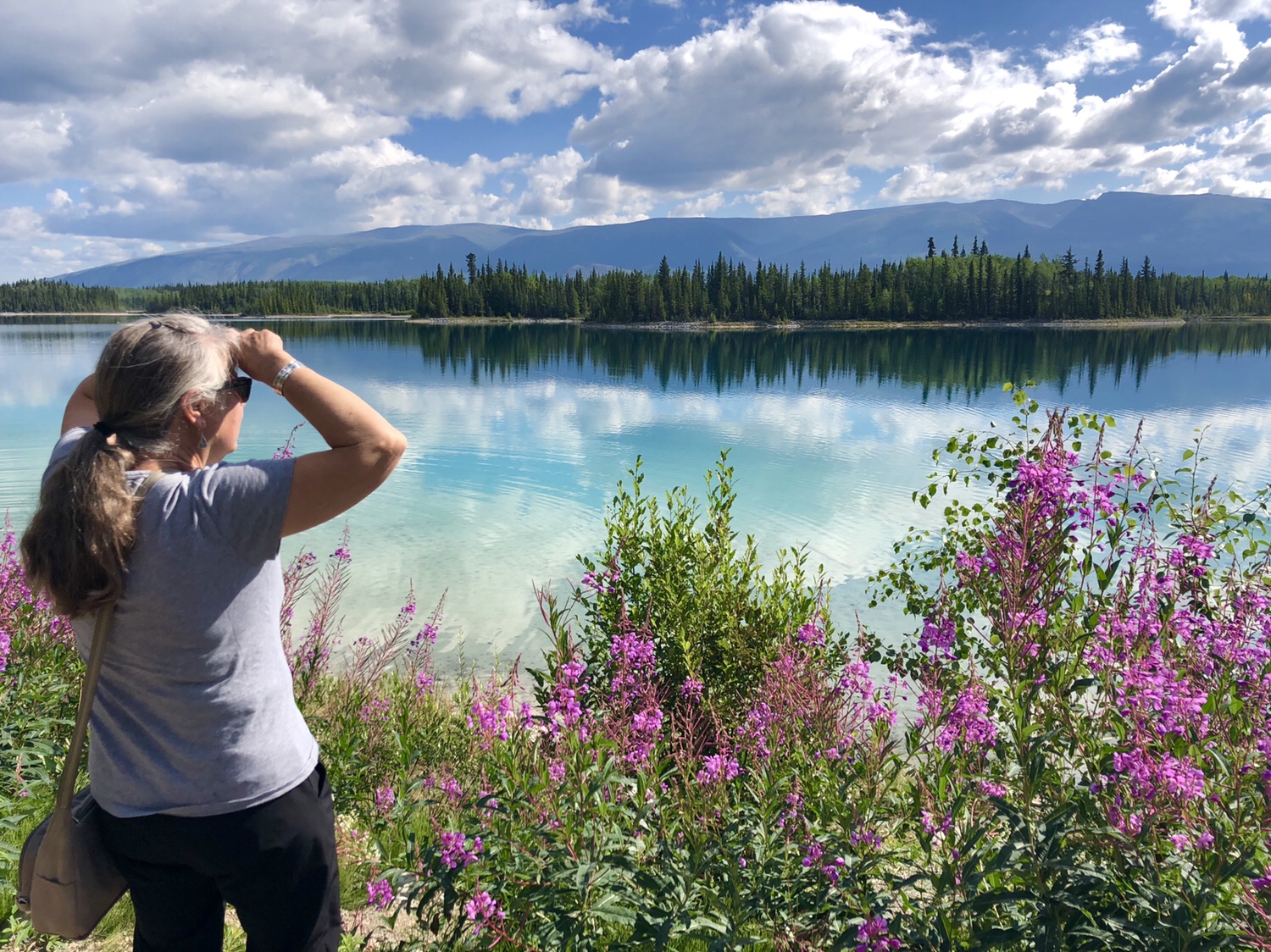
After departing Alaska, we ambled down through the Yukon heading towards the coastal mountain range in British Columbia. We were taking the Cassiar Highway along the eastern side of this lofty range, traversing some of the most beautiful scenery we’ve seen in North America. The wilderness road is almost 500 miles long, often running along crystal clear emerald green rivers teeming with Arctic Grayling . The high plateau was dotted with stunning , aqua marine blue lakes with sand bottoms. Wildlife was everywhere, at one point we spotted an animal trotting down the center of the road heading towards us. There was zero traffic. I stopped the truck and turned the engine off. I grabbed my binoculars and was treated with the sight of a wolf approaching us. She stopped about 100 yards from us and eyed us, I told Karen not to move and be silent. The wolf decided we weren’t a threat and continued toward us. The young female looked skinny and stressed as she silently walk by us ten feet away. Wow !

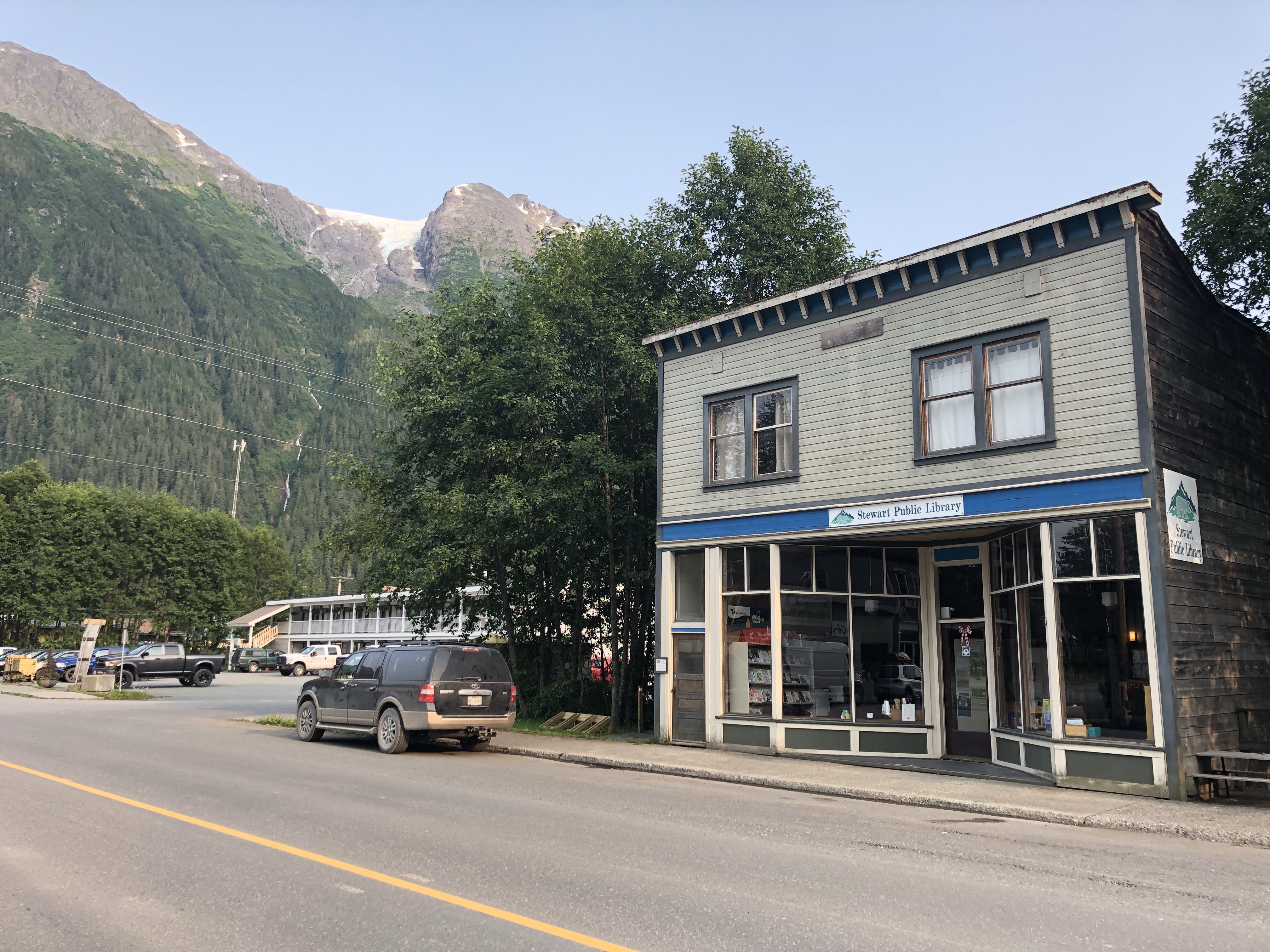
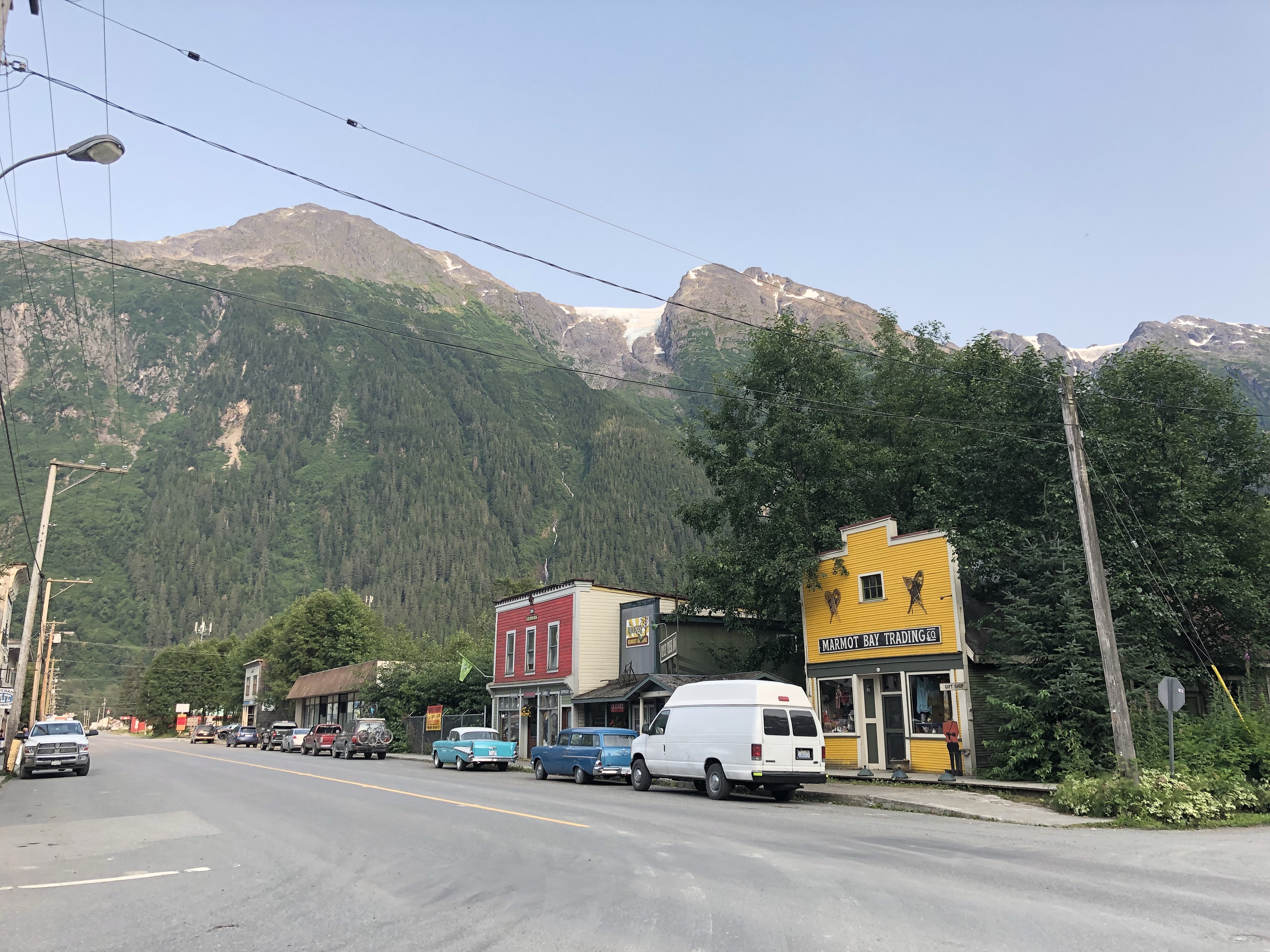
We took a side trip halfway down the Cassiar , heading through the towering coastal range to Stewart, British Columbia on the coast. This tiny town is the furthest north ice free port on Canada’s west coast. This delightful town has nicely restored buildings along its picturesque Main Street, we had a fish dinner there.

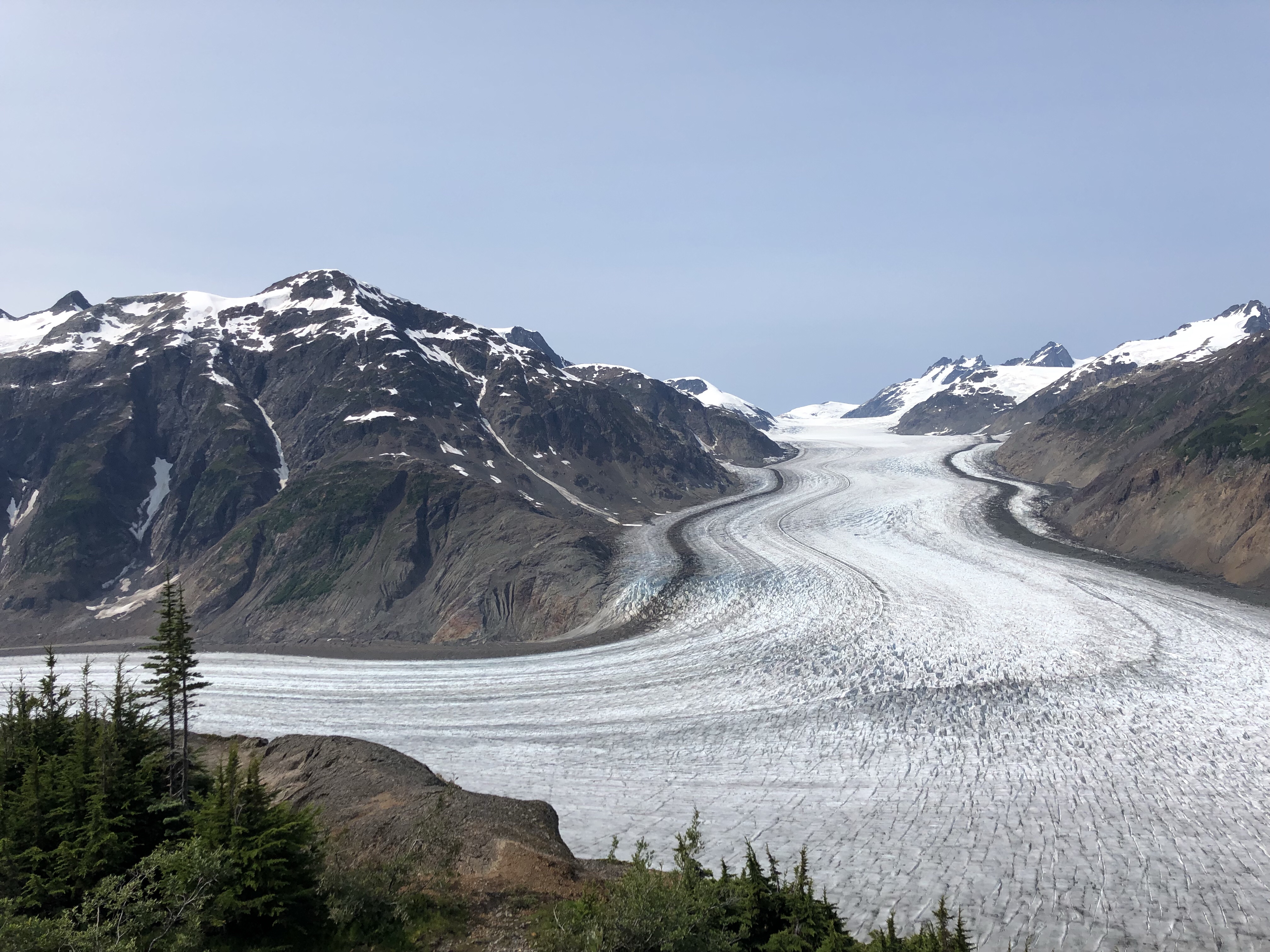
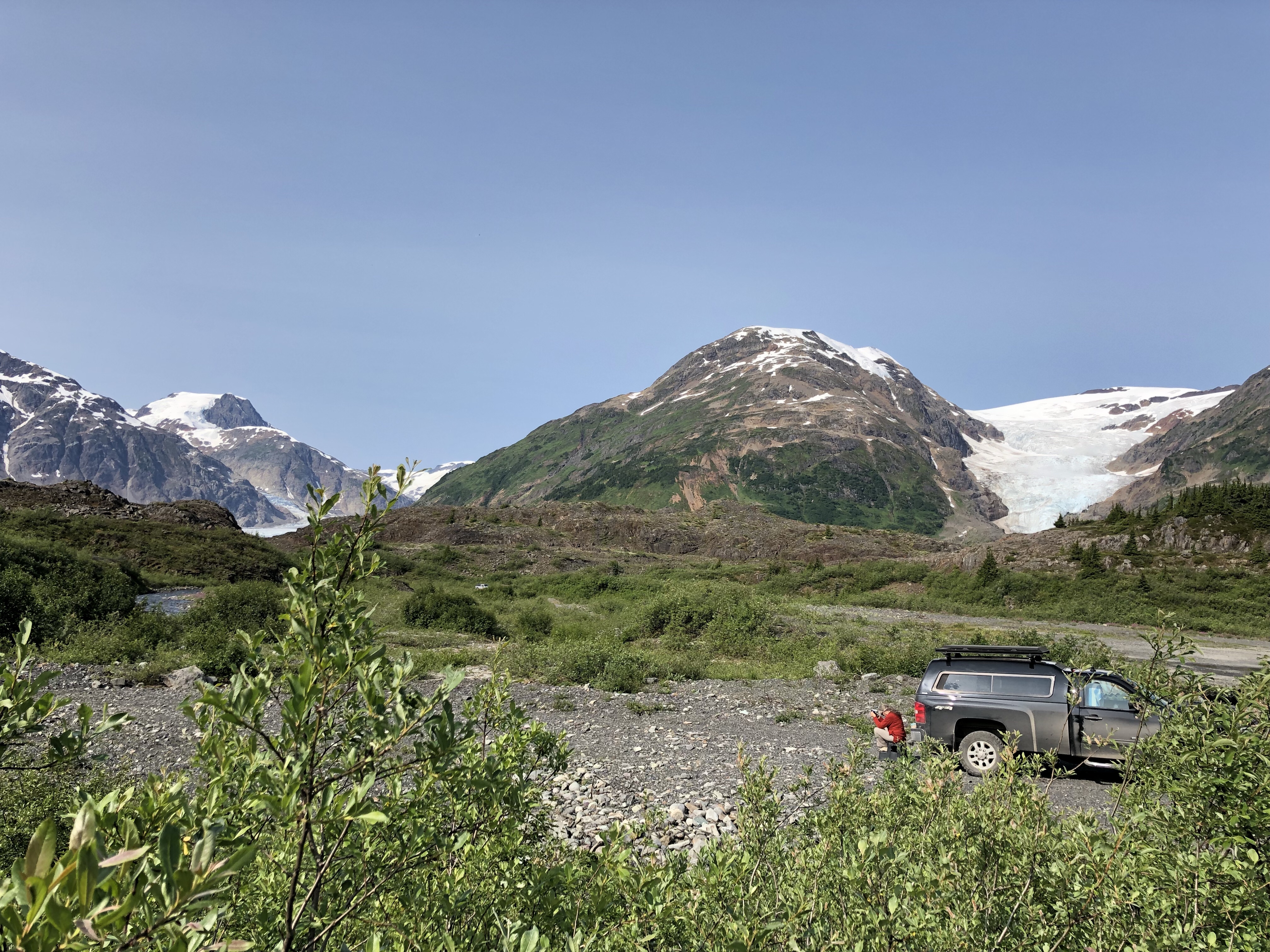
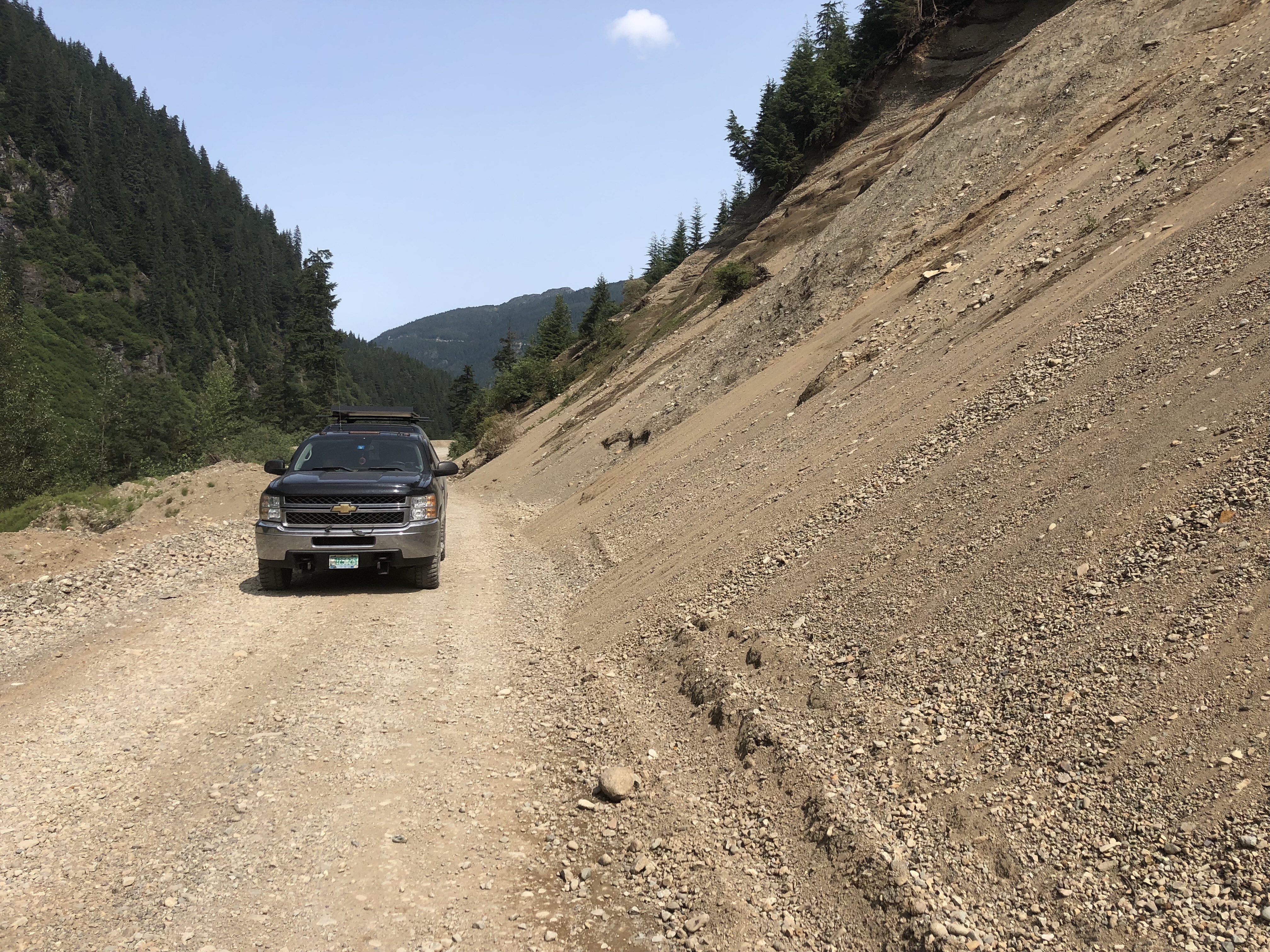
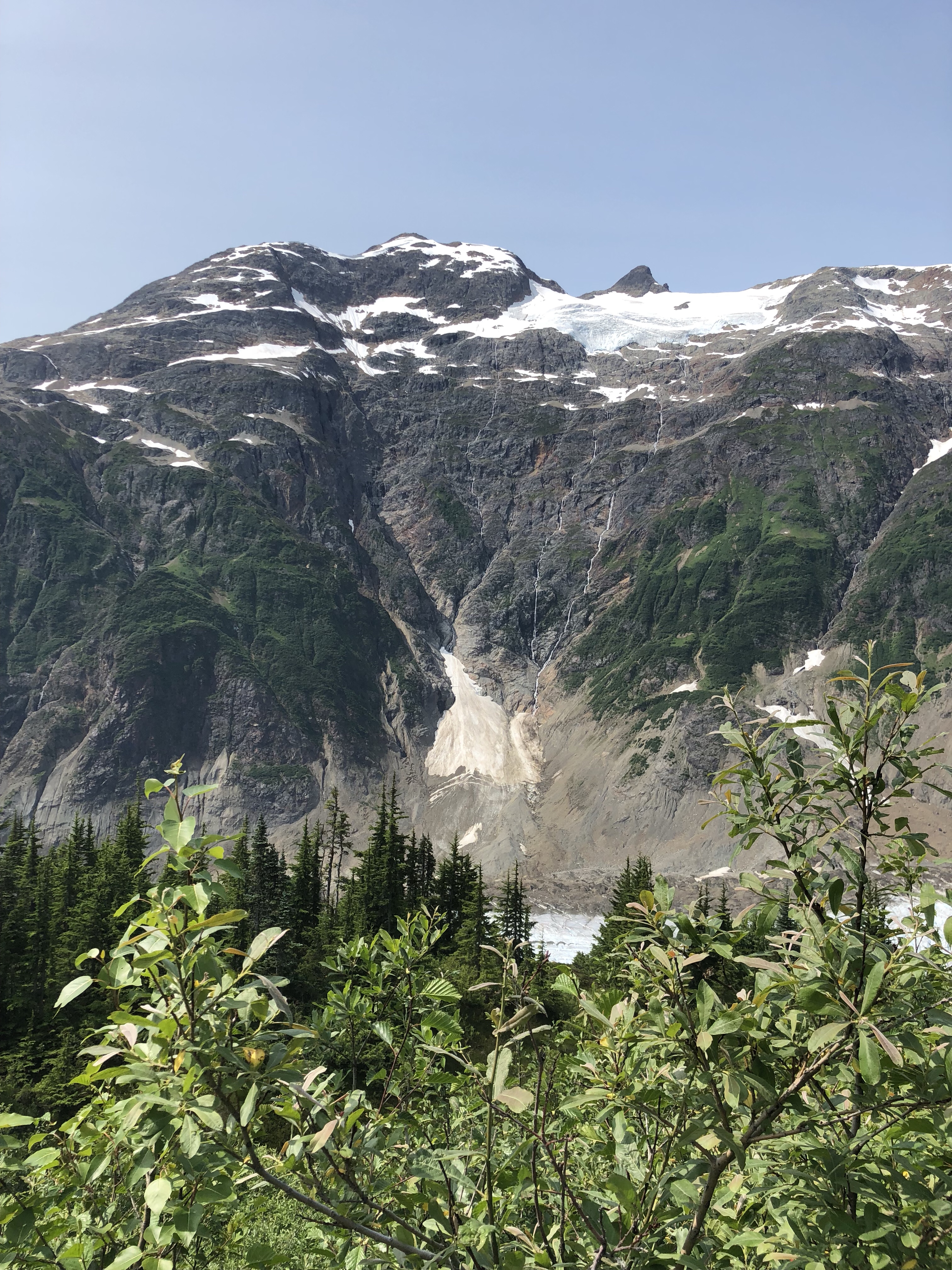
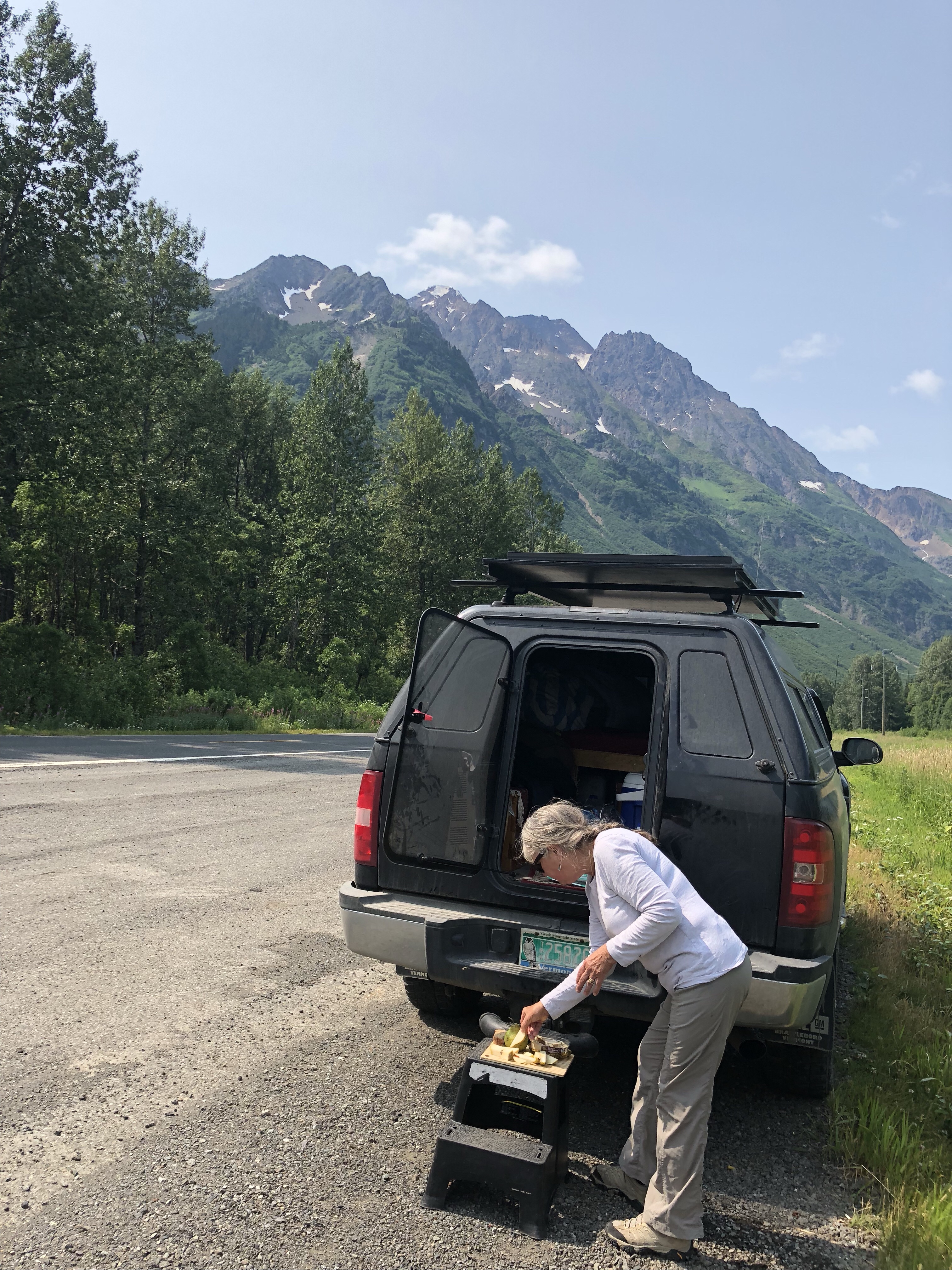
While camping in town, we spent a day driving a brutal 25 miles ( rough gravel road) into the mountains to visit Salmon River glacier, one of the most spectacular sights of our whole trip, it was worth the bumpy ride. We entered the landlocked tip of Alaska ( Alaskan Panhandle) to reach the glacier, and yes ,we had to go through Customs. We had a great day hiking and picnicking. We stopped by an abandoned gold mine, Karen went in it !

Bears

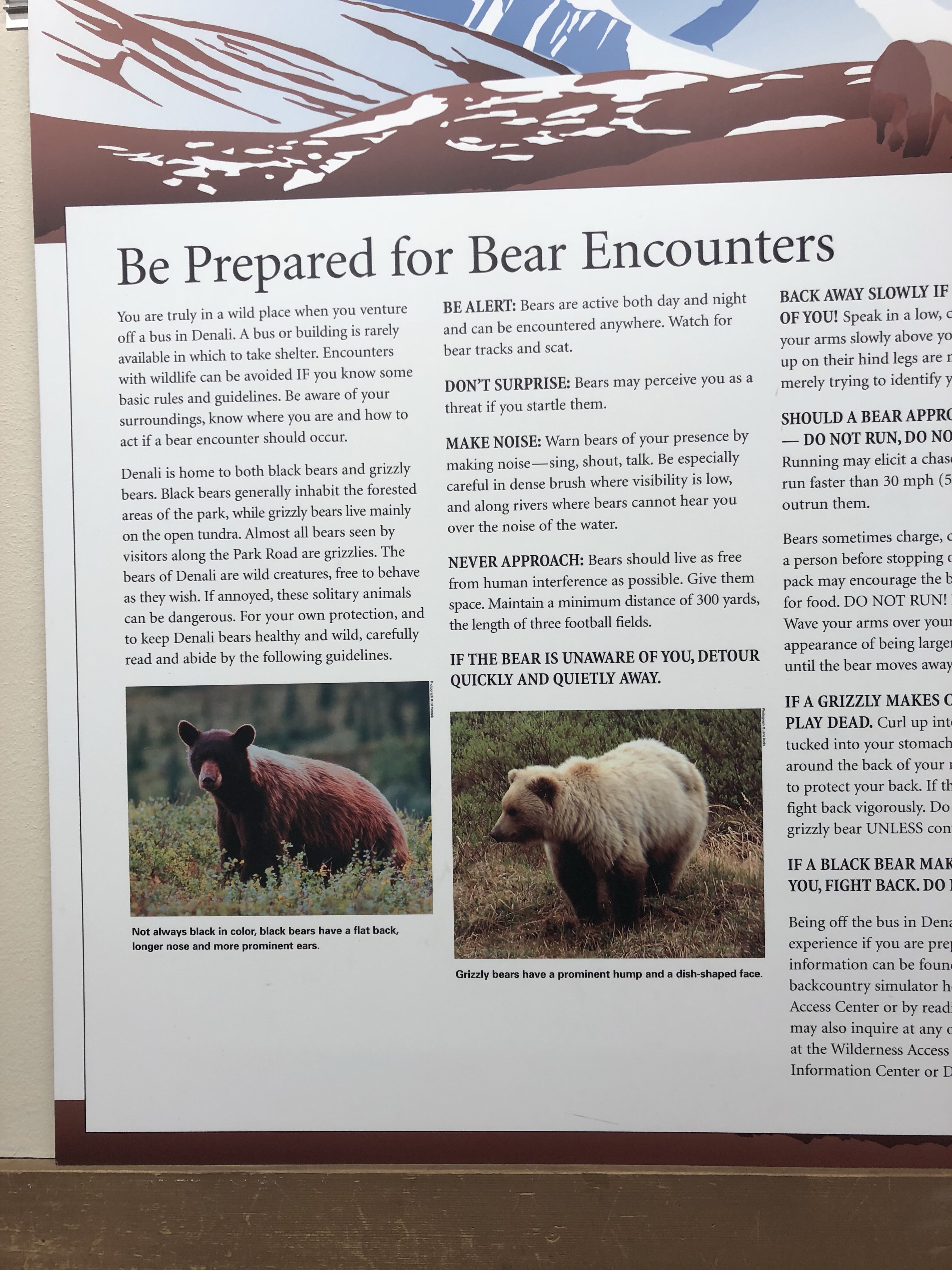
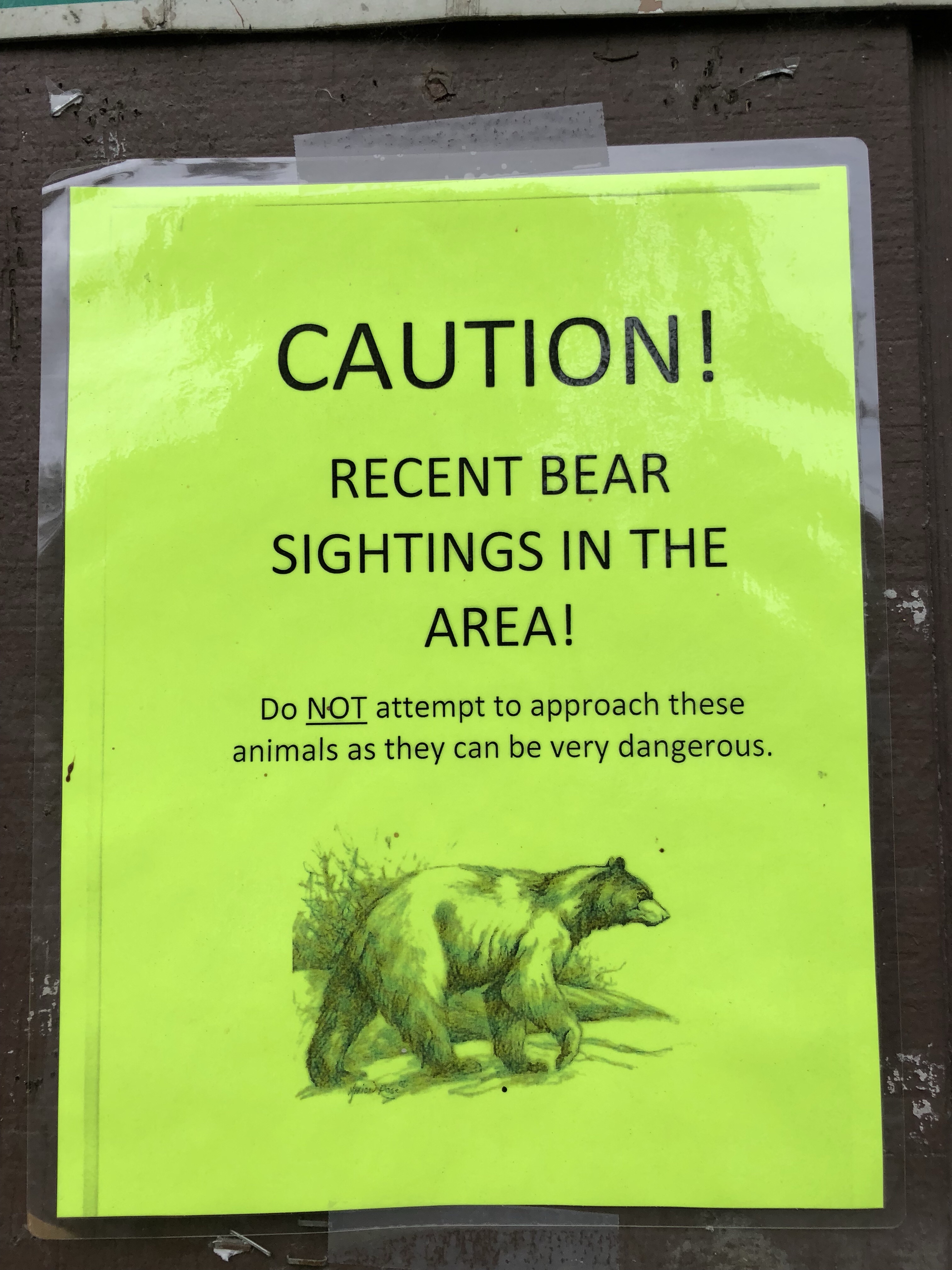
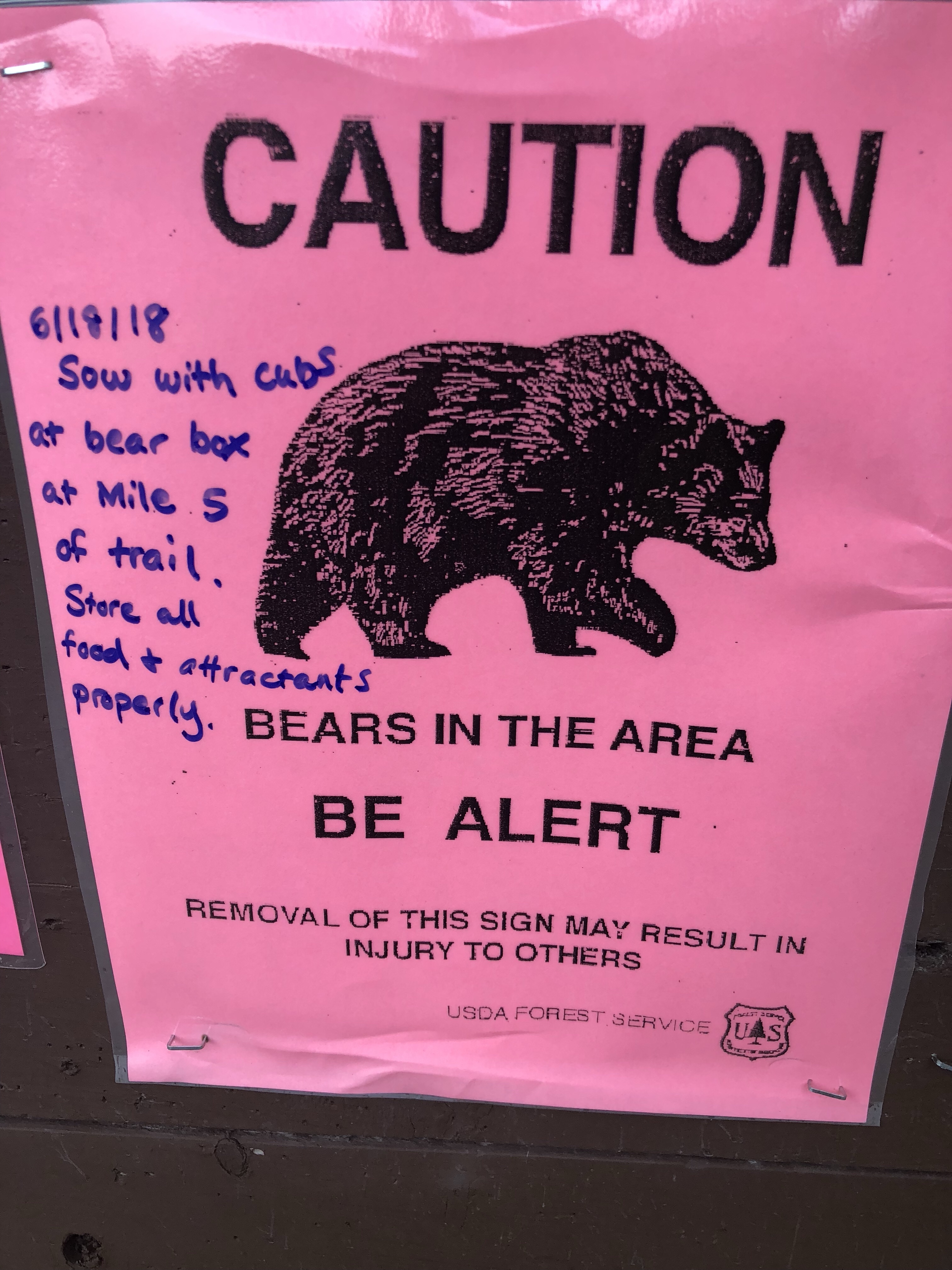
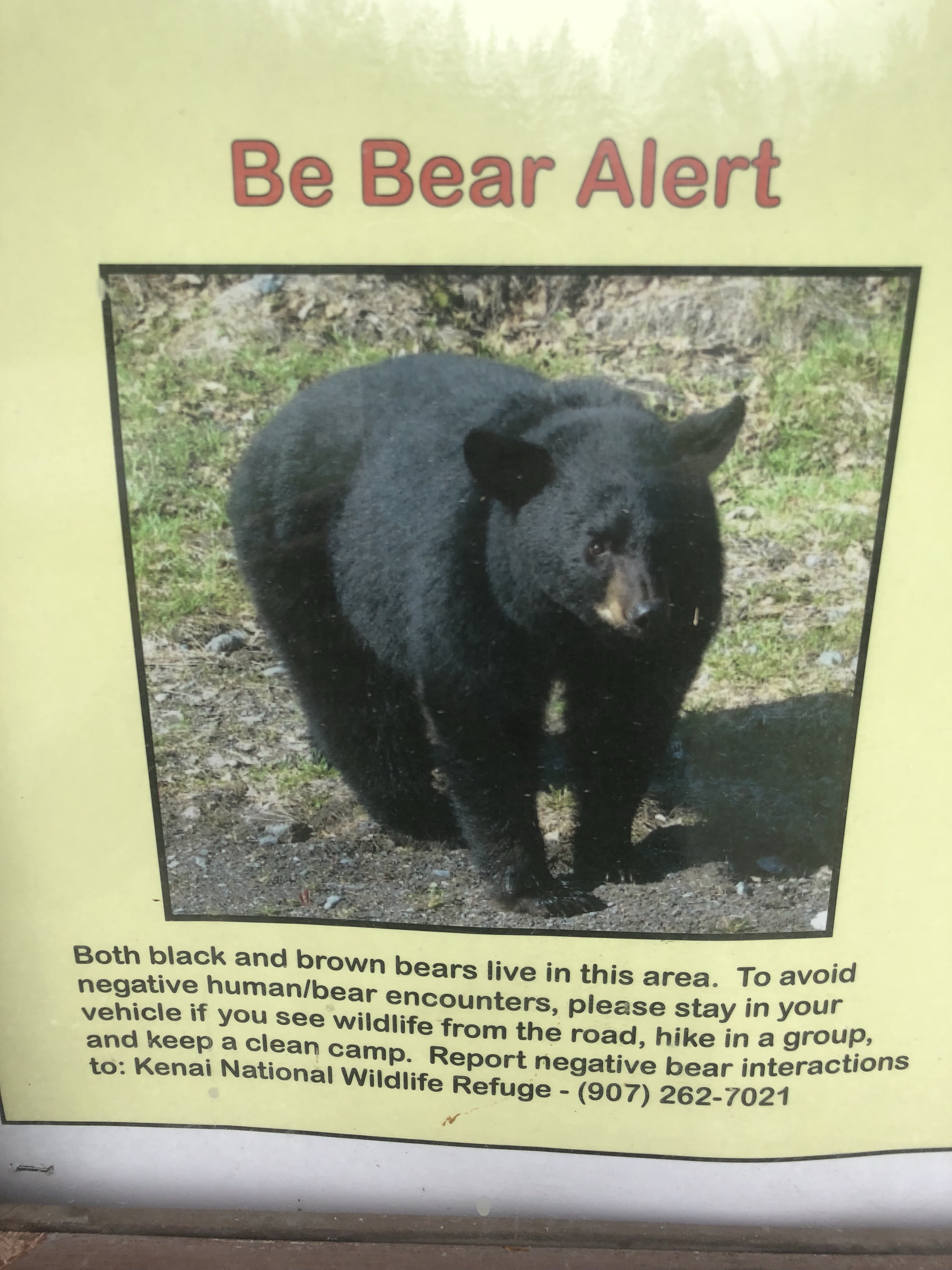
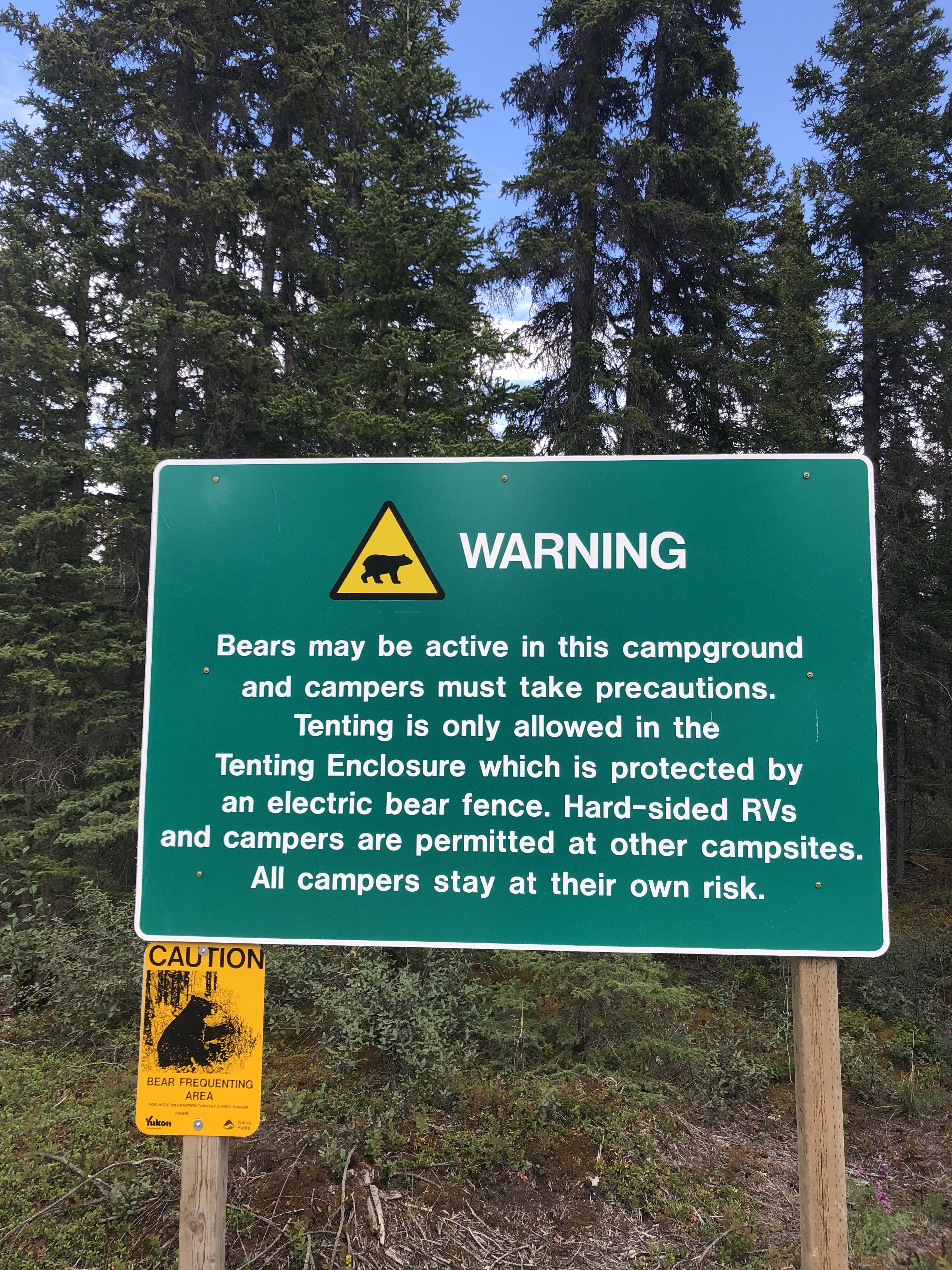
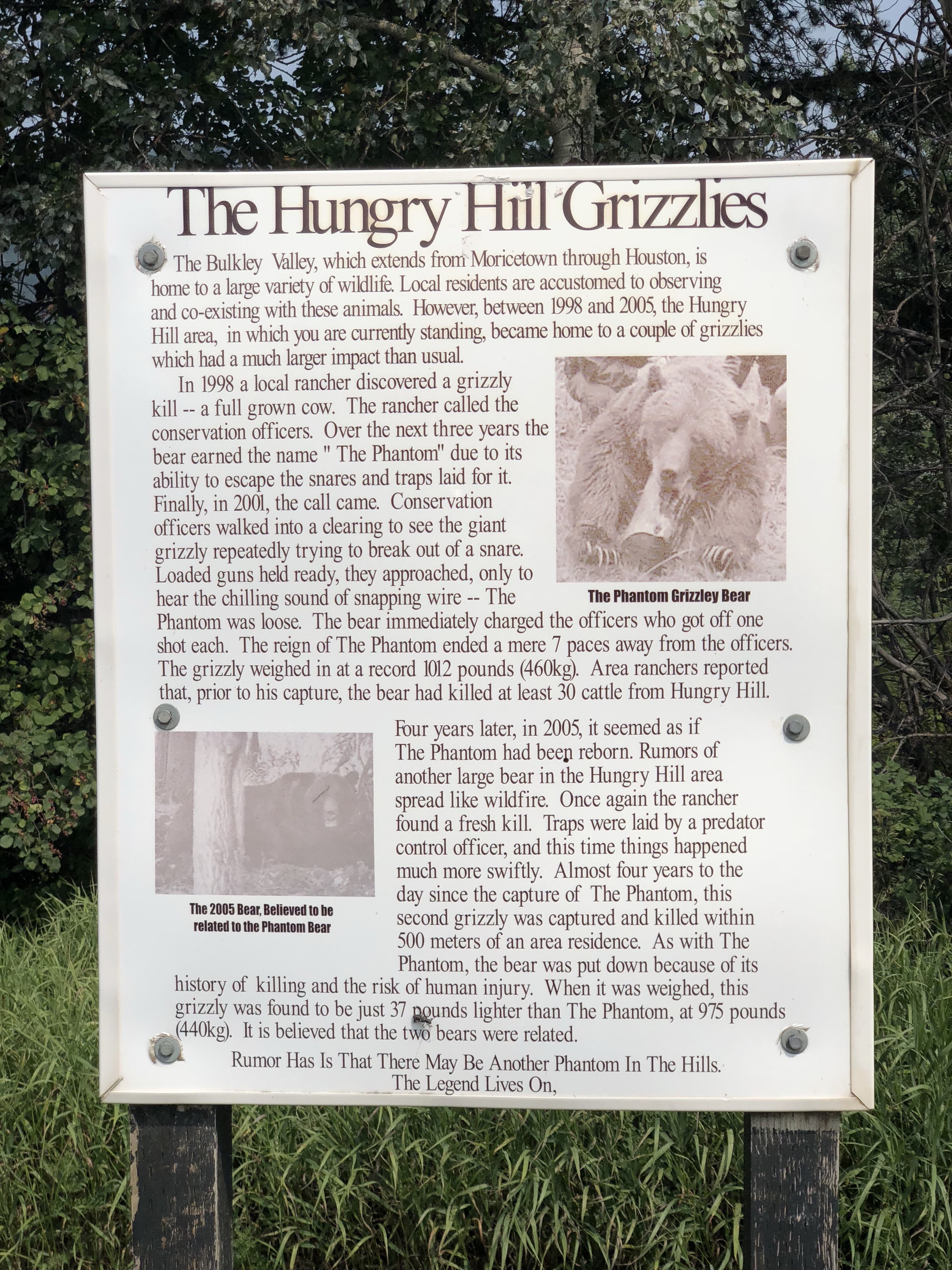
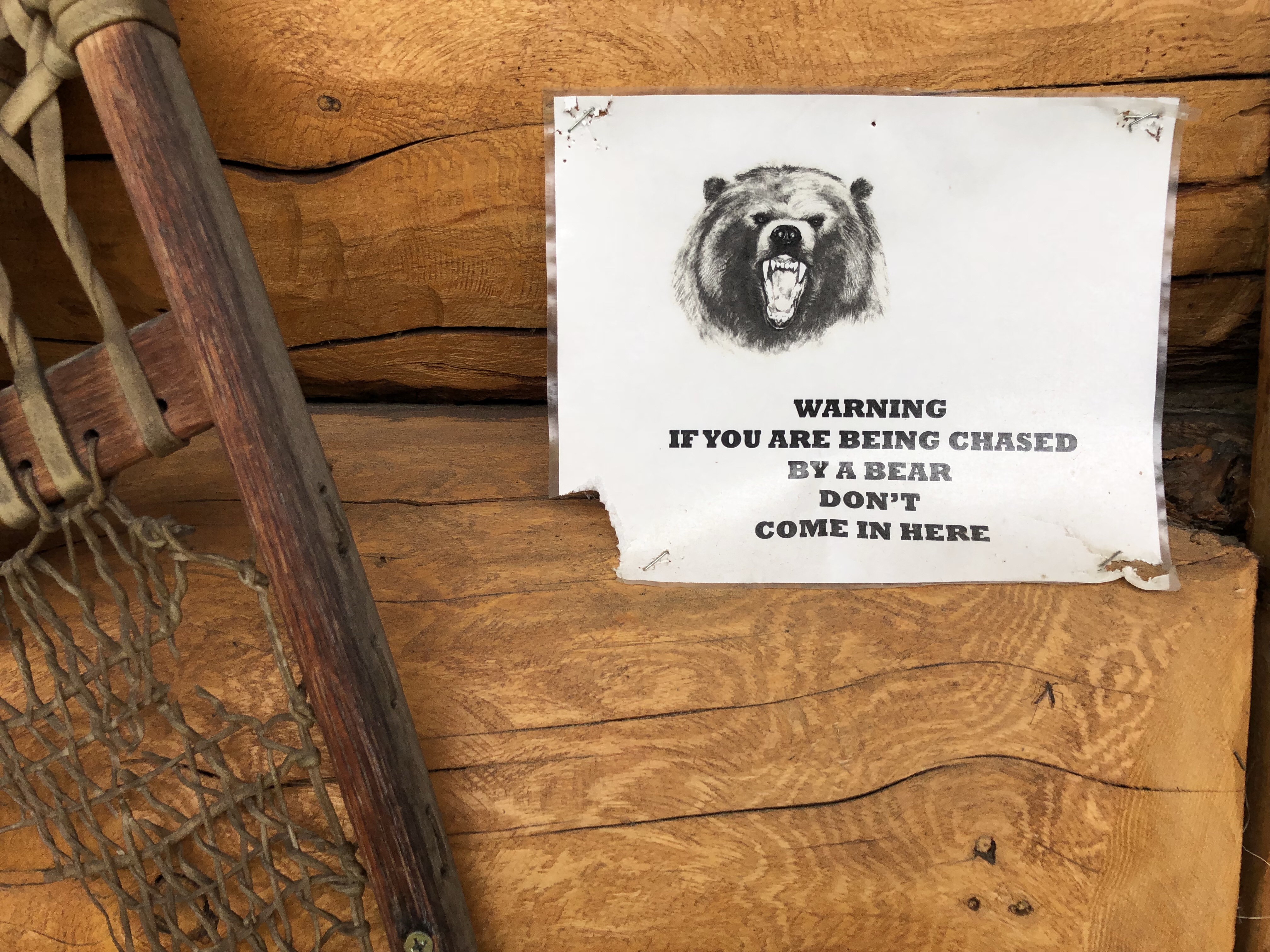
Bears are part of life in the North woods. These sparsely populated regions have large wildlife populations including both Grizzly and black bears. We were constantly warned by signs, Park rangers, and scary newspaper stories to be vigilant and follow proper protocol. There are several rules we had to adhere to to avoid what the authorities refer to as a ” negative human/bear encounter”.

#1. NEVER cook inside tent or other soft sided camper ( pop up trailer etc). Certain campgrounds even forbid tents, and pop ups. Cooking fish is asking for a bear visit, we never dared to.

#2. Don’t hike alone.

#3. Make noise while hiking, you don’t won’t to surprise a bear. Worst case scenario is meeting a mother with cubs and a bear with a fresh kill.

#4. Avoid dawn and dusk in the woods, it’s feeding time.

#5. Carry bear spray or a firearm. It says on the bear spray can you should be 15 feet from the bear to be effective, yikes .

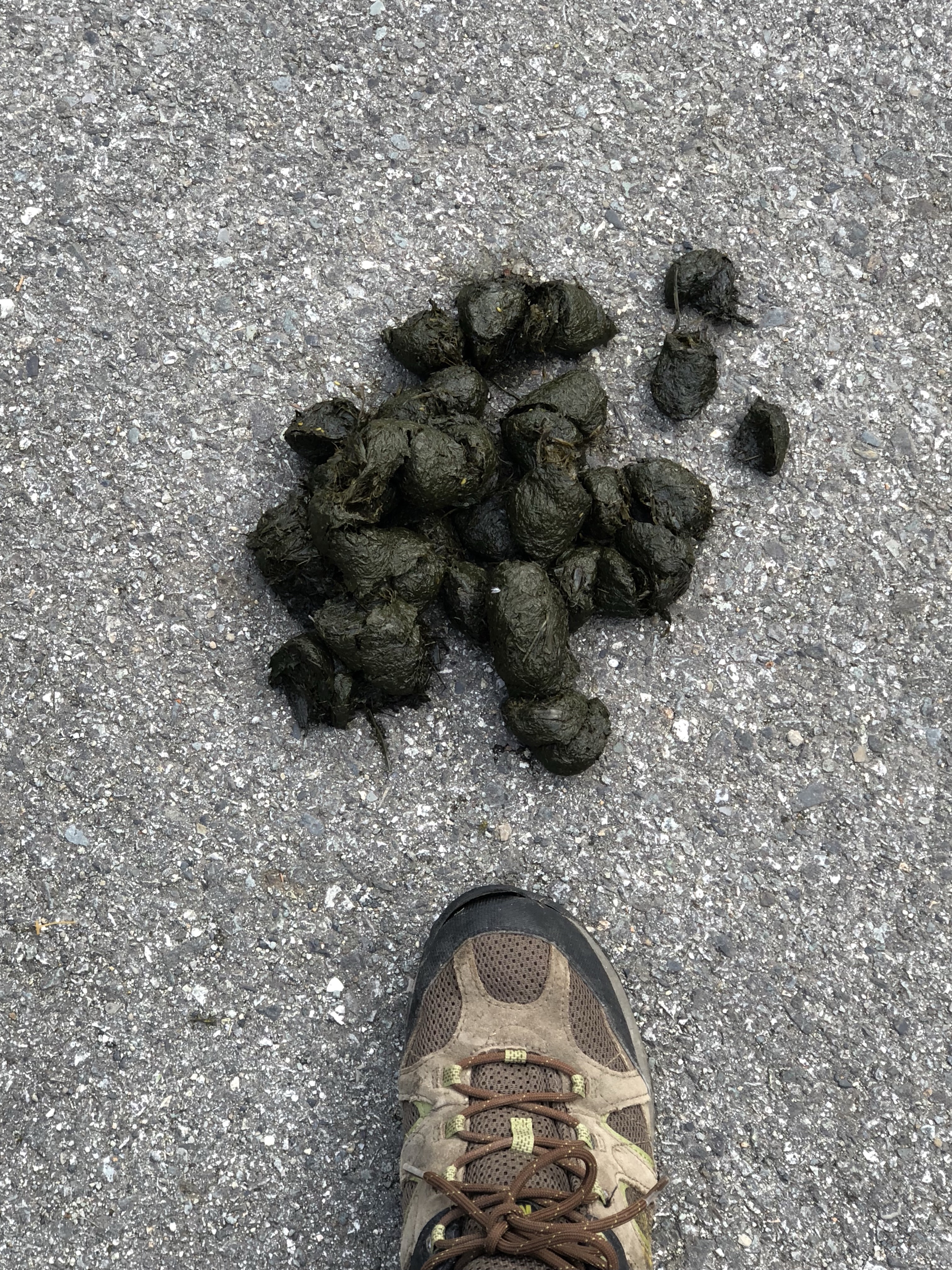
I often fished along river banks with both bear and wolf tracks, it keep me looking over my shoulder. My shotgun was heavy and cumbersome slung across my shoulder while fishing but it did bring a sense of security.

We had several bear encounters, in all but one occasion, the bears either ran away or ignored us. One bear in British Columbia expressed interest in me and was walking towards me, I hopped in my truck and left.

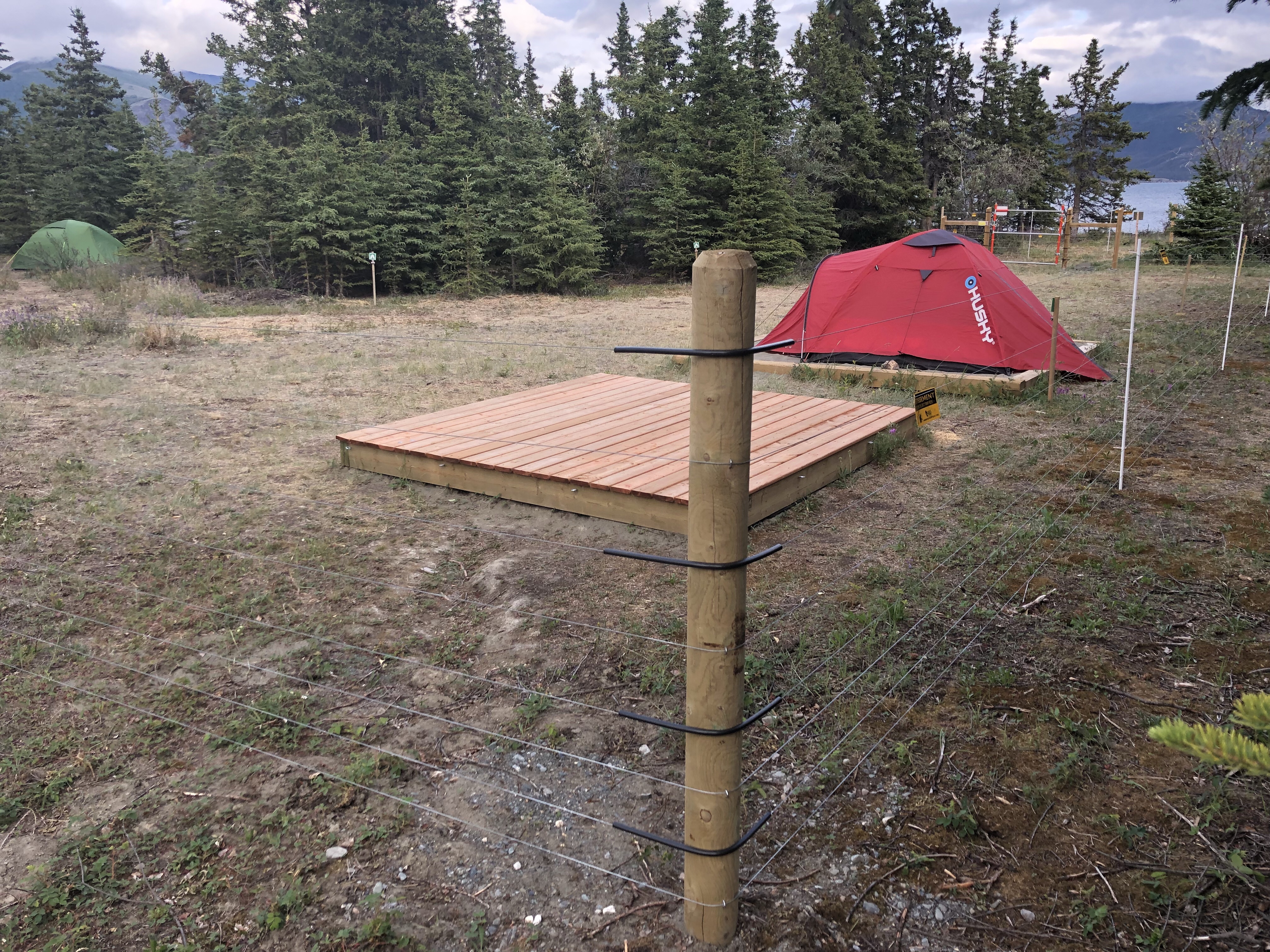
British Columbia has adopted new facilities at some high risk Parks with a history of negative encounters. I found the concept of sleeping in a flimsy tent protected by an electric fence a little unnerving. I also found it paradoxical that we human use electric fence to both keep people in and out, animals too, it was an odd sight.

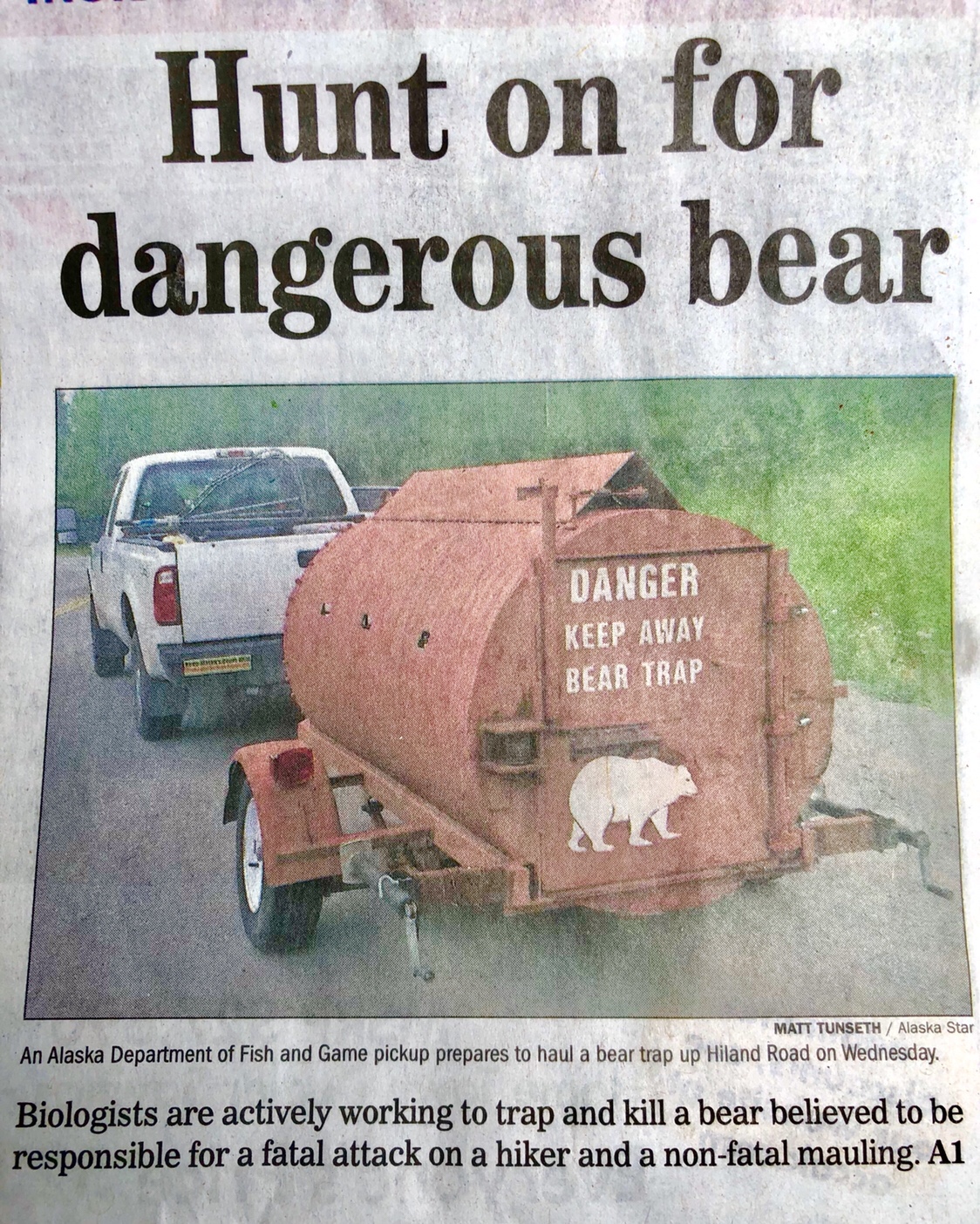
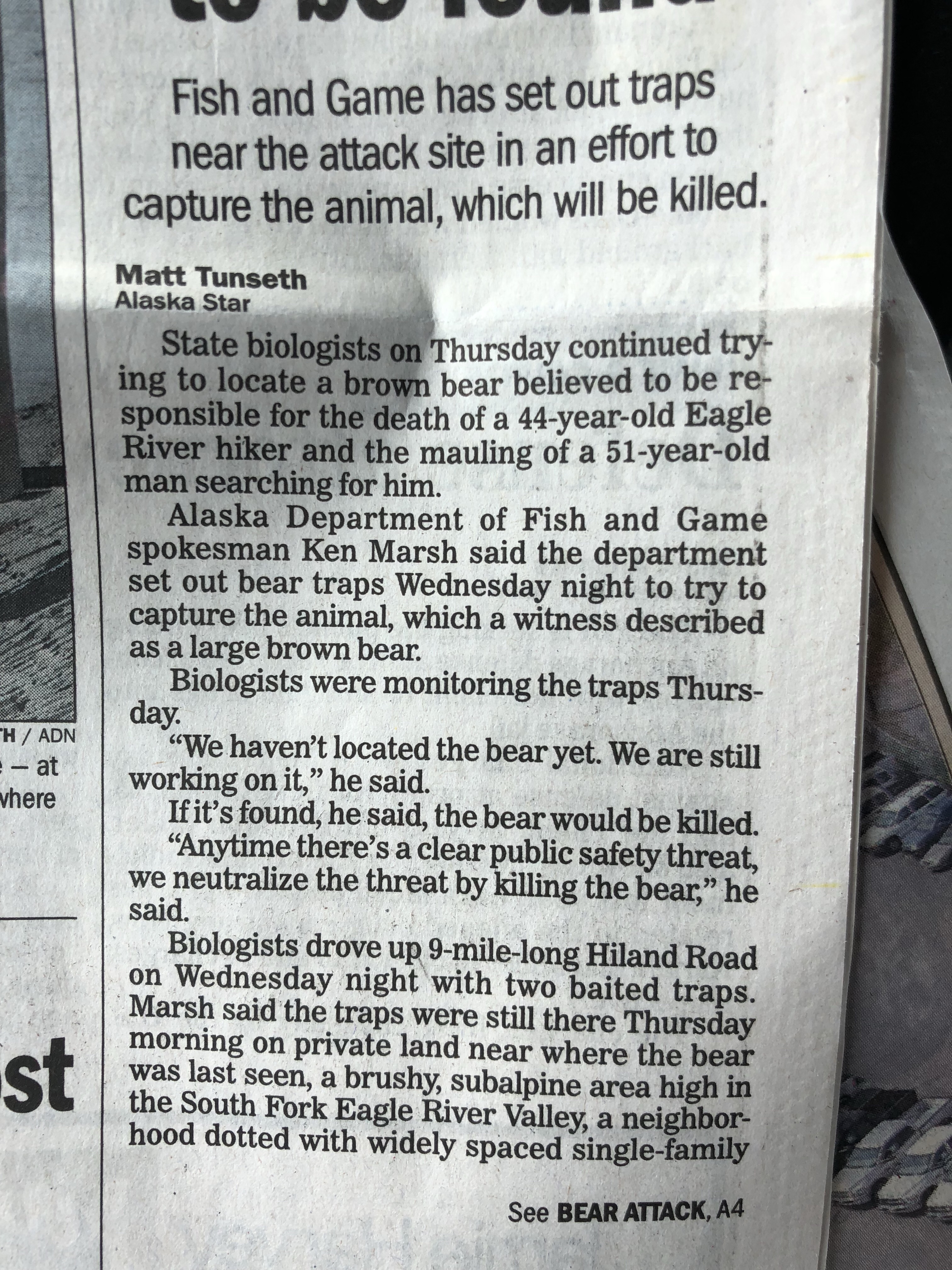
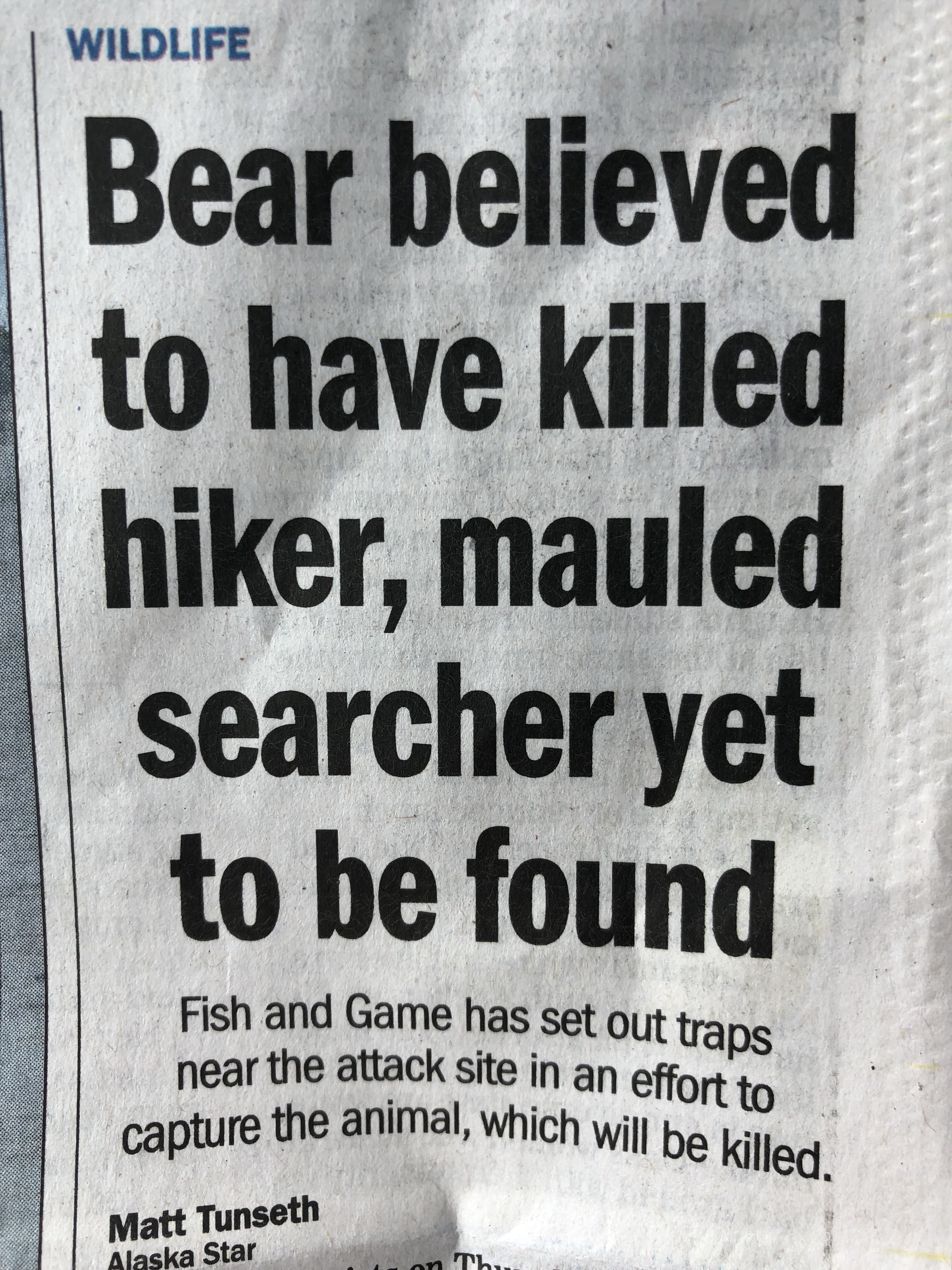
The included newspaper story took place in an Anchorage suburb while we were in a nearby town. A man went out for a quick run before dinner up a nearby ridge he’d hiked many times. It was his last jog. Last year a bear killed a 16 year old runner in a race in the Anchorage area. A 27 year old female employee at a commercial gold mine in Central Alaska was killed the same week.

We always played it safe and avoided trouble. I especially liked the Tundra where you could see great distances and knew you weren’t about to be eaten for dinner. After a while we became accustomed to the threat but it never went completely away. It’s part of the package in the in the Last Frontier .

Seward Alaska

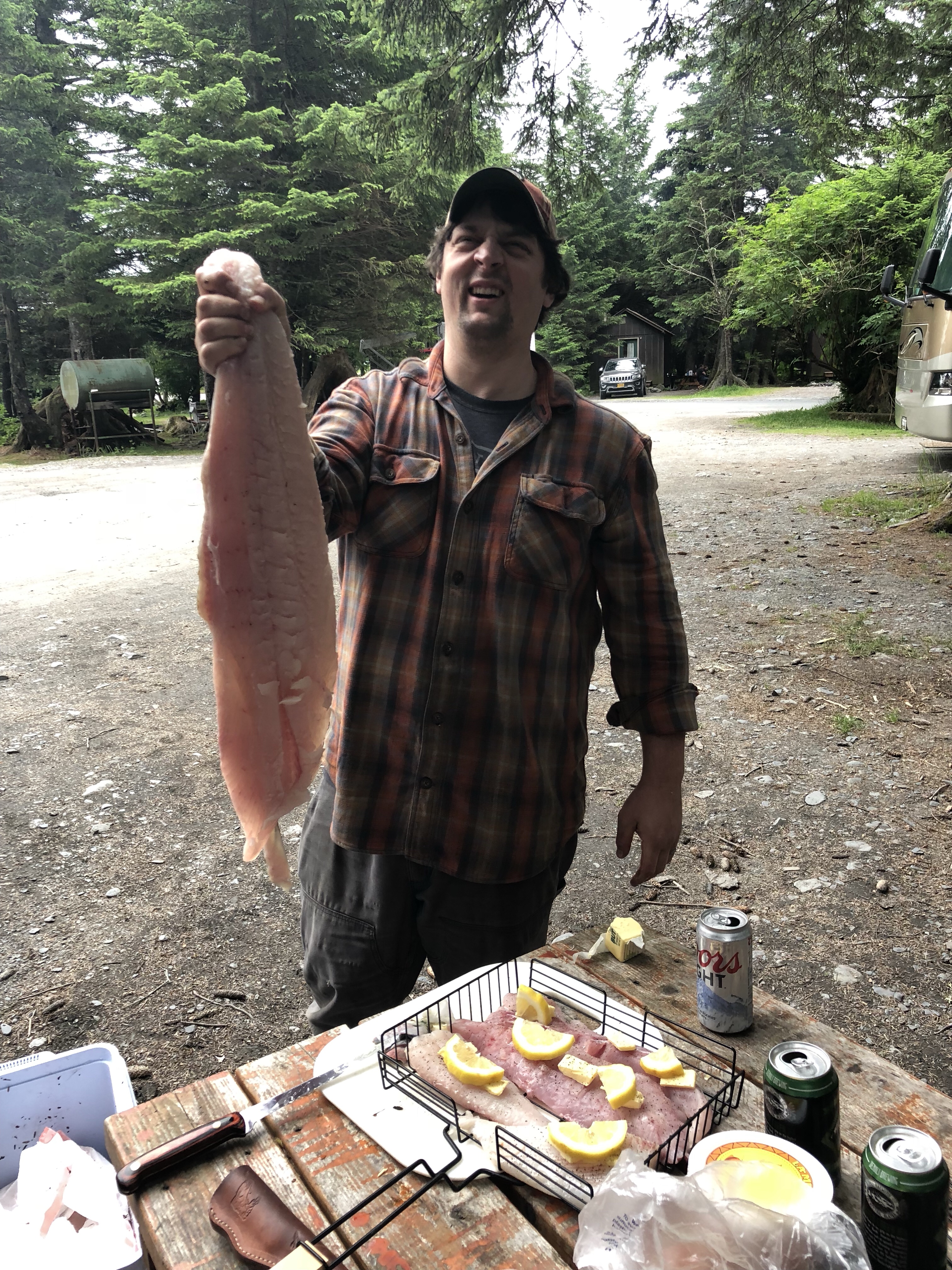
panoramic views of the glacier covered mountains across the bay. Bob and Curtis went offshore fishing and brought back a cooler full of Halibut and Rock fish filets. Curtis is holding a seven pound filet, he got four of them off one Halibut.

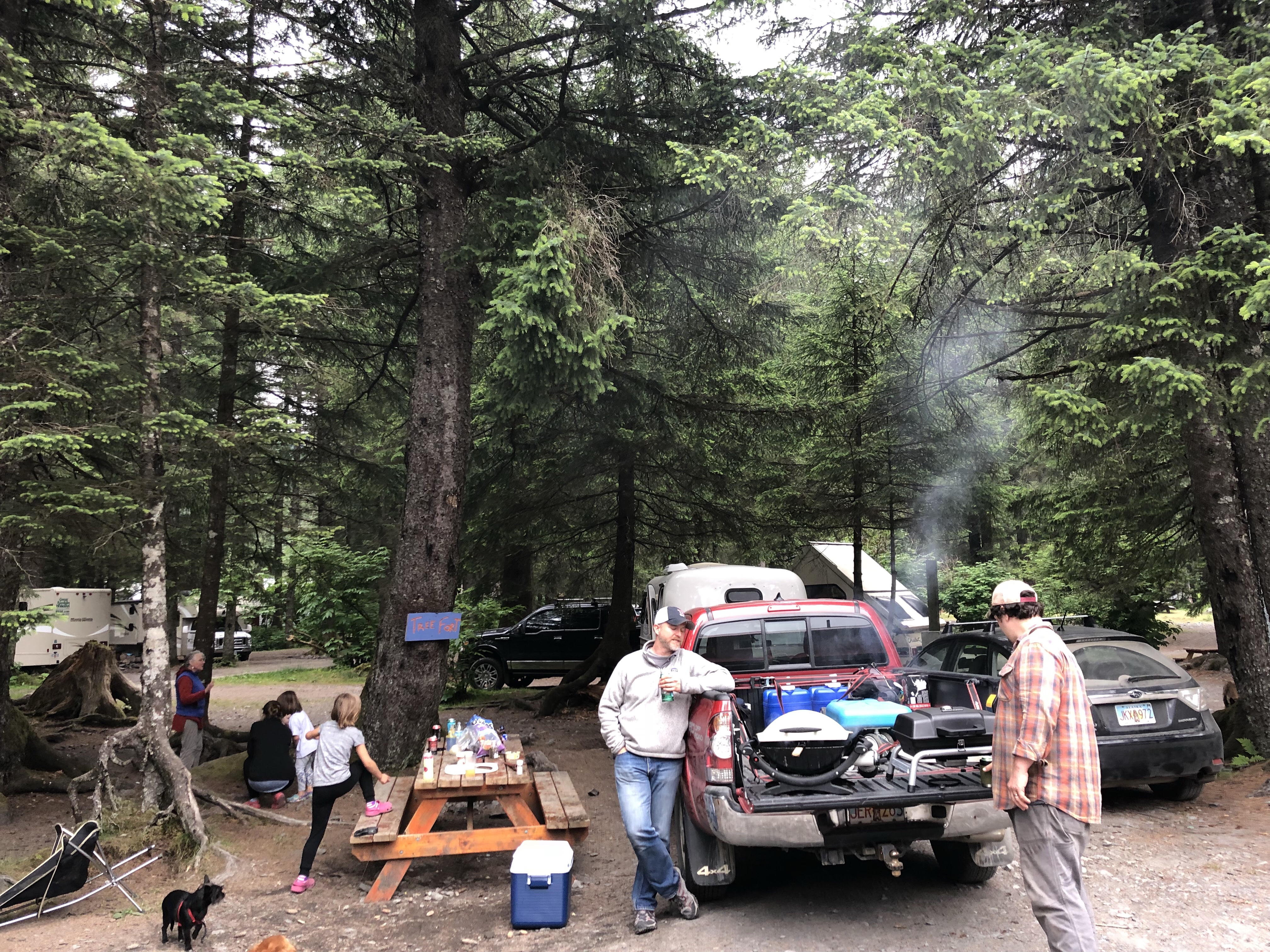
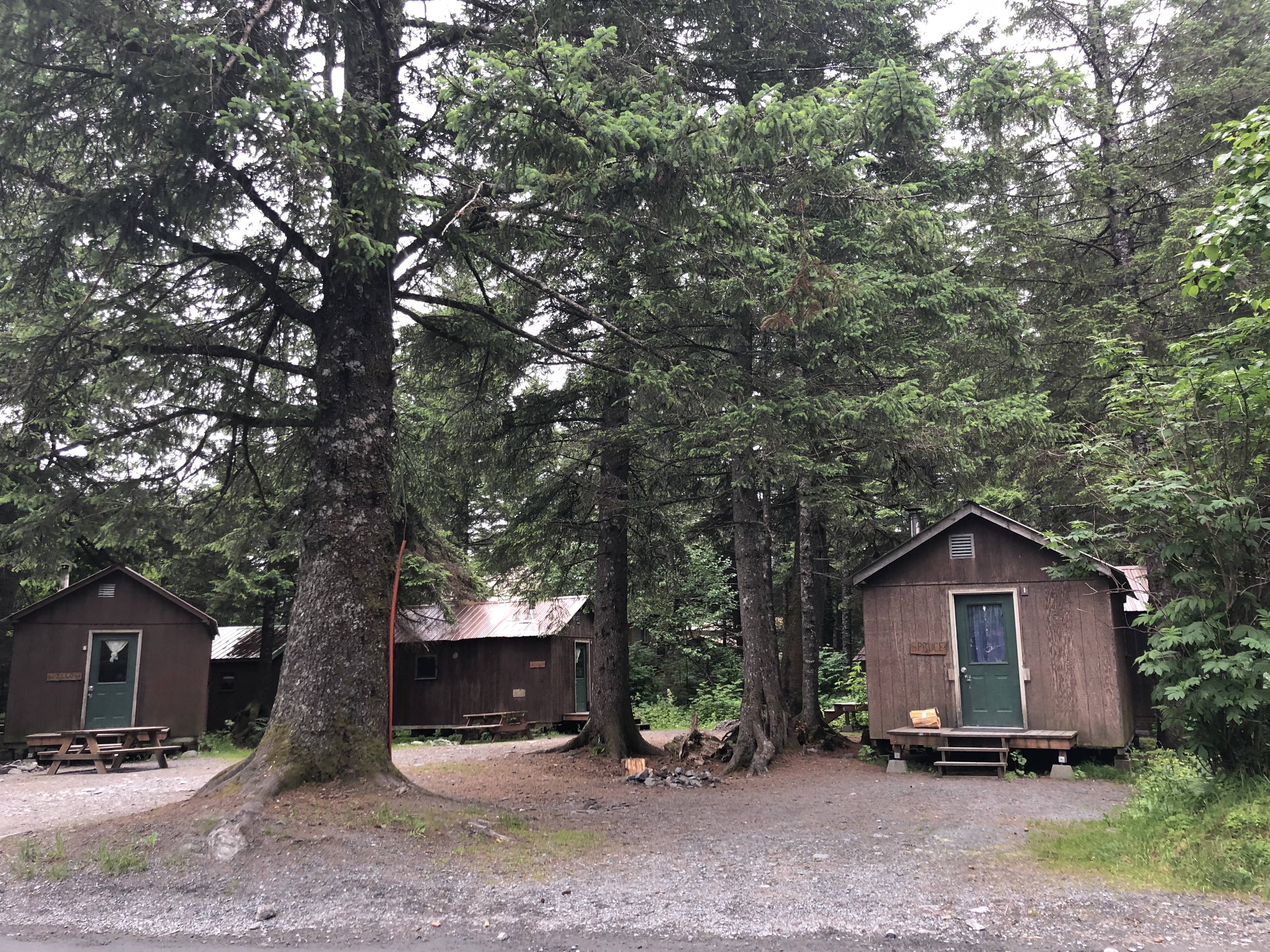
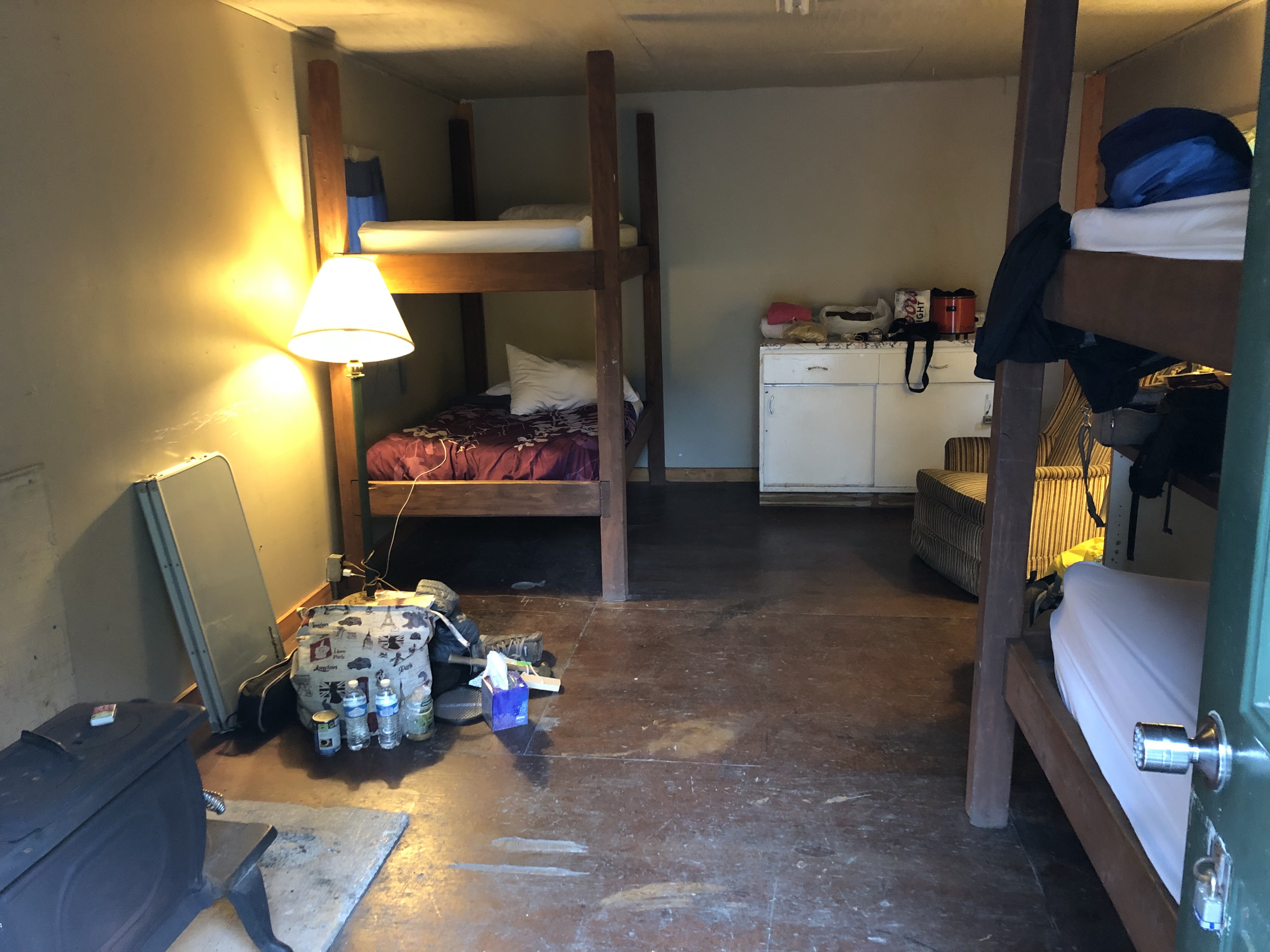
We decided to give the Faith and family space and stayed in a tiny dry cabin ( no plumbing ) at the Seward campground. The cabin had a sign on the front naming it “Spruce ” . A more fitting name would have been ” Grim “.

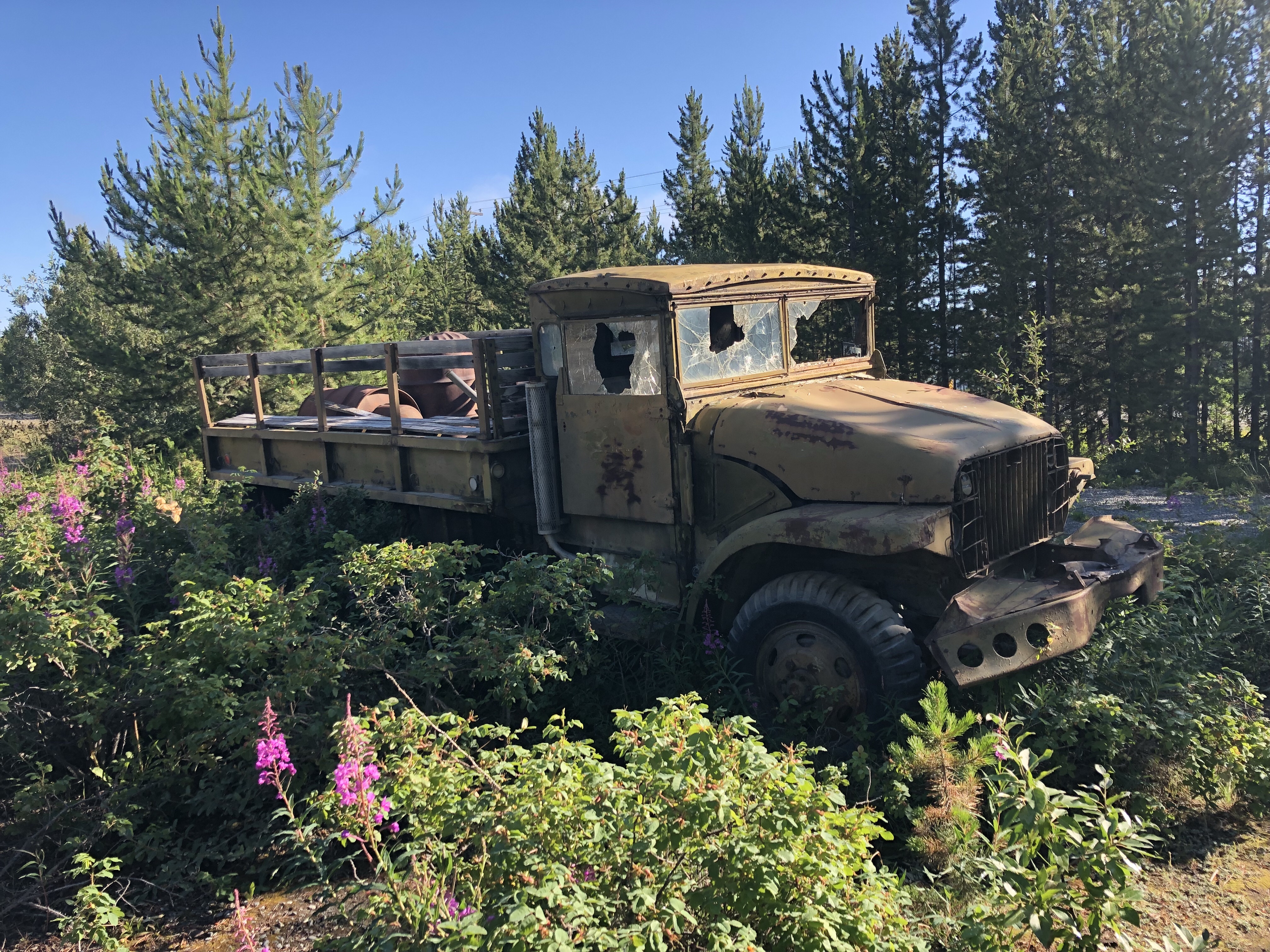
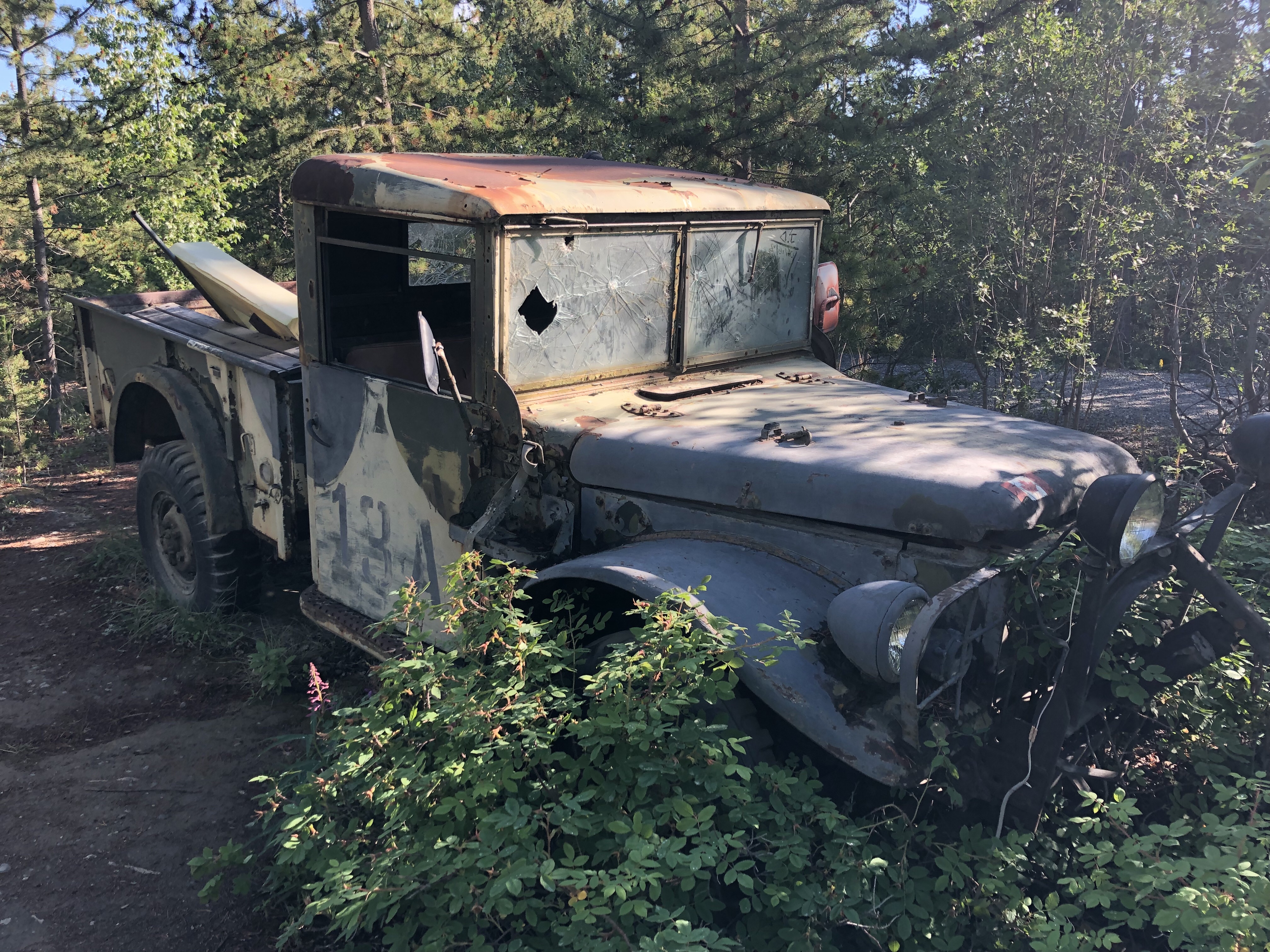
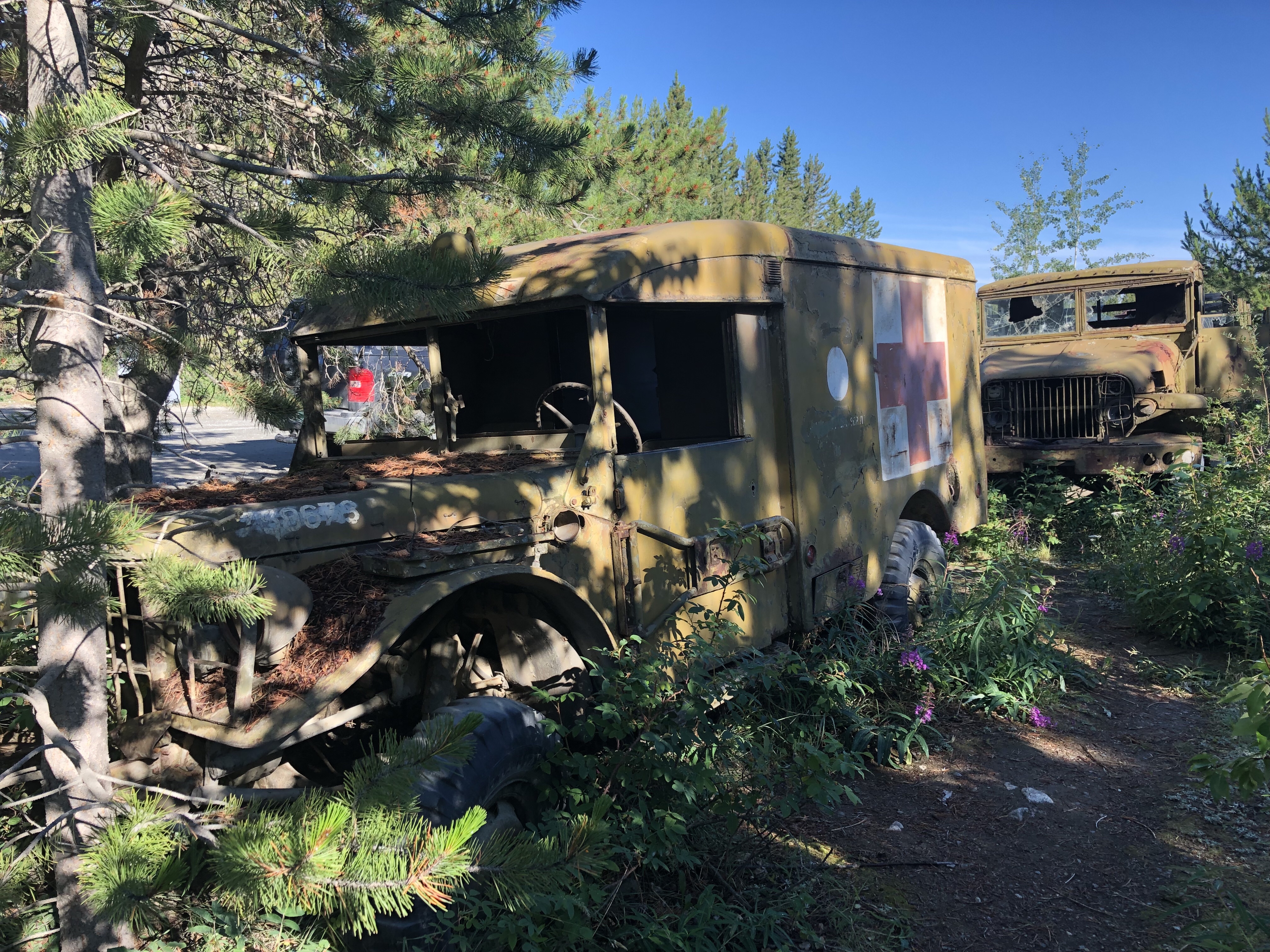
We often see old WW2 vehicles parked by the roadside . The government left lots of surplus road building equipment after the Alcan was completed in 1943. The isolation of Alaska means that things that collectors would have grabbed decades ago are still hanging around here.

Alaskan Travels

We visited our old friends from Vermont who moved to Alaska a few years ago. We used their wonderful cabin as our home base to explore their huge state. Curtis and Jordan purchased their new home a year ago and recently purchased the neighbors cabin as an AirBnB.

Their small dog wears the “Eagle Vest” as protection from the common, predatory Bald Eagle. Curtis has installed crisscrossed string lines above his chicken yard to deter the roaming Eagles.

We stopped a couple of times to look at the Alaskan pipe line while we were around Fairbanks, about halfway on its winding path from the Arctic oil fields to the south coast for loading onto tankers to Japan ( 800 miles ) .

We spent a day in Anchorage, a new city on the coast. It’s an odd mixture of tourists and poverty, the homeless are everywhere. We stopped by a restaurant overlooking a river near the city center and watched a woman catch a 22 pound King Salmon in a river meandering thru the city outskirts. We were warned about bears at our city campground. The 20 hours of sunshine was great.
North of Fairbanks Alaska

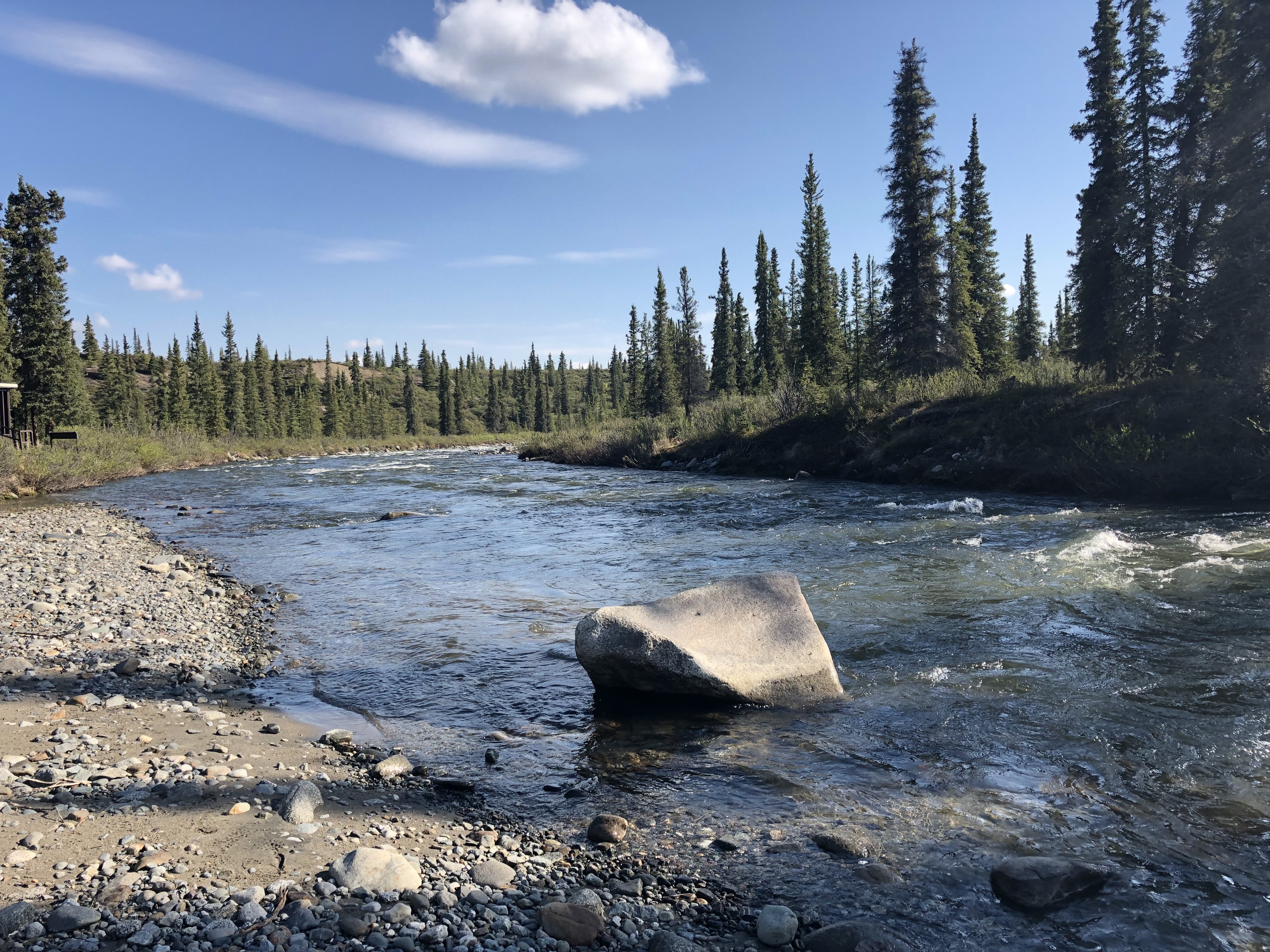
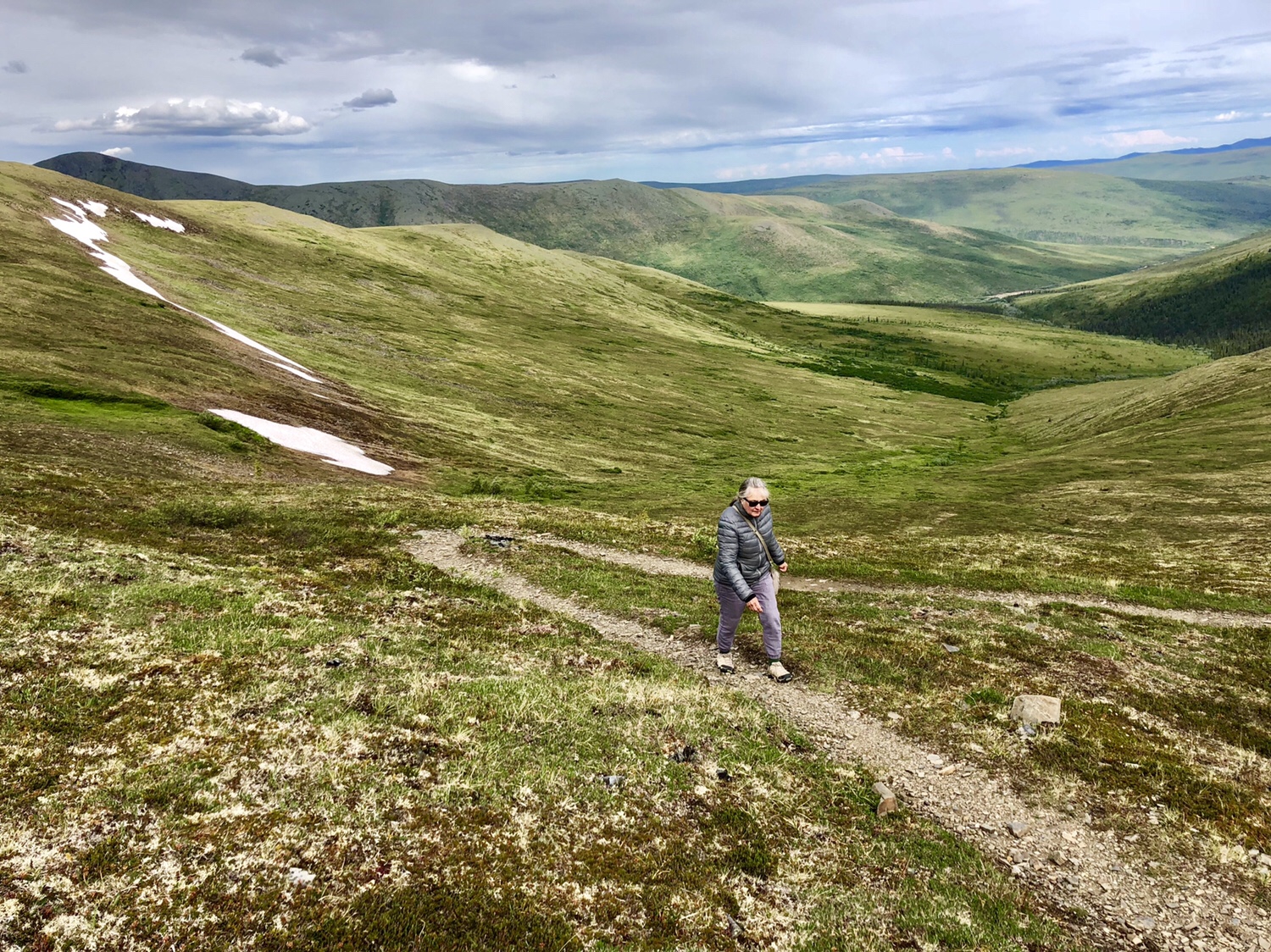
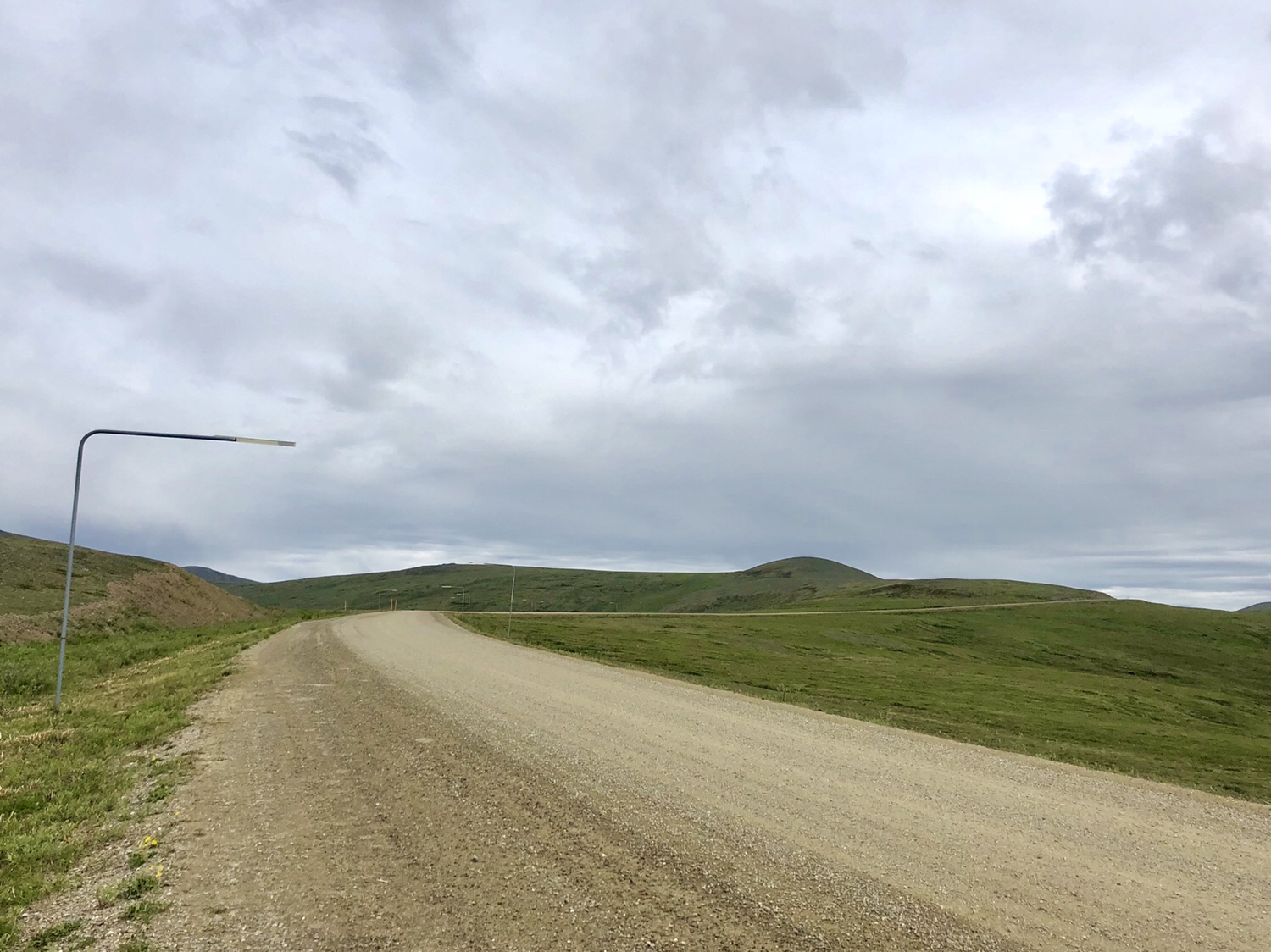
I wanted Karen to see the Arctic Tundra so we headed to Fairbanks in Central Alaska and took the Steese Road north from there. This road was opened 30 years ago to access Alaska’s most active gold mining district. Just before reaching the tree line and the Tundra, we spent the night at a BLM government camp ground, we were the only ones there ! We were approaching the Arctic Circle and enjoyed almost 22 hours of sunshine. The sun barely set at night, dropping just below the horizon for a couple of hours before rising around 2:30 AM. It never really got dark, we never needed flashlights. This endless daylight can be disorienting , you tend to ignore your watch and sleep when you feel like it. I liked the endless sunshine. I fished the nearby river for Arctic Grayling. We decided not to cook fish as the riverbank had fresh bear tracks.
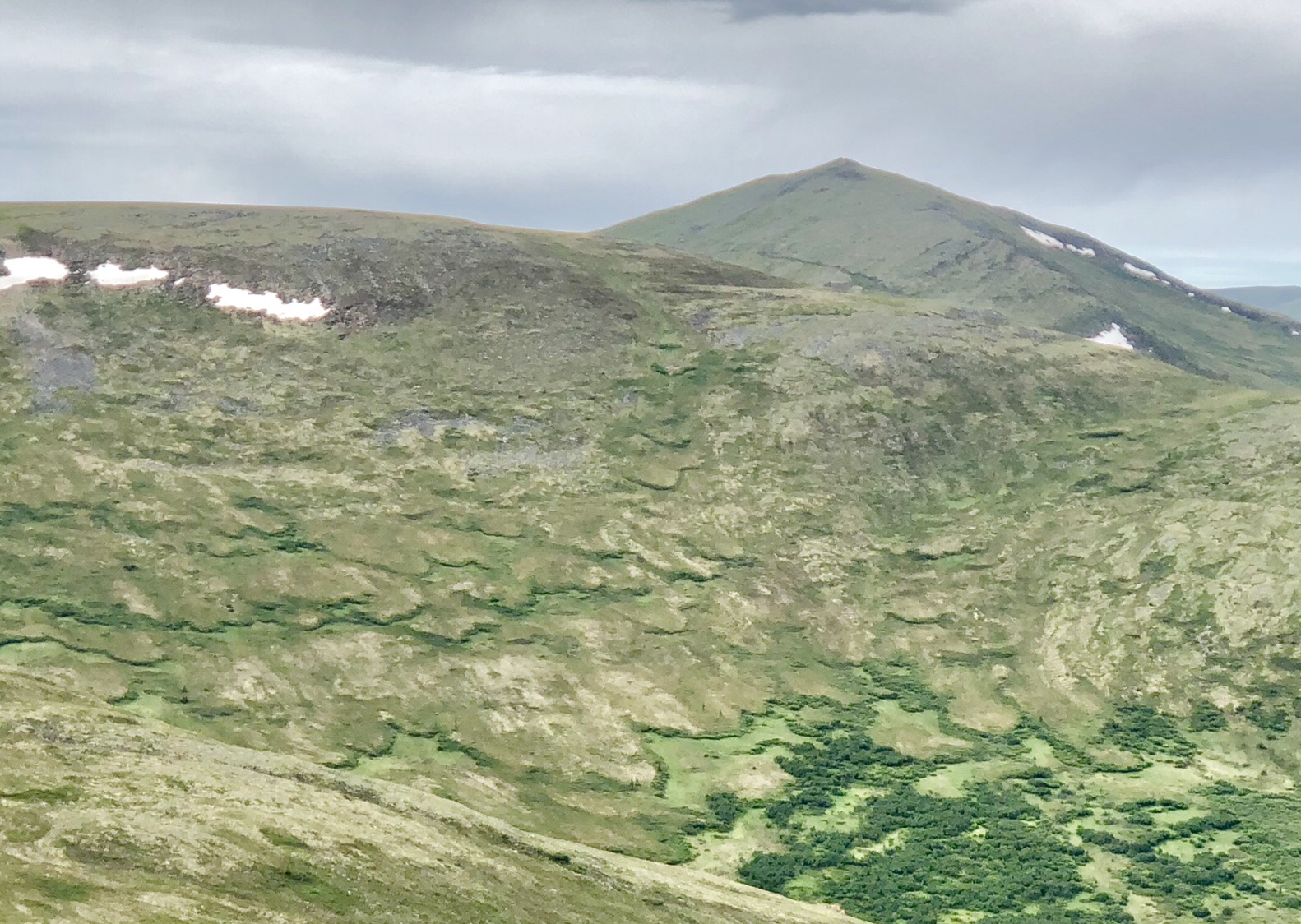
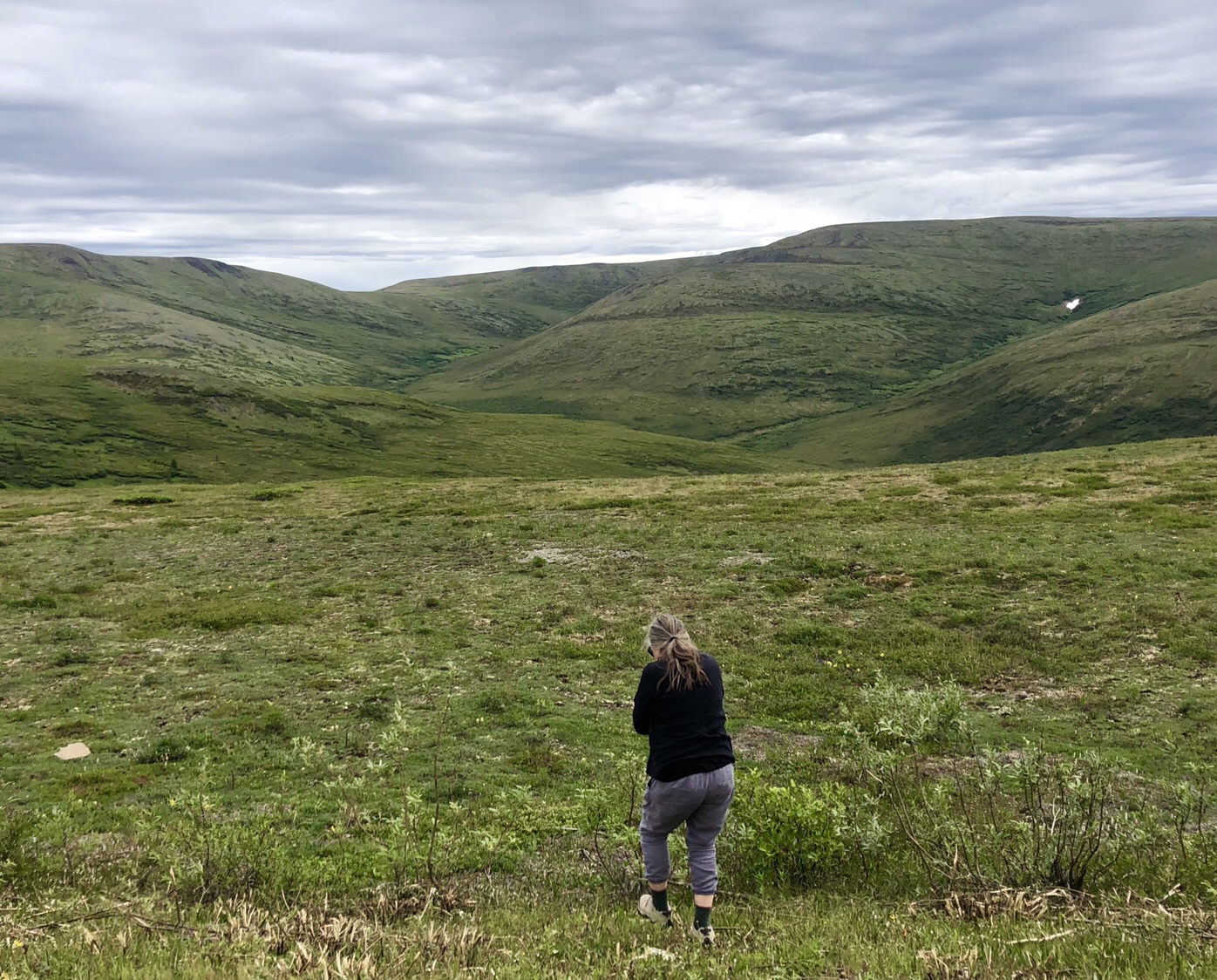
The next day we finally reached the tree line and entered the Tundra. A Marmot appeared in a pullout where we stopped to hike up a ridge . We were too early to see the fall migration but this was Caribou country, where the vast herds exit off the North Slope to higher ground to escape the clouds of mosquitoes that plague them at lower elevations.

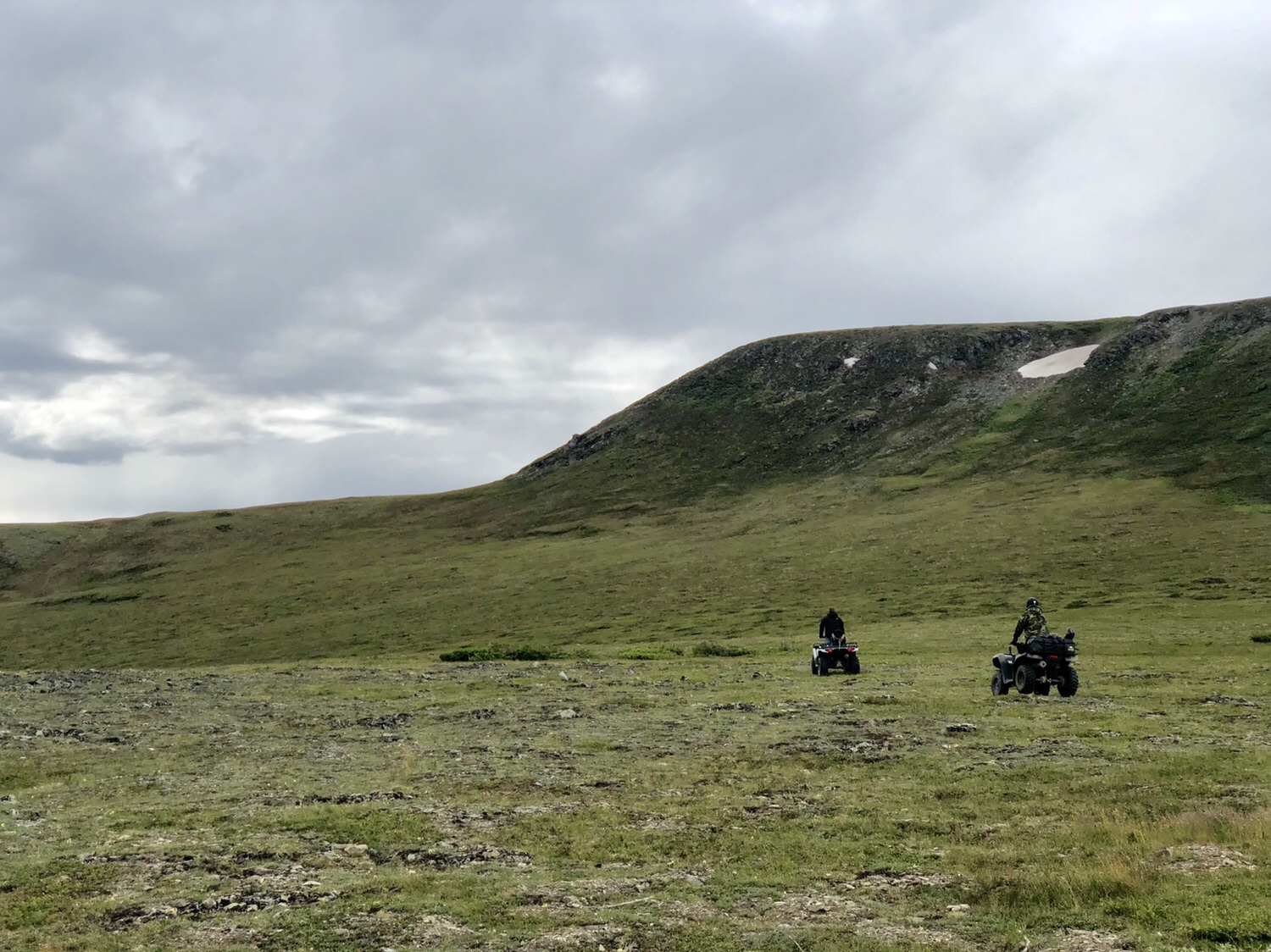
I spoke to two hunters who were scouting the area for the upcoming fall Caribou hunt. They each shoot one a year for hundreds of pounds of the finest wild game meat there is. They told me how the wolf packs follow the herd year round, picking off the old, the weak, the unlucky young. I watched the two men disappear into the vast, empty Tundra on there ATV’s .

We enjoyed our visit to these Arctic mountains, no bugs and a cool 55 degrees on a midsummer day. We consider this our furthest point away from our Vermont farm in our long journey to Alaska.

Denali

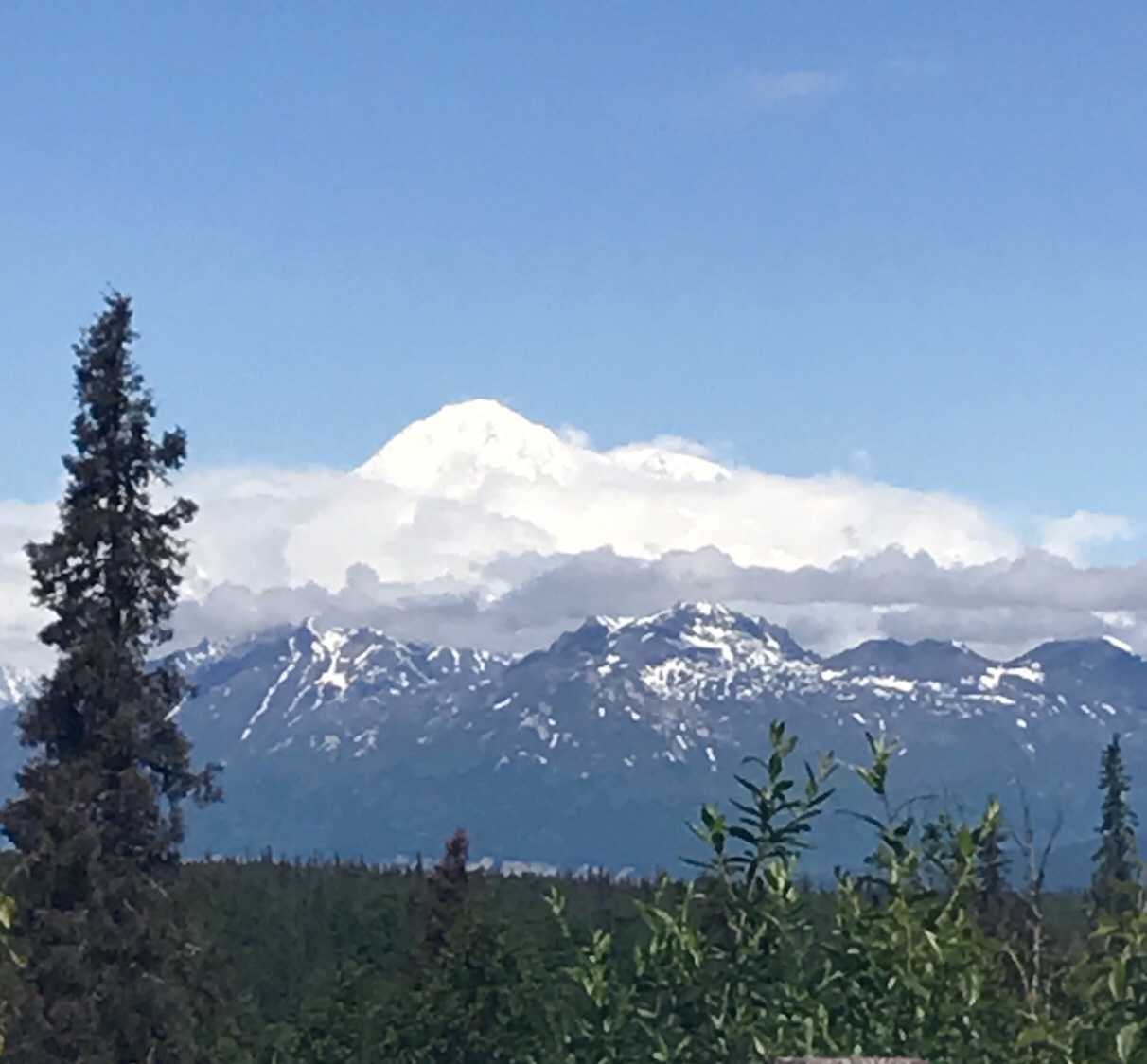
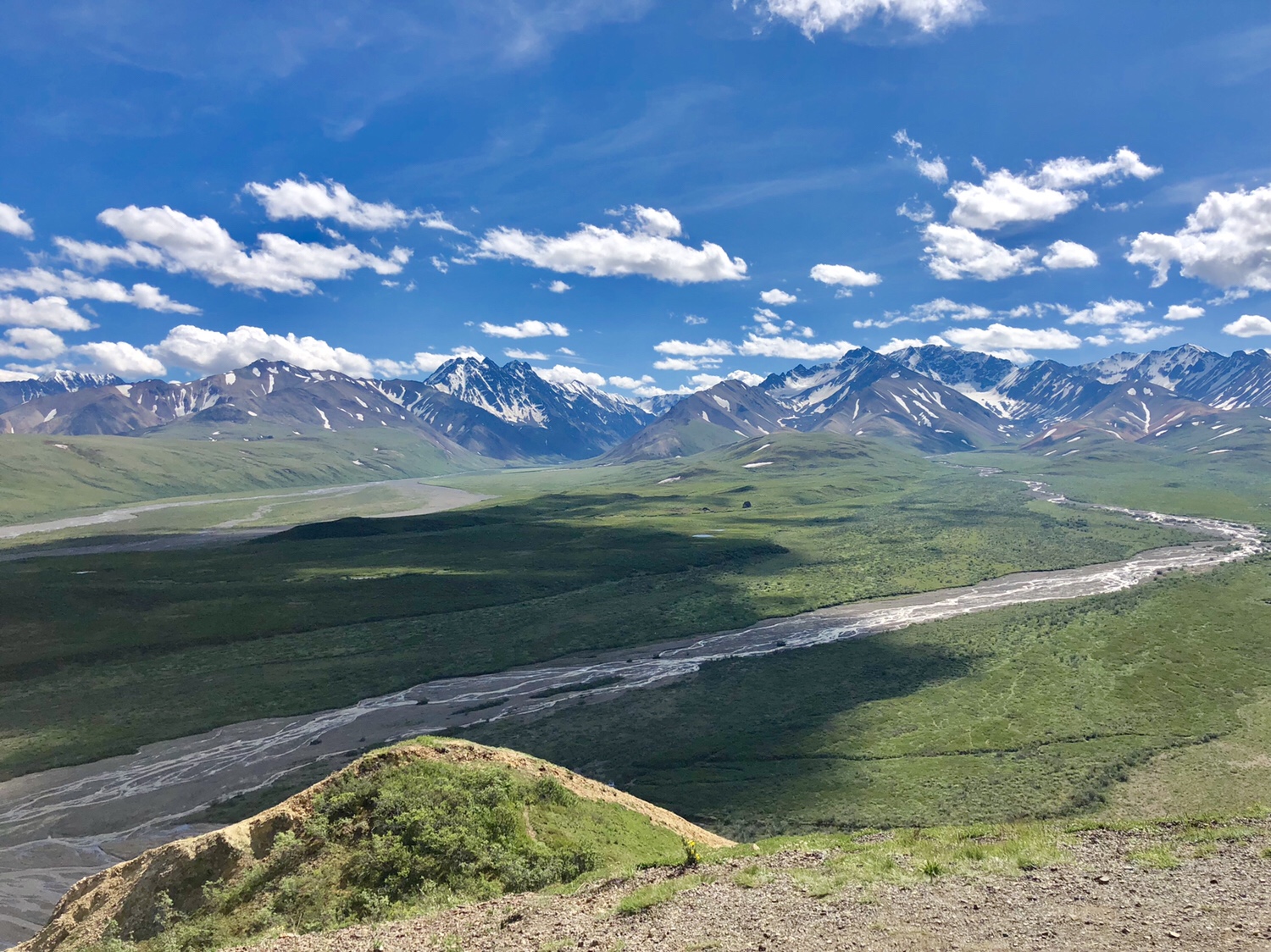
Alaska is blessed with 8 National Parks with Denali being the most visited. We arrived on a beautiful clear day to awe at the towering mountain rising 20,300 feet. The old white men in Washington occasionally make good decisions and this park is one of them. Established in 1917, the sprawling park stretches along 150 miles of the Alaska Range, with the snow covered peaks fading into the horizon in both directions . With a 80 mile width, the park is larger than New Hampshire. Denali can be seen 100 miles away.

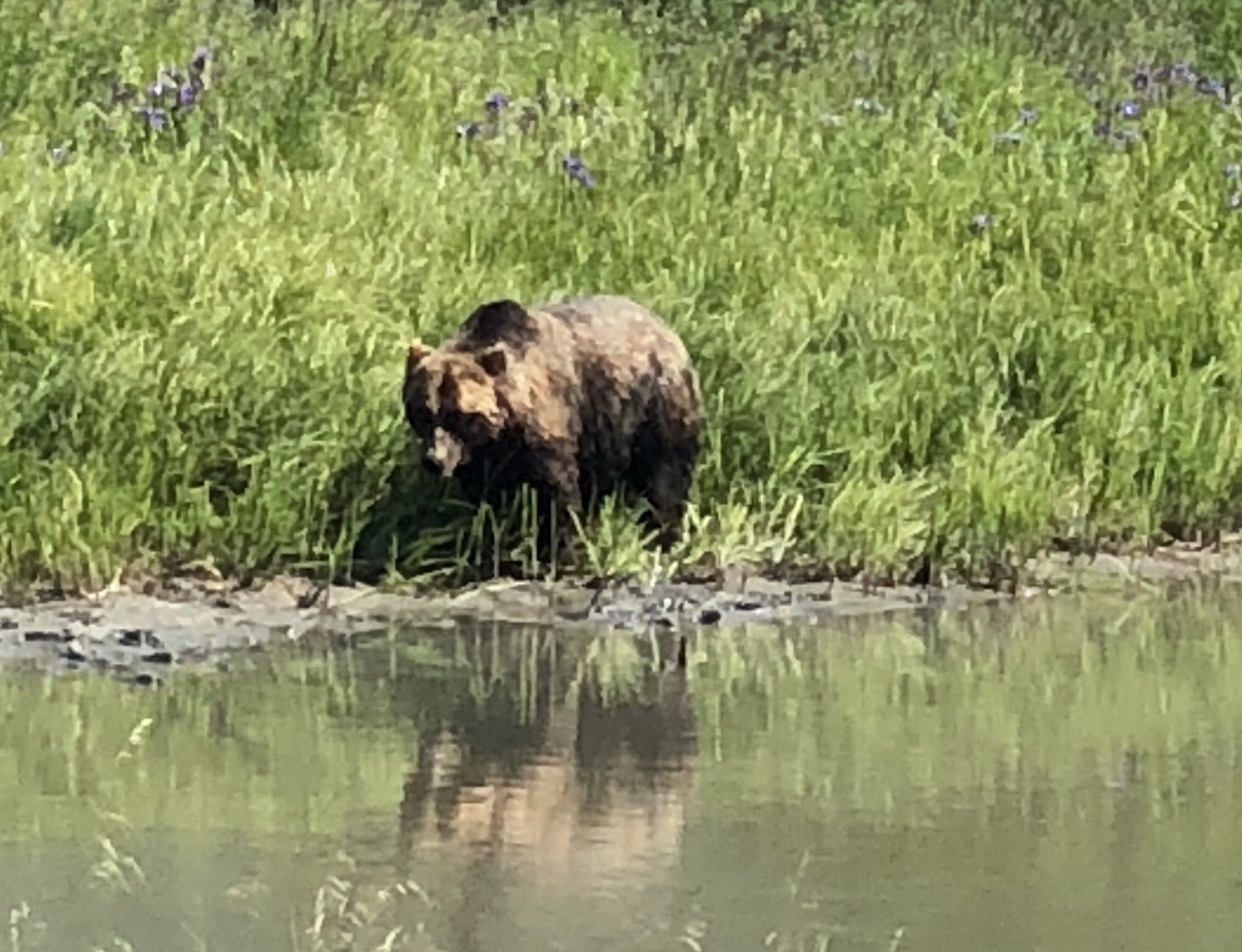
A single road meanders the full length of the massive park. Vehicles are banned, we accessed the scenic interior by green school buses. With very limited traffic, the abundant wildlife wanders everywhere including the roads. Much of Denali is open Tundra with the remainder Taiga . We spotted a HUGE grizzly wandering across a stretch of Tundra, he looked the size of a small car. His brown fur graduated to almost blond on his giant back. As top predator, he feasts on the large numbers of moose, caribou, marmots, etc in the Park. Although we didn’t see any, wolves roam the area too.

Considering the huge number of people visiting, the Park Service does an admirable job protecting this gem of a National Park. Most of the Park is open to backpacking. The buses we rode will stop wherever you want and let you off. A permit is required but restrictions seems few. Within a couple of miles of the place we saw the monster grizzly, a young man tapped the bus driver on the shoulder and requested to be let off. Off he went, alone into the Tundra with his backpack. I guess it’s Darwinism. With the sun setting after midnight ( over 21 hours of sunshine) , the hiker had plenty of daylight left.