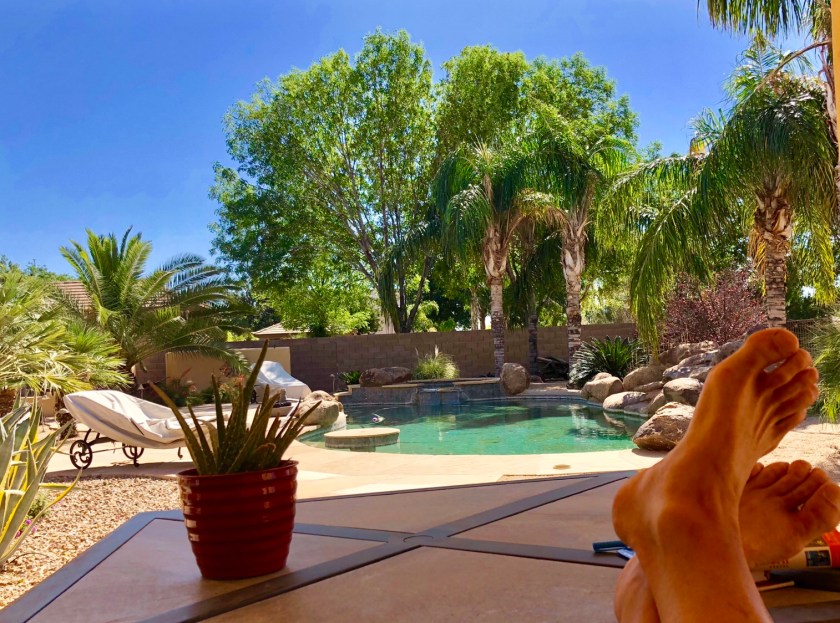
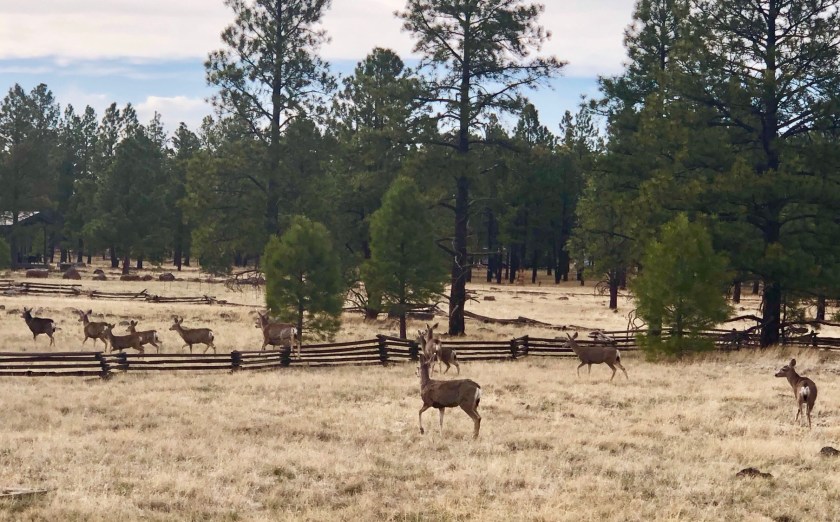
Before we departed the Southern desert, we spent several days outside Phoenix in the backyard of an upscale house in an odd subdivision of what they call small ranches. These plots range in size from 2-5 acres, most have a large house with outbuildings. Our hosts did not have horses but many neighbors did. We had a nice pool surrounded by beautiful desert gardens, I enjoyed the dry heat and lounged by the pool. The temperature went higher daily, peaking at 106, our camper was almost 125 inside, whew. The myth of comfortable dry heat is only true to a point, above 90 it’s just plain scorching hot. To top off our desert experience, we then suffered through an intense dust storm that lasted 18 hours, the wind blew 40 mph, at times the choking dust cutting visibility to 50 feet. This dirt storm was like experiencing a biblical plague, it was awful. Going outside was painful, your eyes immediately filled with dust, breathing was almost impossible, dirt and debris flew everywhere. The next morning the sky cleared, but our patio and pool furniture were covered in a layer of dirt. The pool was a mess. We’d had enough of the desert and headed North. By the time we reached our next destination, Flagstaff, the temperature had dropped almost 50 degrees. The cool, clean Mountain air was great. We really liked Flagstaff, a great college town. Those are Mule Deer in our backyard.
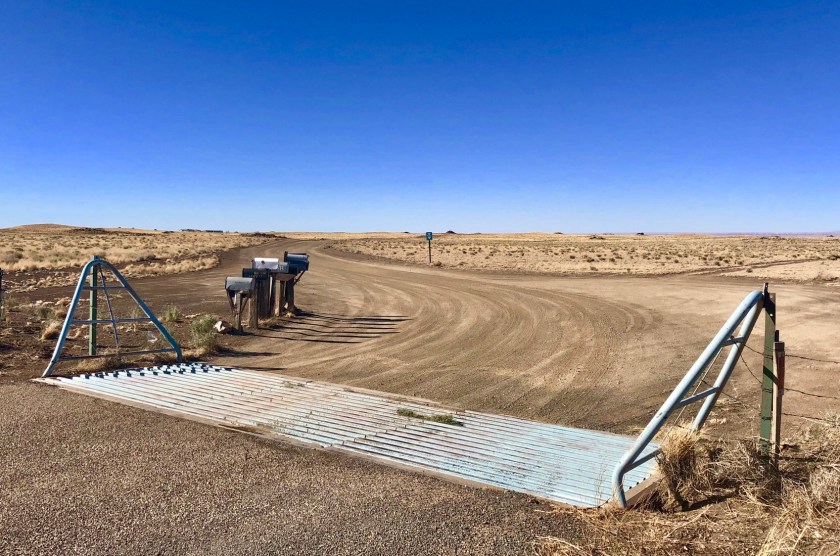
We had crossed the huge Navajo Reservation , the most desolate, empty barren land we’ve seen. The desert was mostly void of any sign of people. The only sign that humans were there was the occasional cattle gate with mailboxes, their dwellings hidden in the desert. This was open range, we had to keep a keen eye out for cattle in the road, we wondered what the poor animals were eating in this moonlike landscape.
 The Navajo ( and ALL native tribes) were clearly given the most barren, dry, worthless land for their reservations. It’s as if those White Men 150 years ago studied the maps and made sure the “Indians ” got absolutely nothing of value. Shame on us.
We visited the Hopi tribe ( all photography forbidden) and throughly enjoyed talking with them. We stopped at houses advertising jewelry and pottery, Karen bought some nice crafts.
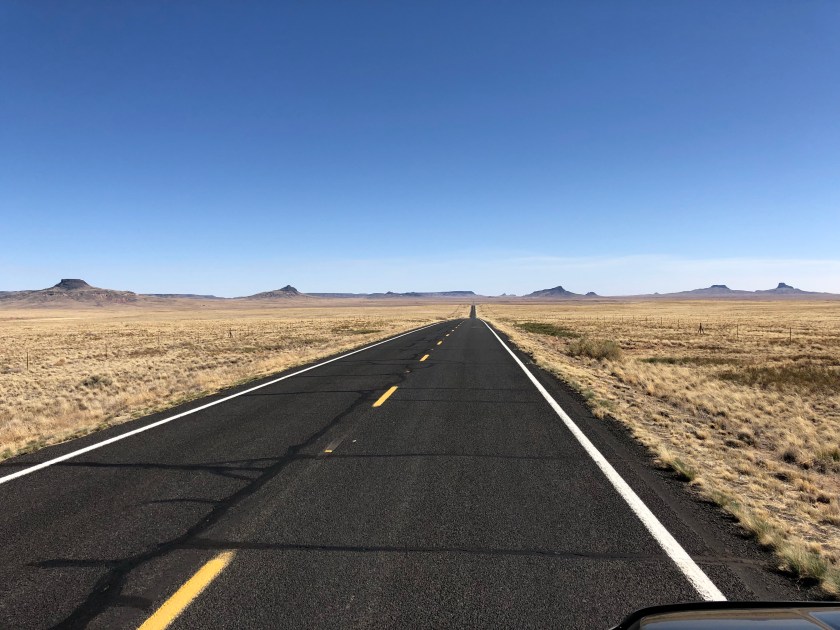
The pic of the arrow straight desert highway is approaching the Hopi Reservation. I clocked that laser straight stretch of road, 30 miles! It can be a bit hypnotic driving these long stretches were you can see your journey laid out out in front of you disappearing into a mirage.

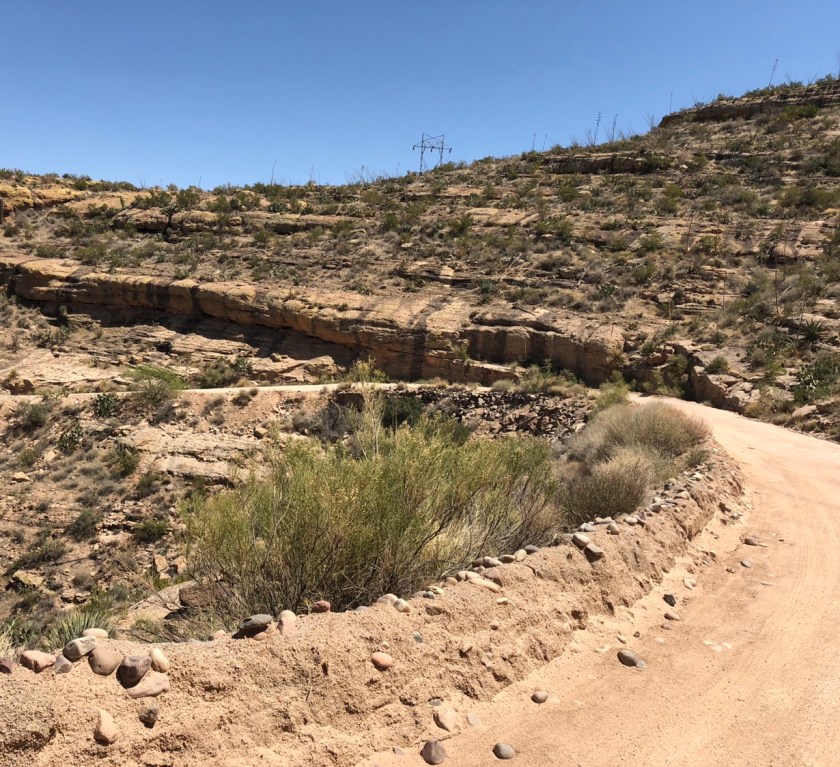

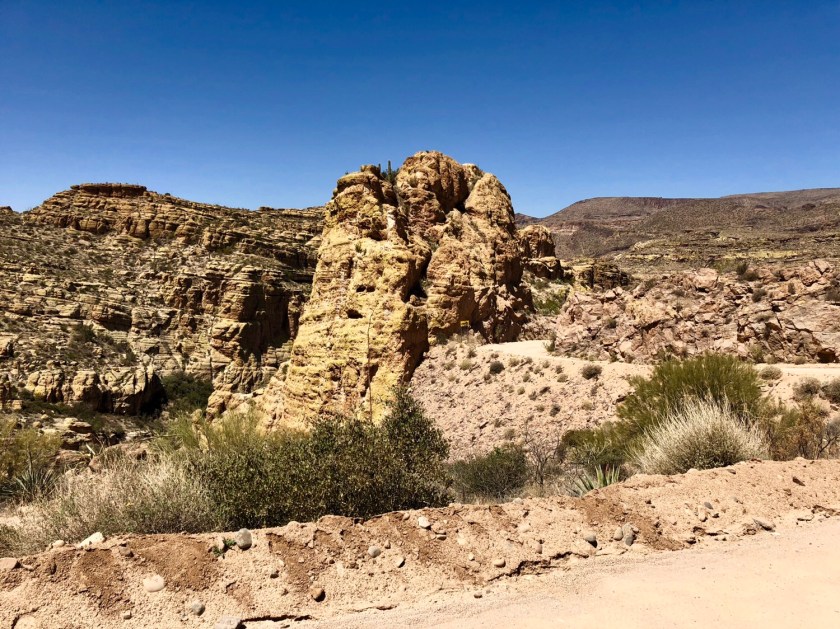
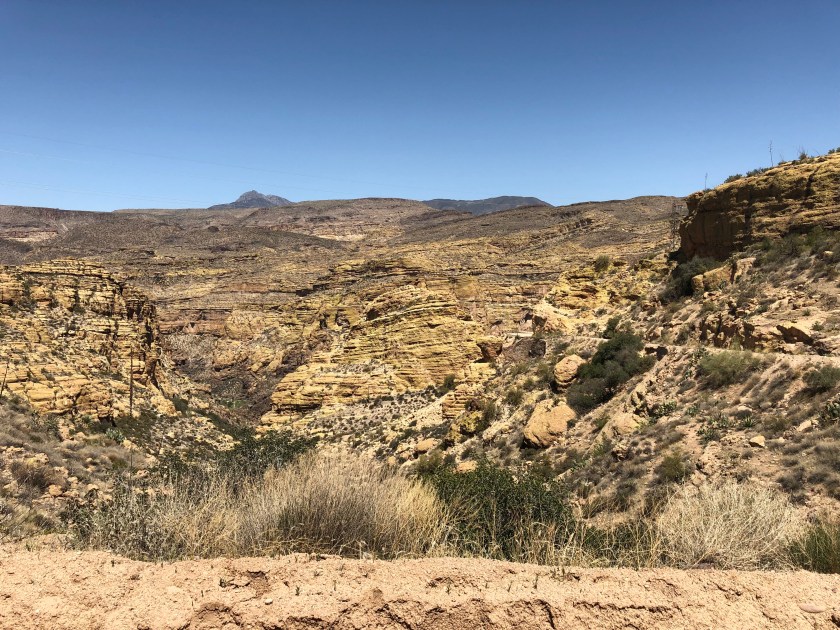
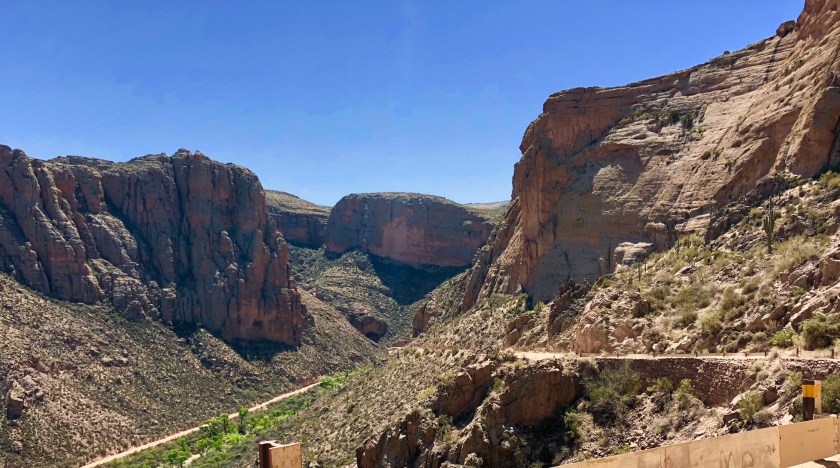








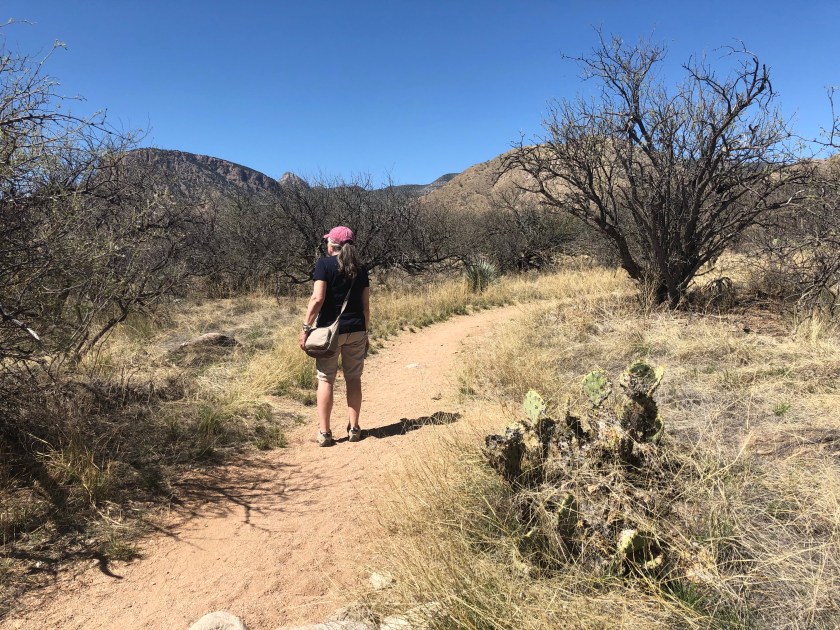

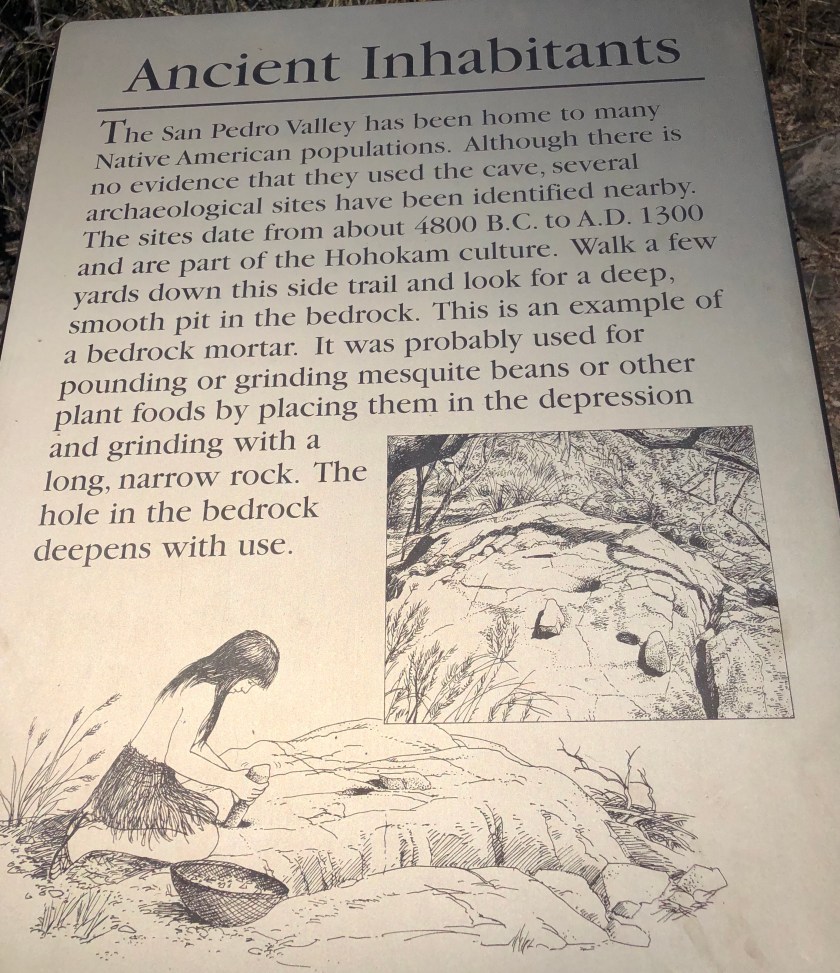
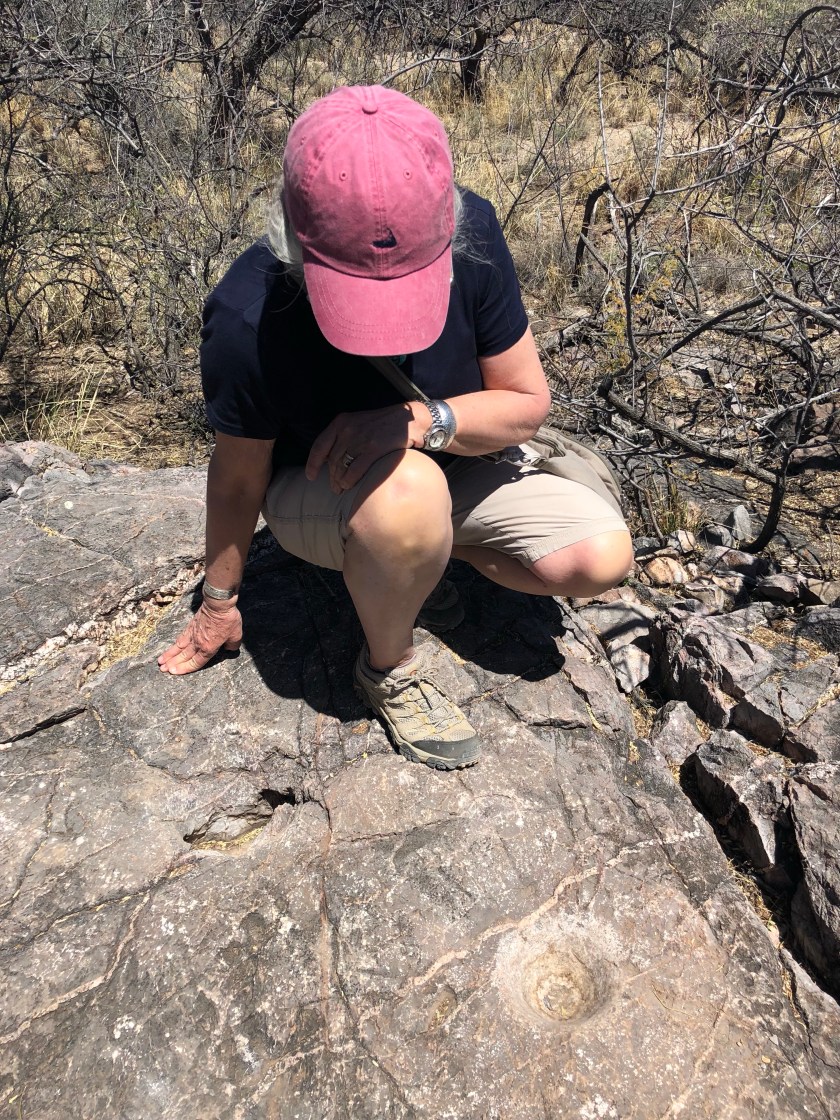
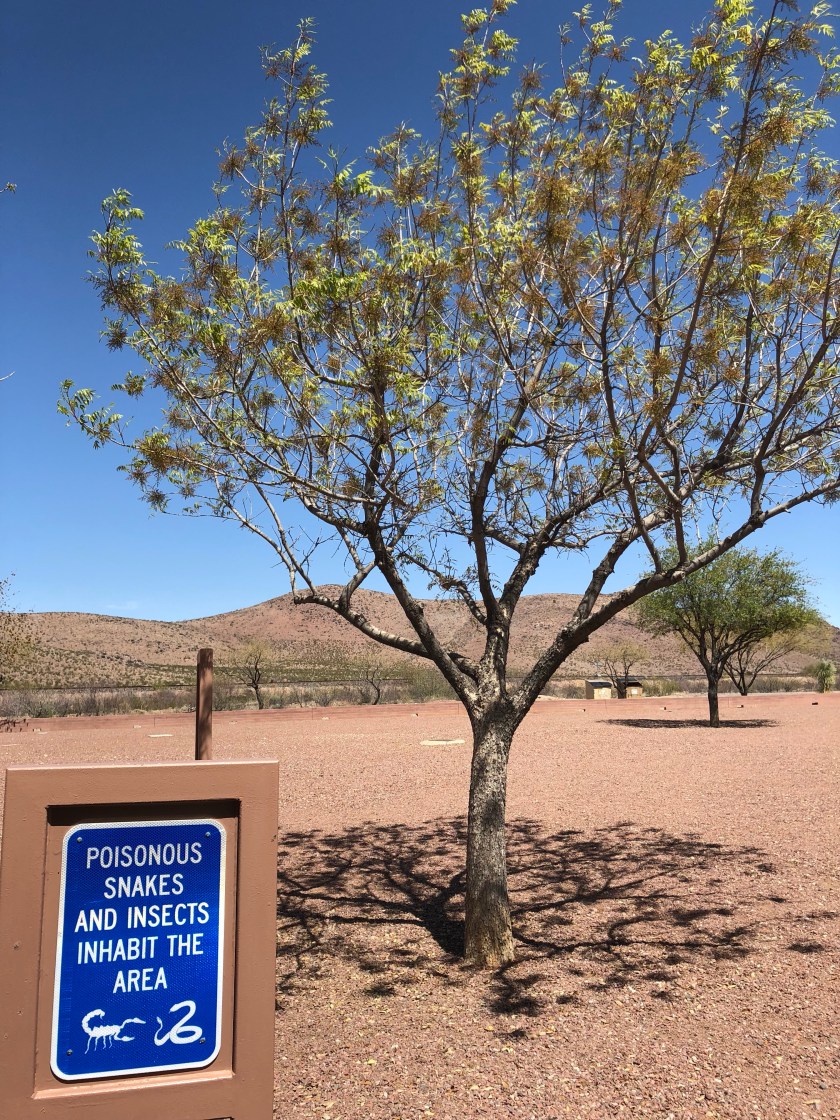 every vehicle is stopped and surrounded by several armed Border Patrol agents wearing body armor. Dogs carefully circled my truck sniffing as nervous agents watched. They are determined to catch those who made it across the border a few miles South. Our Airbnb host said the Cartel controls the Mexican side of the border here. The whole scene is deadly serious, this is not the Canadian border.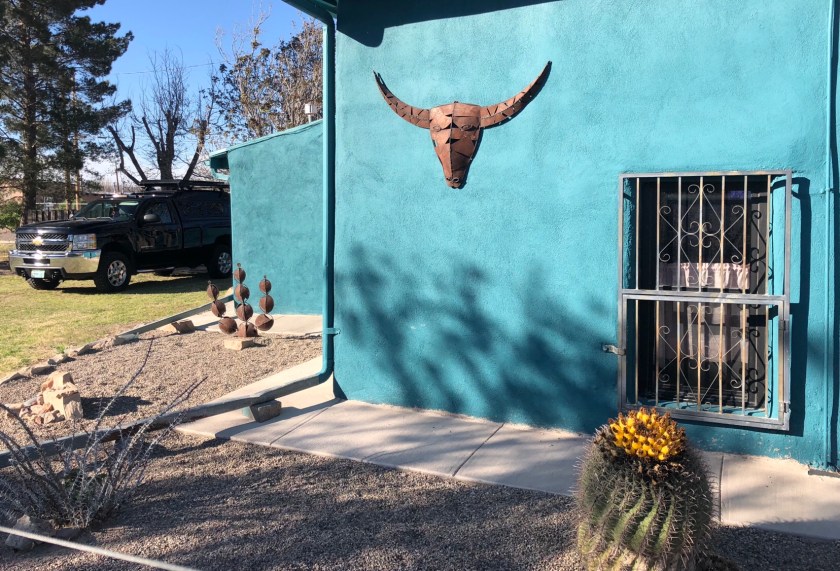

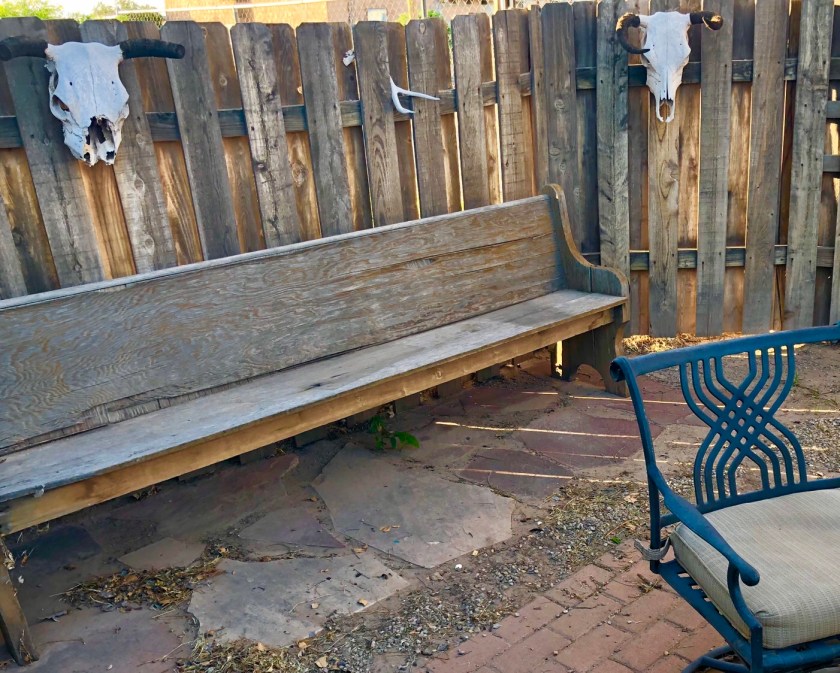
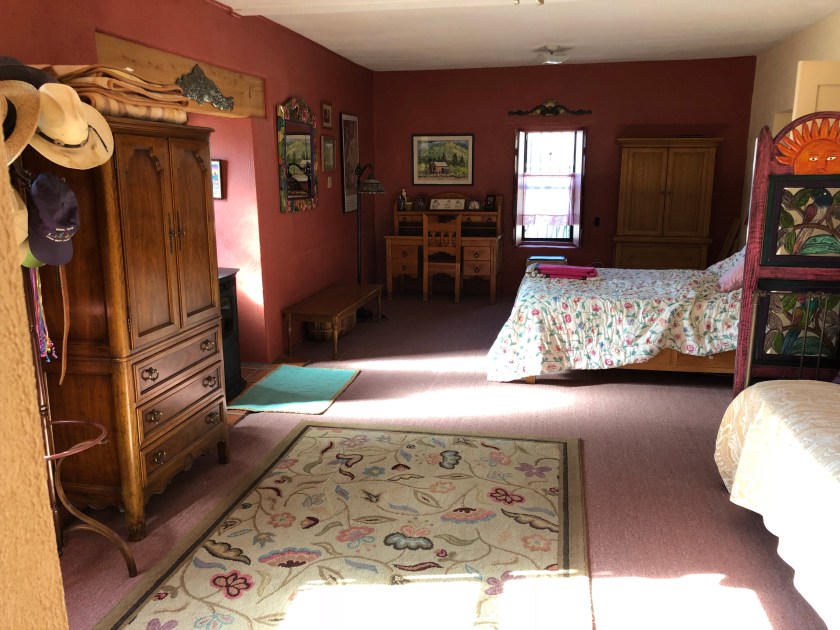
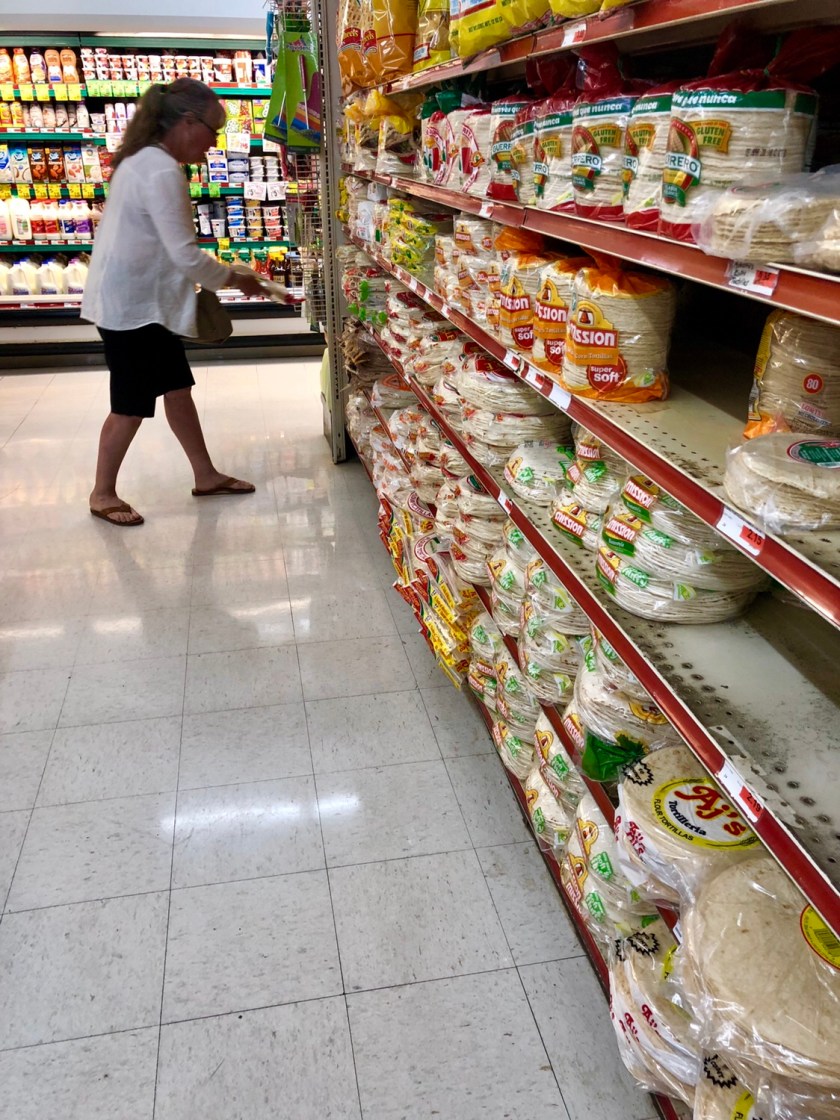


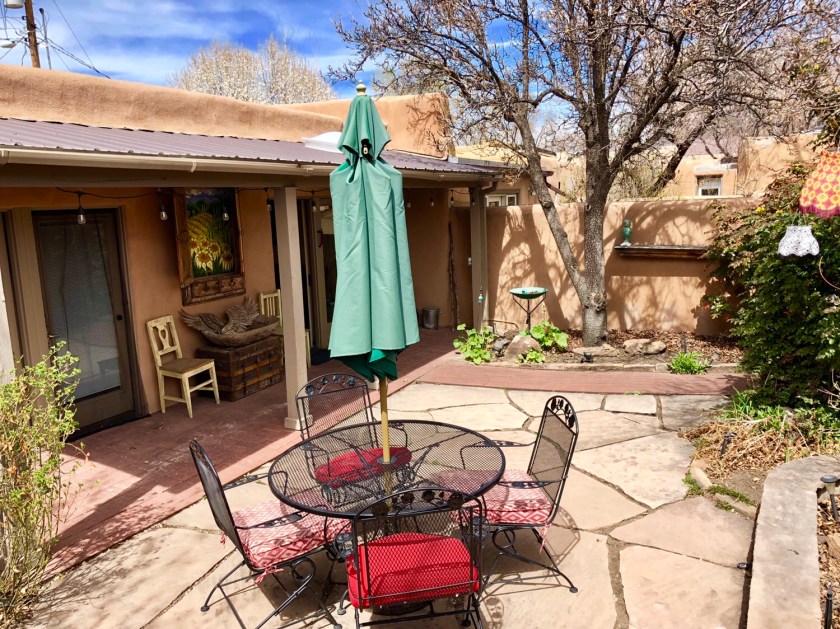
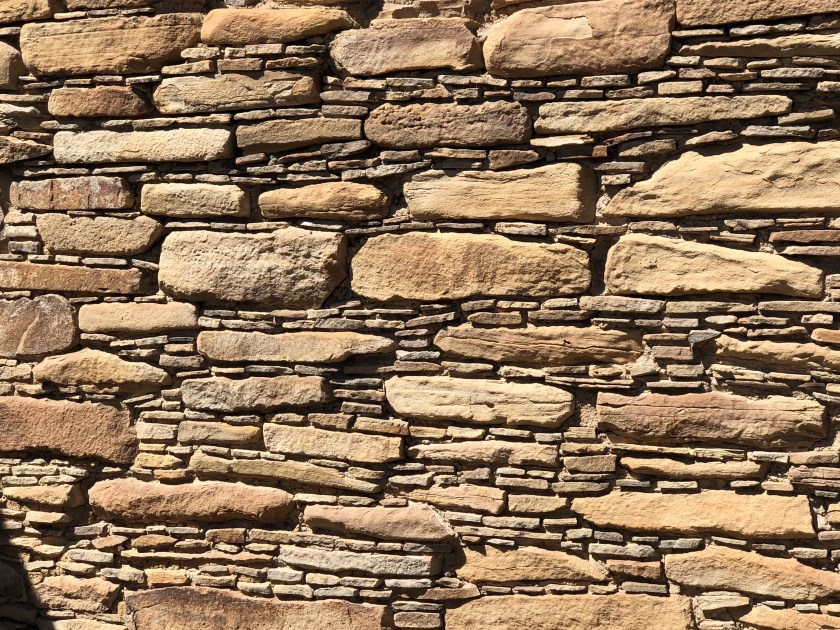
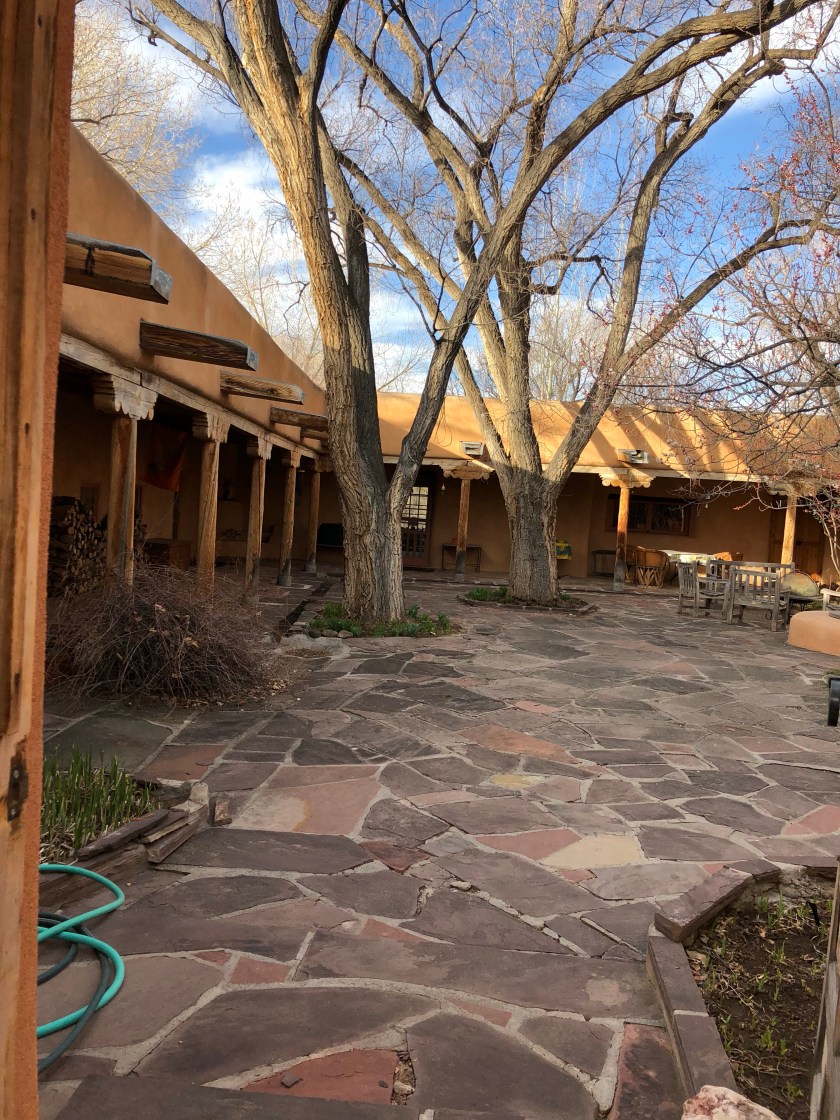
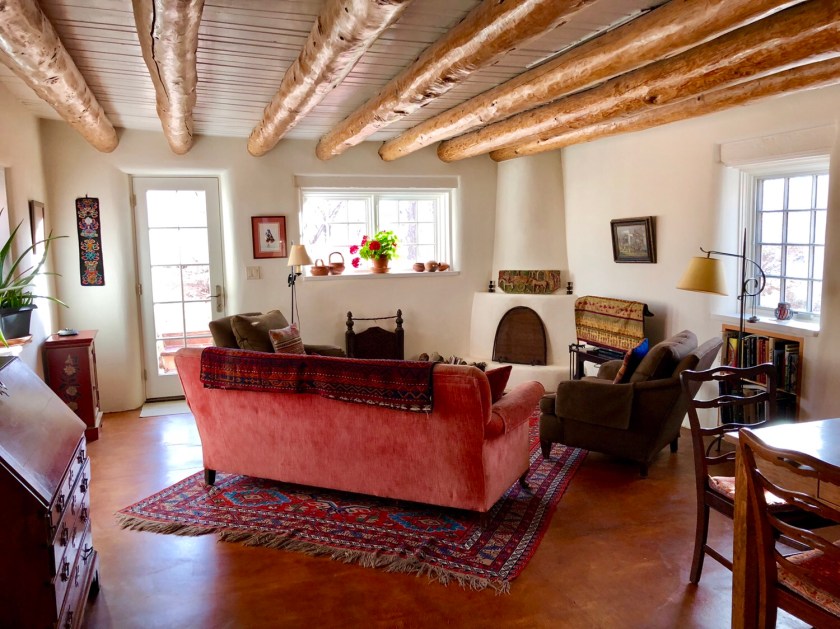
 and they tell us cool in the summer. The structures would never survive our Vermont winters and wet summers.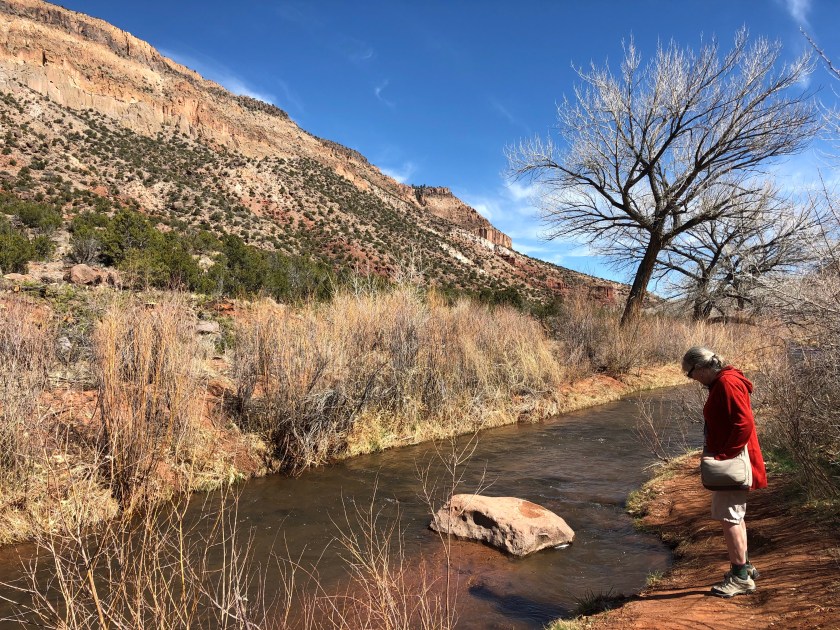

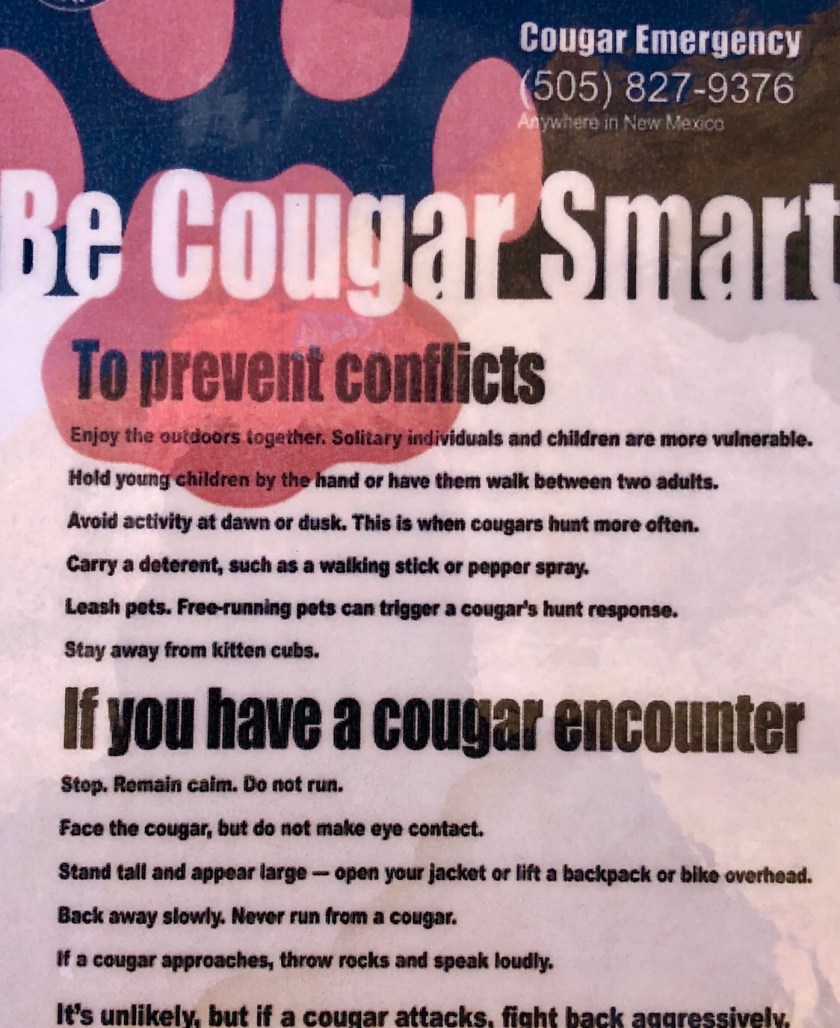

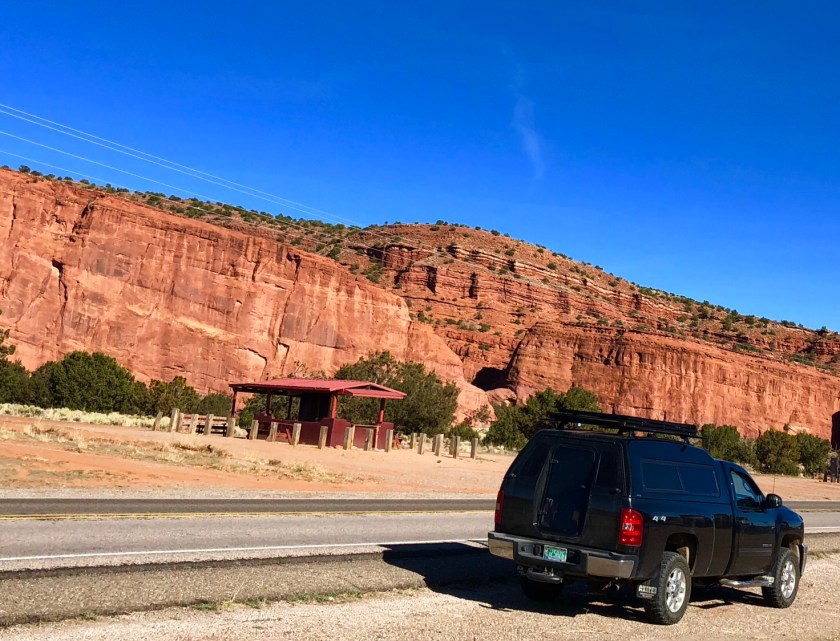
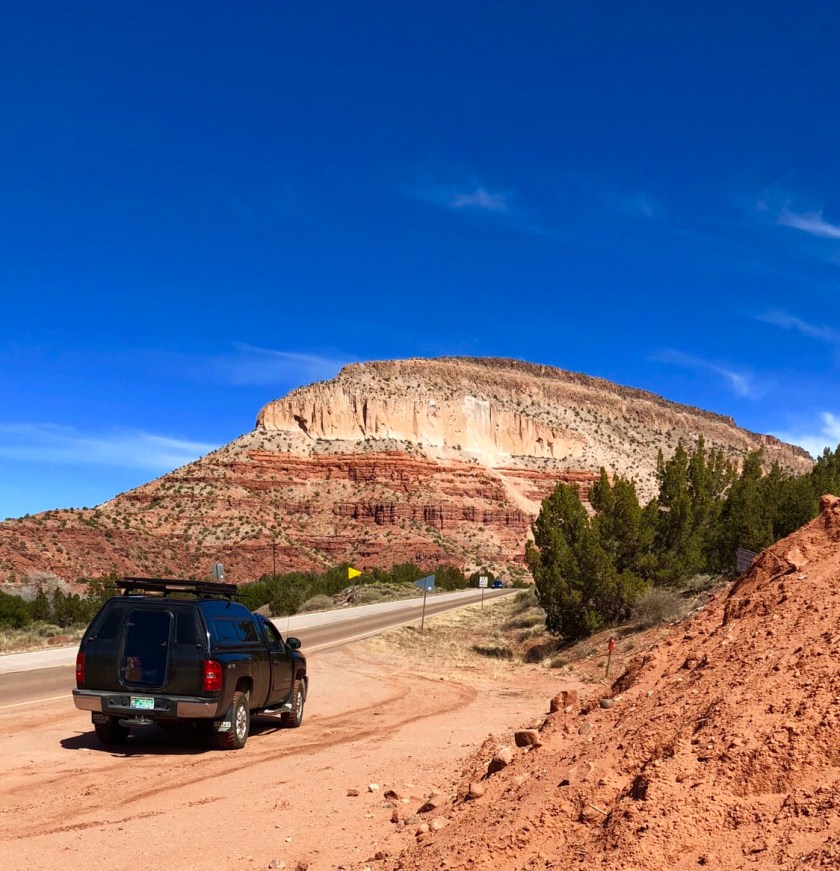
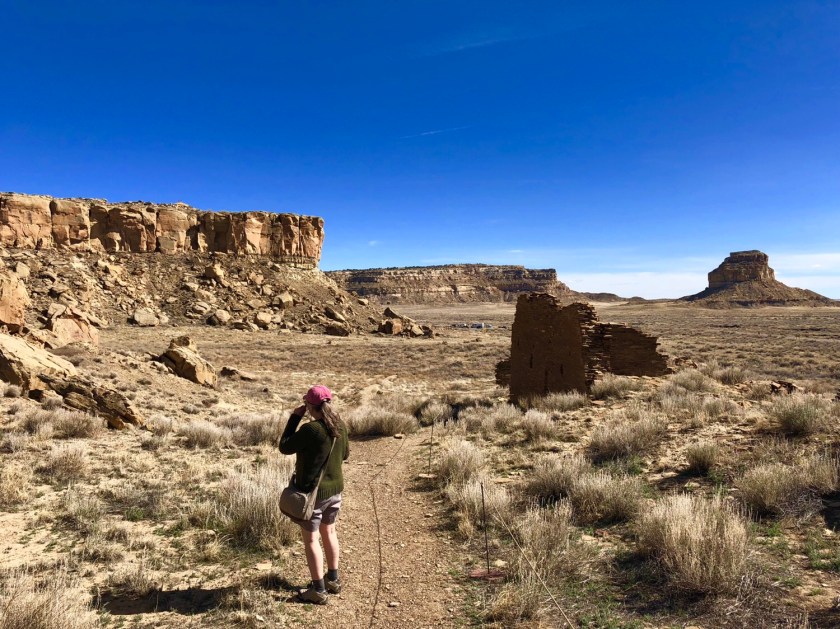

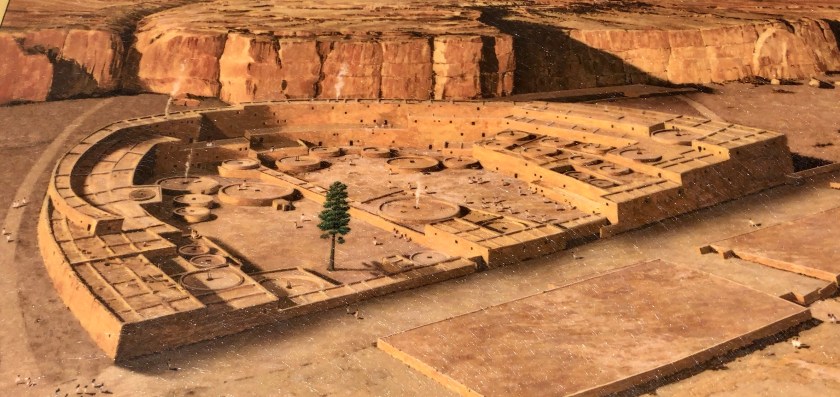


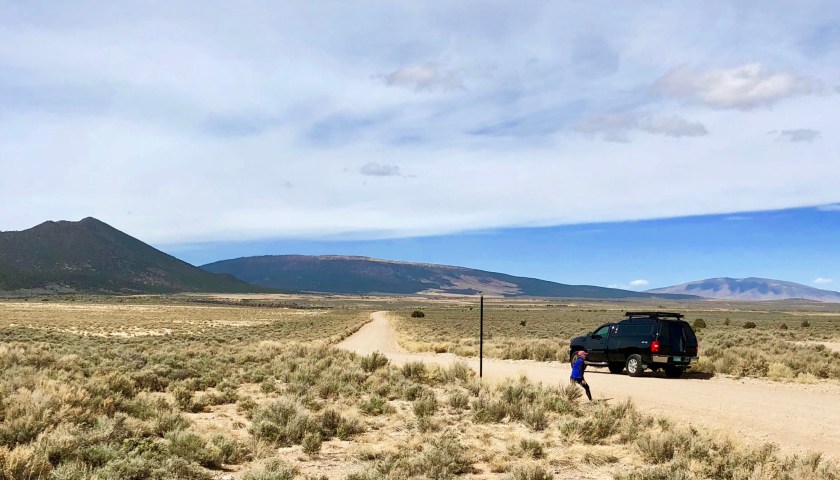
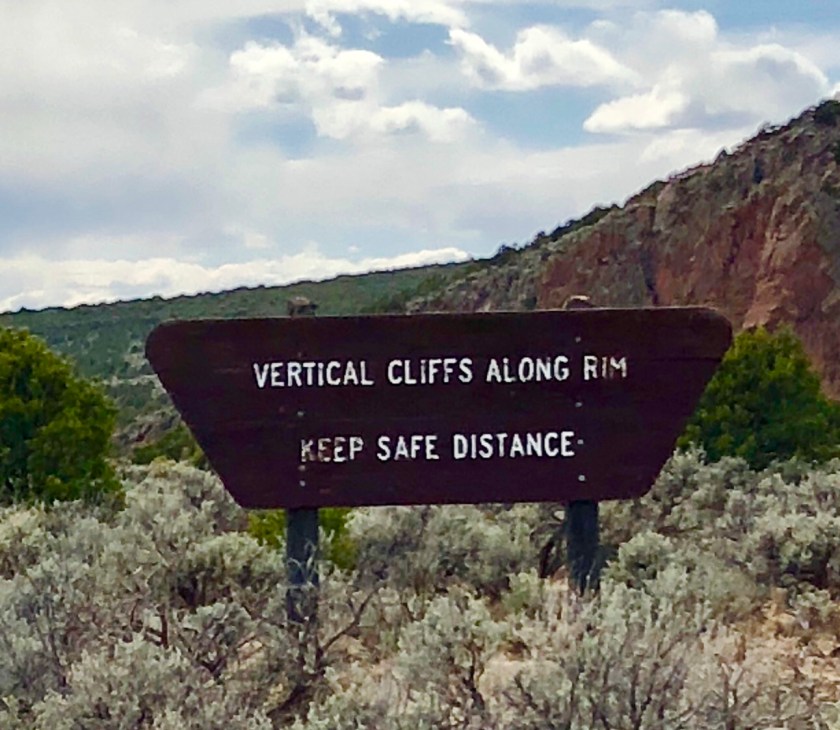
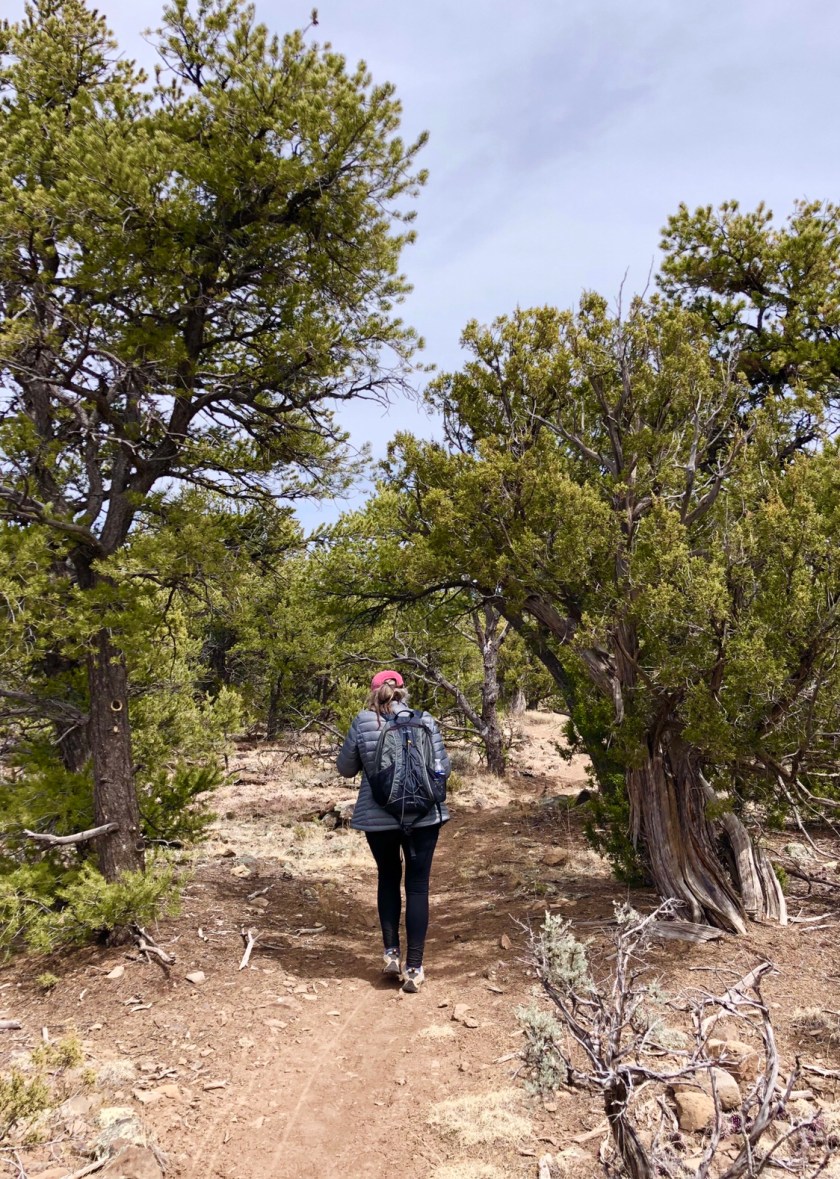


 approached the 800 foot deep canyon thru an ancient Pinion Pine and Juniper Forrest, the stunted trees are over a 1000 years old. These old survivors are clinging to the thin soil, with little water and harsh conditions in this high altitude desert climate . The path is a major game trail, lots of prints and numerous piles of bear droppings which Karen found disconcerting. The bears had been eating Pine nuts. We carefully avoided logs/brush/ rock crevices which could hide Rattle snakes. We saw no creatures . The canyon rim trail was a bit precarious, not for the faint of heart, a slip could end poorly. The views were breathtaking , especially where the Red River joins the Rio Grande, The convergence swells into a big Rio Grande, hard to believe not a drop reaches the ocean, all the water used in irrigation. The climb up and out of the canyon was tough in the high altitude thin air. It was a great day.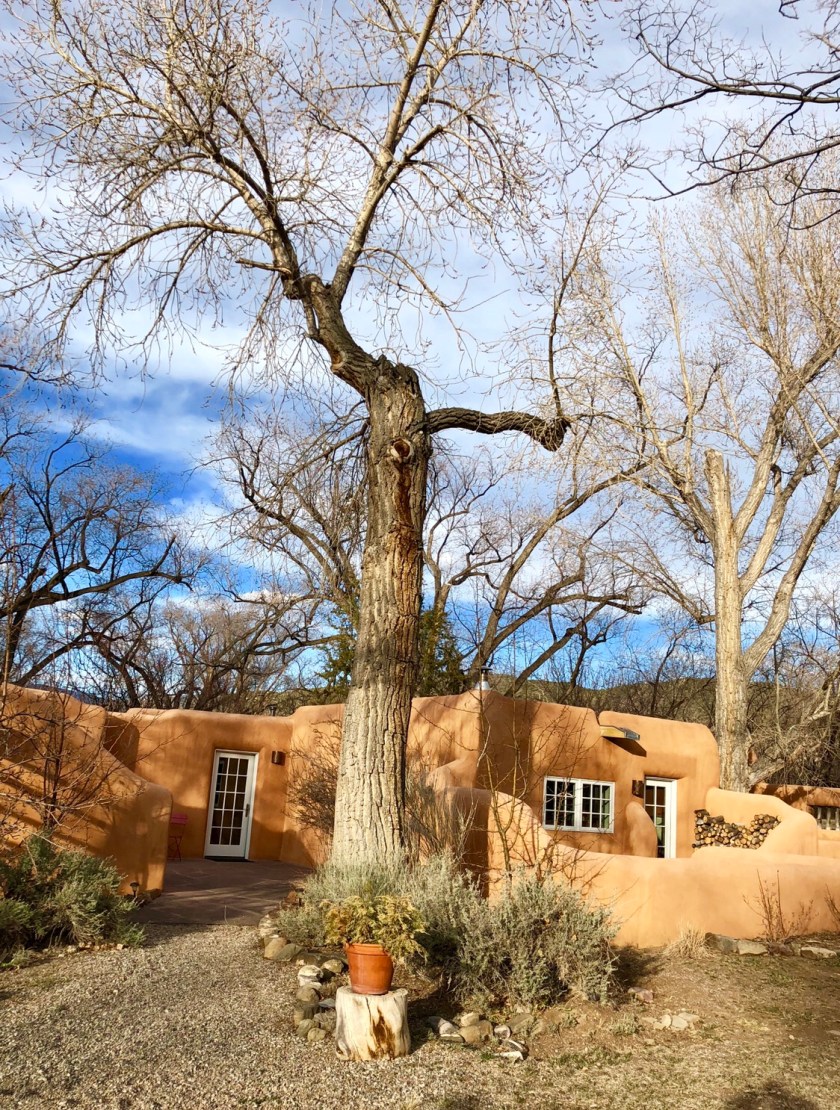

 Philonthego.com